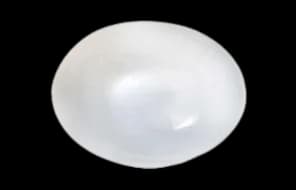
Sri Lanka Moonstone
Sri Lanka Moonstone is prized for its translucent body and luminous blue adularescence. Its distinctive glow, Sri Lankan origin, and cabochon-friendly beauty make it a captivating jewelry gemstone.
Sri Lanka Moonstone is a gem-quality moonstone associated with the island’s renowned gem deposits, particularly the historic Meetiyagoda deposit in southern Sri Lanka. Moonstone belongs to the feldspar group and is commonly described in gemology as an orthoclase-rich feldspar with microscopic intergrowths of orthoclase and albite. These internal layers interact with light to produce the characteristic floating sheen known as adularescence. Sri Lankan material is especially admired when it has a near-colorless to translucent body and a strong blue sheen. The Meetiyagoda moonstone deposit is documented as an important Sri Lankan pegmatite-related deposit. Moonstone forms through geological processes involving feldspar crystallization and subsequent separation or intergrowth of feldspar components. Its chemical composition is commonly represented by KAlSi3O8 for orthoclase-rich moonstone, although natural moonstone can show compositional complexity because of its feldspar intergrowths. It has a Mohs hardness of 6.0–6.5, a refractive index of approximately 1.518–1.526, specific gravity around 2.58, a monoclinic crystal system, and vitreous to pearly luster. The most desirable appearance is generally a clean, nearly colorless or translucent body with a vivid, mobile blue sheen. Gray and white bodycolors also occur. Adularescence is the defining visual feature: the glow appears to move across the stone as its viewing angle changes. Historically, Sri Lanka has been one of the world’s important sources of colored gemstones, and Meetiyagoda is particularly associated with fine moonstone. Today, Sri Lanka Moonstone is commonly fashioned into cabochons, where the curved surface helps display its optical effect, and is used in rings, pendants, earrings, bracelets, and statement jewelry. Buyers value natural Sri Lanka Moonstone for its distinctive blue adularescence, provenance, individuality, and connection to one of the world’s historic gem-producing regions.
- Mineral Family
- Feldspar
- Chemical Formula
- KAlSi3O8
- Mohs Hardness
- 6.0 - 6.5
- Refractive Index
- 1.518 - 1.526
- Specific Gravity
- 2.58
- Cleavage
- Perfect in two directions
- Crystal System
- Monoclinic
- Luster
- Pearly
- Color Range
- White, Gray, Blue
When buying Sri Lanka Moonstone, focus first on the quality and visibility of its adularescence rather than relying only on the name of the origin. Color and body transparency are important: highly attractive material often has a relatively clean, translucent to nearly transparent appearance with a strong blue sheen. The sheen should be bright, mobile, and visible across a useful range of viewing angles. Clarity also matters because excessive fractures and inclusions can reduce transparency and interfere with the optical effect, although some internal features are natural to moonstone. Cut is particularly important. Cabochons are the traditional choice because their curved surfaces maximize the appearance of the sheen; a well-proportioned cabochon generally displays the effect more effectively than a very flat one. Carat weight influences price, but quality, optical performance, clarity, and overall beauty can be more important than size alone. Origin can add desirability, especially when credible documentation supports Sri Lankan provenance, but origin should not substitute for evaluating the actual gem. Ask whether the stone is natural and whether any treatments have been applied. Natural moonstone should be distinguished from imitations and other feldspars sold under misleading trade descriptions. Lab-created or synthetic material should be clearly disclosed by the seller if offered. For higher-value purchases, an independent gemological laboratory report can provide useful confirmation of identity, natural status, detectable treatments, and sometimes geographic origin. Authenticity is best assessed through professional gemological testing rather than appearance alone. Price depends on the strength and quality of the blue adularescence, bodycolor, transparency, clarity, cut, carat weight, provenance, treatment status, and overall market demand. For buyers looking to buy Sri Lanka Moonstone online, request clear photographs or video taken from multiple angles, treatment disclosure, accurate measurements, carat weight, and a laboratory report when appropriate.
Sri Lanka Moonstone requires thoughtful care because its Mohs hardness of 6.0–6.5 makes it more vulnerable to scratches than harder jewelry gemstones. Clean it with lukewarm water, a small amount of mild soap, and a soft cloth or very soft brush. Rinse thoroughly and dry gently. Avoid abrasive cleaners, harsh chemicals, steam cleaning, and ultrasonic cleaning unless a qualified gem professional has confirmed that the particular stone and its condition are suitable. Store Sri Lanka Moonstone separately from harder gemstones such as sapphire, ruby, and diamond to reduce scratching. A soft-lined jewelry pouch or compartment is ideal. Avoid prolonged exposure to situations where the stone may receive hard knocks or sharp impacts, particularly around its edges or exposed cabochon surface. For everyday jewelry, pendants and earrings are generally less exposed to impact than rings. Remove moonstone jewelry before strenuous activities, household cleaning, or situations where it could be struck. Periodically inspect the setting of rings and other mounted pieces to ensure the gemstone remains secure.
Sri Lanka Moonstone is a gem-quality moonstone associated with the island’s renowned gem deposits, particularly the historic Meetiyagoda deposit in southern Sri Lanka. Moonstone belongs to the feldspar group and is commonly described in gemology as an orthoclase-rich feldspar with microscopic intergrowths of orthoclase and albite. These internal layers interact with light to produce the characteristic floating sheen known as adularescence. Sri Lankan material is especially admired when it has a near-colorless to translucent body and a strong blue sheen. The Meetiyagoda moonstone deposit is documented as an important Sri Lankan pegmatite-related deposit. Moonstone forms through geological processes involving feldspar crystallization and subsequent separation or intergrowth of feldspar components. Its chemical composition is commonly represented by KAlSi3O8 for orthoclase-rich moonstone, although natural moonstone can show compositional complexity because of its feldspar intergrowths. It has a Mohs hardness of 6.0–6.5, a refractive index of approximately 1.518–1.526, specific gravity around 2.58, a monoclinic crystal system, and vitreous to pearly luster. The most desirable appearance is generally a clean, nearly colorless or translucent body with a vivid, mobile blue sheen. Gray and white bodycolors also occur. Adularescence is the defining visual feature: the glow appears to move across the stone as its viewing angle changes. Historically, Sri Lanka has been one of the world’s important sources of colored gemstones, and Meetiyagoda is particularly associated with fine moonstone. Today, Sri Lanka Moonstone is commonly fashioned into cabochons, where the curved surface helps display its optical effect, and is used in rings, pendants, earrings, bracelets, and statement jewelry. Buyers value natural Sri Lanka Moonstone for its distinctive blue adularescence, provenance, individuality, and connection to one of the world’s historic gem-producing regions.
- Mineral Family
- Feldspar
- Chemical Formula
- KAlSi3O8
- Mohs Hardness
- 6.0 - 6.5
- Refractive Index
- 1.518 - 1.526
- Specific Gravity
- 2.58
- Cleavage
- Perfect in two directions
- Crystal System
- Monoclinic
- Luster
- Pearly
- Color Range
- White, Gray, Blue
When buying Sri Lanka Moonstone, focus first on the quality and visibility of its adularescence rather than relying only on the name of the origin. Color and body transparency are important: highly attractive material often has a relatively clean, translucent to nearly transparent appearance with a strong blue sheen. The sheen should be bright, mobile, and visible across a useful range of viewing angles. Clarity also matters because excessive fractures and inclusions can reduce transparency and interfere with the optical effect, although some internal features are natural to moonstone. Cut is particularly important. Cabochons are the traditional choice because their curved surfaces maximize the appearance of the sheen; a well-proportioned cabochon generally displays the effect more effectively than a very flat one. Carat weight influences price, but quality, optical performance, clarity, and overall beauty can be more important than size alone. Origin can add desirability, especially when credible documentation supports Sri Lankan provenance, but origin should not substitute for evaluating the actual gem. Ask whether the stone is natural and whether any treatments have been applied. Natural moonstone should be distinguished from imitations and other feldspars sold under misleading trade descriptions. Lab-created or synthetic material should be clearly disclosed by the seller if offered. For higher-value purchases, an independent gemological laboratory report can provide useful confirmation of identity, natural status, detectable treatments, and sometimes geographic origin. Authenticity is best assessed through professional gemological testing rather than appearance alone. Price depends on the strength and quality of the blue adularescence, bodycolor, transparency, clarity, cut, carat weight, provenance, treatment status, and overall market demand. For buyers looking to buy Sri Lanka Moonstone online, request clear photographs or video taken from multiple angles, treatment disclosure, accurate measurements, carat weight, and a laboratory report when appropriate.
Sri Lanka Moonstone requires thoughtful care because its Mohs hardness of 6.0–6.5 makes it more vulnerable to scratches than harder jewelry gemstones. Clean it with lukewarm water, a small amount of mild soap, and a soft cloth or very soft brush. Rinse thoroughly and dry gently. Avoid abrasive cleaners, harsh chemicals, steam cleaning, and ultrasonic cleaning unless a qualified gem professional has confirmed that the particular stone and its condition are suitable. Store Sri Lanka Moonstone separately from harder gemstones such as sapphire, ruby, and diamond to reduce scratching. A soft-lined jewelry pouch or compartment is ideal. Avoid prolonged exposure to situations where the stone may receive hard knocks or sharp impacts, particularly around its edges or exposed cabochon surface. For everyday jewelry, pendants and earrings are generally less exposed to impact than rings. Remove moonstone jewelry before strenuous activities, household cleaning, or situations where it could be struck. Periodically inspect the setting of rings and other mounted pieces to ensure the gemstone remains secure.
Sri Lanka Moonstone for Sale
No gems found
Try broadening your search or adjusting your filters.
Have a gem of your own? List it free - no fees