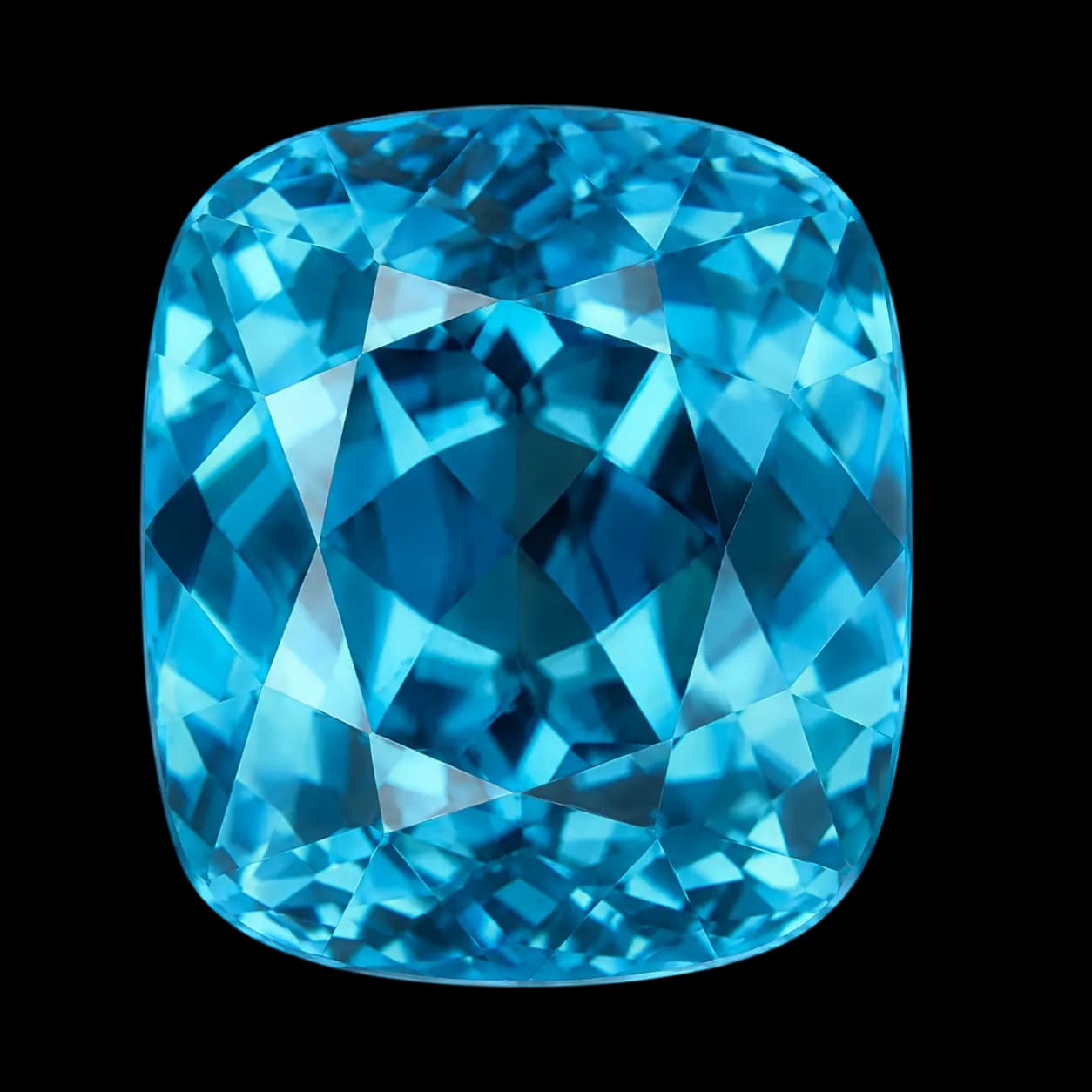
Zircon
Zircon is a naturally brilliant gemstone admired for its exceptional fire, rich colors, and diamond-like sparkle. With a history spanning billions of years, natural zircon remains a fascinating choice for fine jewelry collectors.
Zircon is a naturally occurring gemstone from the zircon mineral group and is one of the oldest minerals found on Earth. It is valued for its remarkable brilliance, strong dispersion, and wide range of natural colors. Despite its similar name, zircon is completely different from cubic zirconia, which is a synthetic diamond simulant.
Zircon belongs to the nesosilicate mineral family and is composed of zirconium silicate (ZrSiO4). It forms in igneous and metamorphic rocks through geological processes that can preserve crystals for billions of years. Its tetragonal crystal structure contributes to its distinctive optical properties and impressive sparkle.
Natural zircon is available in many colors including blue, red, orange, yellow, green, brown, and colorless varieties. Blue zircon is one of the most popular choices in modern jewelry, while vivid red and orange zircon varieties are highly appreciated by collectors. Colorless zircon is admired for its bright appearance and strong brilliance.
Important zircon sources include Sri Lanka, Cambodia, Myanmar, Vietnam, Tanzania, and Australia. Cambodian zircon is particularly known for producing attractive blue stones through heat treatment, while Sri Lanka is recognized for fine-quality zircon in various natural colors.
Throughout history, zircon has been used as a decorative gemstone and valued for its beauty and durability. Today, zircon jewelry including rings, earrings, pendants, and bracelets is appreciated by buyers seeking a unique gemstone with exceptional sparkle and character.
Collectors and jewelry enthusiasts value zircon because of its natural origin, impressive optical performance, fascinating geological history, and availability in a variety of attractive colors.
- Mineral Family
- Zircon
- Chemical Formula
- ZrSiO4
- Mohs Hardness
- 6.5 - 7.5
- Refractive Index
- 1.810 - 2.024
- Specific Gravity
- 3.90 - 4.73
- Cleavage
- Indistinct
- Crystal System
- Tetragonal
- Luster
- Adamantine
- Color Range
- Blue, Red, Orange, Yellow, Green, White
When choosing a natural zircon gemstone, several factors influence beauty, quality, and value.
Color: Color is one of the most important factors in zircon quality. Blue zircon is among the most popular varieties, especially when it displays a vivid and attractive blue tone. Rare red, orange, and naturally intense colored zircons can command higher values among collectors.
Clarity: Fine-quality zircon is usually transparent with good clarity. Eye-clean stones with excellent transparency and minimal visible inclusions are generally preferred for jewelry use.
Cut: A skilled cut enhances zircon’s natural brilliance and fire. Popular cuts include oval, round, cushion, and pear shapes. Well-proportioned faceting helps maximize sparkle and light reflection.
Carat Weight: Larger zircon gemstones with strong color and clarity are less common and may have higher value. The overall quality combination is more important than size alone.
Origin: Zircon from locations such as Sri Lanka and Cambodia is highly regarded in the gemstone market. However, quality characteristics such as color, clarity, and cut remain the primary factors in evaluation.
Treatments: Many blue zircons available in the market are heat treated to enhance their color. Heat treatment is an accepted gemstone practice when properly disclosed. Untreated zircon with attractive natural colors is especially valued by collectors.
Natural vs Lab-Grown: Natural zircon forms through geological processes over millions of years. It should not be confused with cubic zirconia, which is a laboratory-created material. Buyers should always confirm whether a gemstone is natural through reliable documentation.
Certification and Authenticity: A reputable gemstone certificate from a recognized gemological laboratory can provide information about zircon variety, treatments, and authenticity. Buyers should choose trusted sellers when purchasing natural zircon online.
Zircon jewelry can maintain its brilliance with proper care and handling.
Clean zircon using warm water, mild soap, and a soft brush or cloth. Avoid harsh chemicals, ultrasonic cleaners, and sudden temperature changes, especially for treated stones.
Store zircon jewelry separately from harder gemstones such as diamonds and sapphires to prevent scratches. Keep pieces in a soft pouch or lined jewelry box when not being worn.
Although zircon has good durability, its hardness of 6.5-7.5 on the Mohs scale means it should be protected from strong impacts and rough everyday activities. Rings worn daily should have secure settings and occasional professional inspections are recommended.
Zircon is a naturally occurring gemstone from the zircon mineral group and is one of the oldest minerals found on Earth. It is valued for its remarkable brilliance, strong dispersion, and wide range of natural colors. Despite its similar name, zircon is completely different from cubic zirconia, which is a synthetic diamond simulant.
Zircon belongs to the nesosilicate mineral family and is composed of zirconium silicate (ZrSiO4). It forms in igneous and metamorphic rocks through geological processes that can preserve crystals for billions of years. Its tetragonal crystal structure contributes to its distinctive optical properties and impressive sparkle.
Natural zircon is available in many colors including blue, red, orange, yellow, green, brown, and colorless varieties. Blue zircon is one of the most popular choices in modern jewelry, while vivid red and orange zircon varieties are highly appreciated by collectors. Colorless zircon is admired for its bright appearance and strong brilliance.
Important zircon sources include Sri Lanka, Cambodia, Myanmar, Vietnam, Tanzania, and Australia. Cambodian zircon is particularly known for producing attractive blue stones through heat treatment, while Sri Lanka is recognized for fine-quality zircon in various natural colors.
Throughout history, zircon has been used as a decorative gemstone and valued for its beauty and durability. Today, zircon jewelry including rings, earrings, pendants, and bracelets is appreciated by buyers seeking a unique gemstone with exceptional sparkle and character.
Collectors and jewelry enthusiasts value zircon because of its natural origin, impressive optical performance, fascinating geological history, and availability in a variety of attractive colors.
- Mineral Family
- Zircon
- Chemical Formula
- ZrSiO4
- Mohs Hardness
- 6.5 - 7.5
- Refractive Index
- 1.810 - 2.024
- Specific Gravity
- 3.90 - 4.73
- Cleavage
- Indistinct
- Crystal System
- Tetragonal
- Luster
- Adamantine
- Color Range
- Blue, Red, Orange, Yellow, Green, White
When choosing a natural zircon gemstone, several factors influence beauty, quality, and value.
Color: Color is one of the most important factors in zircon quality. Blue zircon is among the most popular varieties, especially when it displays a vivid and attractive blue tone. Rare red, orange, and naturally intense colored zircons can command higher values among collectors.
Clarity: Fine-quality zircon is usually transparent with good clarity. Eye-clean stones with excellent transparency and minimal visible inclusions are generally preferred for jewelry use.
Cut: A skilled cut enhances zircon’s natural brilliance and fire. Popular cuts include oval, round, cushion, and pear shapes. Well-proportioned faceting helps maximize sparkle and light reflection.
Carat Weight: Larger zircon gemstones with strong color and clarity are less common and may have higher value. The overall quality combination is more important than size alone.
Origin: Zircon from locations such as Sri Lanka and Cambodia is highly regarded in the gemstone market. However, quality characteristics such as color, clarity, and cut remain the primary factors in evaluation.
Treatments: Many blue zircons available in the market are heat treated to enhance their color. Heat treatment is an accepted gemstone practice when properly disclosed. Untreated zircon with attractive natural colors is especially valued by collectors.
Natural vs Lab-Grown: Natural zircon forms through geological processes over millions of years. It should not be confused with cubic zirconia, which is a laboratory-created material. Buyers should always confirm whether a gemstone is natural through reliable documentation.
Certification and Authenticity: A reputable gemstone certificate from a recognized gemological laboratory can provide information about zircon variety, treatments, and authenticity. Buyers should choose trusted sellers when purchasing natural zircon online.
Zircon jewelry can maintain its brilliance with proper care and handling.
Clean zircon using warm water, mild soap, and a soft brush or cloth. Avoid harsh chemicals, ultrasonic cleaners, and sudden temperature changes, especially for treated stones.
Store zircon jewelry separately from harder gemstones such as diamonds and sapphires to prevent scratches. Keep pieces in a soft pouch or lined jewelry box when not being worn.
Although zircon has good durability, its hardness of 6.5-7.5 on the Mohs scale means it should be protected from strong impacts and rough everyday activities. Rings worn daily should have secure settings and occasional professional inspections are recommended.
