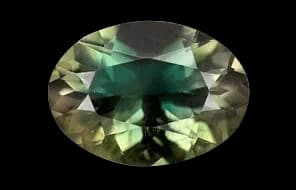
Andesine Labradorite
Andesine Labradorite is a captivating plagioclase feldspar prized for warm body colors, flashes of color and distinctive optical character in jewelry and collector gems.
Andesine Labradorite is a trade and gemological name used for plagioclase feldspar material compositionally spanning the andesine-labradorite range. It belongs to the feldspar mineral family, one of the most abundant mineral groups in Earth's crust. Its chemistry varies along the plagioclase solid-solution series between sodium-rich albite and calcium-rich anorthite, so the composition is not represented by one fixed end-member formula. The material commonly forms in igneous rocks as magma cools and feldspar crystals develop.
Gem-quality Andesine Labradorite typically has a Mohs hardness of about 6 to 6.5, a specific gravity around 2.68 to 2.72 and refractive indices generally within approximately 1.55 to 1.57, depending on composition. It has a triclinic crystal system, perfect cleavage in two directions and a vitreous to pearly luster. These properties make it attractive for jewelry, although its cleavage means it should be protected from sharp impacts.
Color is one of its strongest attractions. Stones may show gray, yellow, green, brown, orange or red body colors, while some labradorite-rich material displays blue, green, gold or multicolored iridescent flashes known as labradorescence. Copper-bearing labradorite from Oregon is especially well known as Oregon sunstone, where native copper inclusions can create aventurescence and attractive red-to-green color effects. Gem-quality feldspar has also been documented from localities including Oregon, Ethiopia, Tibet and Inner Mongolia.
Andesine Labradorite has a long history as an ornamental and gem material, while modern interest has grown because of its unusual colors and optical effects. It is used in rings, pendants, earrings, cabochons and collector specimens. Buyers value fine material for its natural color, attractive optical phenomena, transparency, cut quality and provenance. Because the market has included treated red feldspar, professional identification and treatment disclosure are particularly important when purchasing valuable stones.
- Mineral Family
- Feldspar
- Chemical Formula
- (Na,Ca)(Al,Si)4O8
- Mohs Hardness
- 6 - 6.5
- Refractive Index
- 1.55 - 1.57
- Specific Gravity
- 2.68 - 2.72
- Cleavage
- Perfect in two directions
- Crystal System
- Triclinic
- Luster
- Vitreous
- Color Range
- Orange, Red, Green, Yellow, Gray, Blue
When buying Andesine Labradorite, start with color and optical appeal. Strong, attractive body color and vivid natural flashes can increase desirability. In labradorite-rich material, look for broad, well-oriented areas of blue, green, gold or multicolored labradorescence. For transparent material, clarity and the visibility of attractive inclusions should be assessed together rather than assuming that every inclusion reduces value.
Cut has a major effect on appearance because orientation can determine how strongly color flashes are displayed. Well-proportioned faceted stones can show attractive brilliance, while cabochons are often selected to emphasize color phenomena. Carat weight matters, but color quality, optical effects, clarity, cut and overall appearance usually have a greater influence on value than size alone.
Origin can be important for collector material. Oregon is particularly notable for natural copper-bearing labradorite known as sunstone, while Ethiopian sunstone is another documented natural source. Claims of origin should be supported by credible documentation when provenance materially affects price.
Treatment disclosure is especially important with Andesine Labradorite. Copper diffusion has been documented in feldspar, including andesine and labradorite, to alter or intensify color. GIA research has specifically examined copper-diffused red feldspar and methods for distinguishing treated material. Buyers seeking natural-color stones should ask whether the gem has been treated and request independent laboratory documentation for significant purchases.
Andesine Labradorite is a natural mineral material rather than a commonly commercially produced lab-grown gemstone. A laboratory-grown or synthetic claim should therefore be clearly documented rather than assumed. For expensive stones, choose an established gemological laboratory report that identifies the material and, where relevant, discloses treatment and origin. Authenticity should be evaluated through professional gemological testing rather than appearance alone. Price is influenced by color, optical effects, transparency, clarity, cut, carat weight, origin, treatment status and the quality of available documentation.
Andesine Labradorite can be worn in jewelry, but its Mohs hardness of 6 to 6.5 and perfect cleavage make it more vulnerable to scratching, chipping and impact than harder gems such as sapphire or ruby. Use extra care with rings and bracelets that receive frequent knocks.
Clean the stone gently with lukewarm water, a small amount of mild soap and a soft cloth or soft brush. Rinse thoroughly and dry with a soft cloth. Avoid harsh chemicals, abrasive cleaners and sudden temperature changes. Because of its cleavage, avoid steam cleaning and ultrasonic cleaning unless a qualified gemologist has confirmed that the specific stone and setting can safely withstand the process.
Store Andesine Labradorite separately from harder gemstones to reduce scratching. A soft pouch or individual compartment is ideal. Protect faceted stones and cabochons from hard impacts, especially around facet edges and cleavage directions. If the stone has been treated, follow any additional care instructions provided by the gemological laboratory or jeweler.
Andesine Labradorite is a trade and gemological name used for plagioclase feldspar material compositionally spanning the andesine-labradorite range. It belongs to the feldspar mineral family, one of the most abundant mineral groups in Earth's crust. Its chemistry varies along the plagioclase solid-solution series between sodium-rich albite and calcium-rich anorthite, so the composition is not represented by one fixed end-member formula. The material commonly forms in igneous rocks as magma cools and feldspar crystals develop.
Gem-quality Andesine Labradorite typically has a Mohs hardness of about 6 to 6.5, a specific gravity around 2.68 to 2.72 and refractive indices generally within approximately 1.55 to 1.57, depending on composition. It has a triclinic crystal system, perfect cleavage in two directions and a vitreous to pearly luster. These properties make it attractive for jewelry, although its cleavage means it should be protected from sharp impacts.
Color is one of its strongest attractions. Stones may show gray, yellow, green, brown, orange or red body colors, while some labradorite-rich material displays blue, green, gold or multicolored iridescent flashes known as labradorescence. Copper-bearing labradorite from Oregon is especially well known as Oregon sunstone, where native copper inclusions can create aventurescence and attractive red-to-green color effects. Gem-quality feldspar has also been documented from localities including Oregon, Ethiopia, Tibet and Inner Mongolia.
Andesine Labradorite has a long history as an ornamental and gem material, while modern interest has grown because of its unusual colors and optical effects. It is used in rings, pendants, earrings, cabochons and collector specimens. Buyers value fine material for its natural color, attractive optical phenomena, transparency, cut quality and provenance. Because the market has included treated red feldspar, professional identification and treatment disclosure are particularly important when purchasing valuable stones.
- Mineral Family
- Feldspar
- Chemical Formula
- (Na,Ca)(Al,Si)4O8
- Mohs Hardness
- 6 - 6.5
- Refractive Index
- 1.55 - 1.57
- Specific Gravity
- 2.68 - 2.72
- Cleavage
- Perfect in two directions
- Crystal System
- Triclinic
- Luster
- Vitreous
- Color Range
- Orange, Red, Green, Yellow, Gray, Blue
When buying Andesine Labradorite, start with color and optical appeal. Strong, attractive body color and vivid natural flashes can increase desirability. In labradorite-rich material, look for broad, well-oriented areas of blue, green, gold or multicolored labradorescence. For transparent material, clarity and the visibility of attractive inclusions should be assessed together rather than assuming that every inclusion reduces value.
Cut has a major effect on appearance because orientation can determine how strongly color flashes are displayed. Well-proportioned faceted stones can show attractive brilliance, while cabochons are often selected to emphasize color phenomena. Carat weight matters, but color quality, optical effects, clarity, cut and overall appearance usually have a greater influence on value than size alone.
Origin can be important for collector material. Oregon is particularly notable for natural copper-bearing labradorite known as sunstone, while Ethiopian sunstone is another documented natural source. Claims of origin should be supported by credible documentation when provenance materially affects price.
Treatment disclosure is especially important with Andesine Labradorite. Copper diffusion has been documented in feldspar, including andesine and labradorite, to alter or intensify color. GIA research has specifically examined copper-diffused red feldspar and methods for distinguishing treated material. Buyers seeking natural-color stones should ask whether the gem has been treated and request independent laboratory documentation for significant purchases.
Andesine Labradorite is a natural mineral material rather than a commonly commercially produced lab-grown gemstone. A laboratory-grown or synthetic claim should therefore be clearly documented rather than assumed. For expensive stones, choose an established gemological laboratory report that identifies the material and, where relevant, discloses treatment and origin. Authenticity should be evaluated through professional gemological testing rather than appearance alone. Price is influenced by color, optical effects, transparency, clarity, cut, carat weight, origin, treatment status and the quality of available documentation.
Andesine Labradorite can be worn in jewelry, but its Mohs hardness of 6 to 6.5 and perfect cleavage make it more vulnerable to scratching, chipping and impact than harder gems such as sapphire or ruby. Use extra care with rings and bracelets that receive frequent knocks.
Clean the stone gently with lukewarm water, a small amount of mild soap and a soft cloth or soft brush. Rinse thoroughly and dry with a soft cloth. Avoid harsh chemicals, abrasive cleaners and sudden temperature changes. Because of its cleavage, avoid steam cleaning and ultrasonic cleaning unless a qualified gemologist has confirmed that the specific stone and setting can safely withstand the process.
Store Andesine Labradorite separately from harder gemstones to reduce scratching. A soft pouch or individual compartment is ideal. Protect faceted stones and cabochons from hard impacts, especially around facet edges and cleavage directions. If the stone has been treated, follow any additional care instructions provided by the gemological laboratory or jeweler.
Andesine Labradorite for Sale
No gems found
Try broadening your search or adjusting your filters.
Have a gem of your own? List it free - no fees