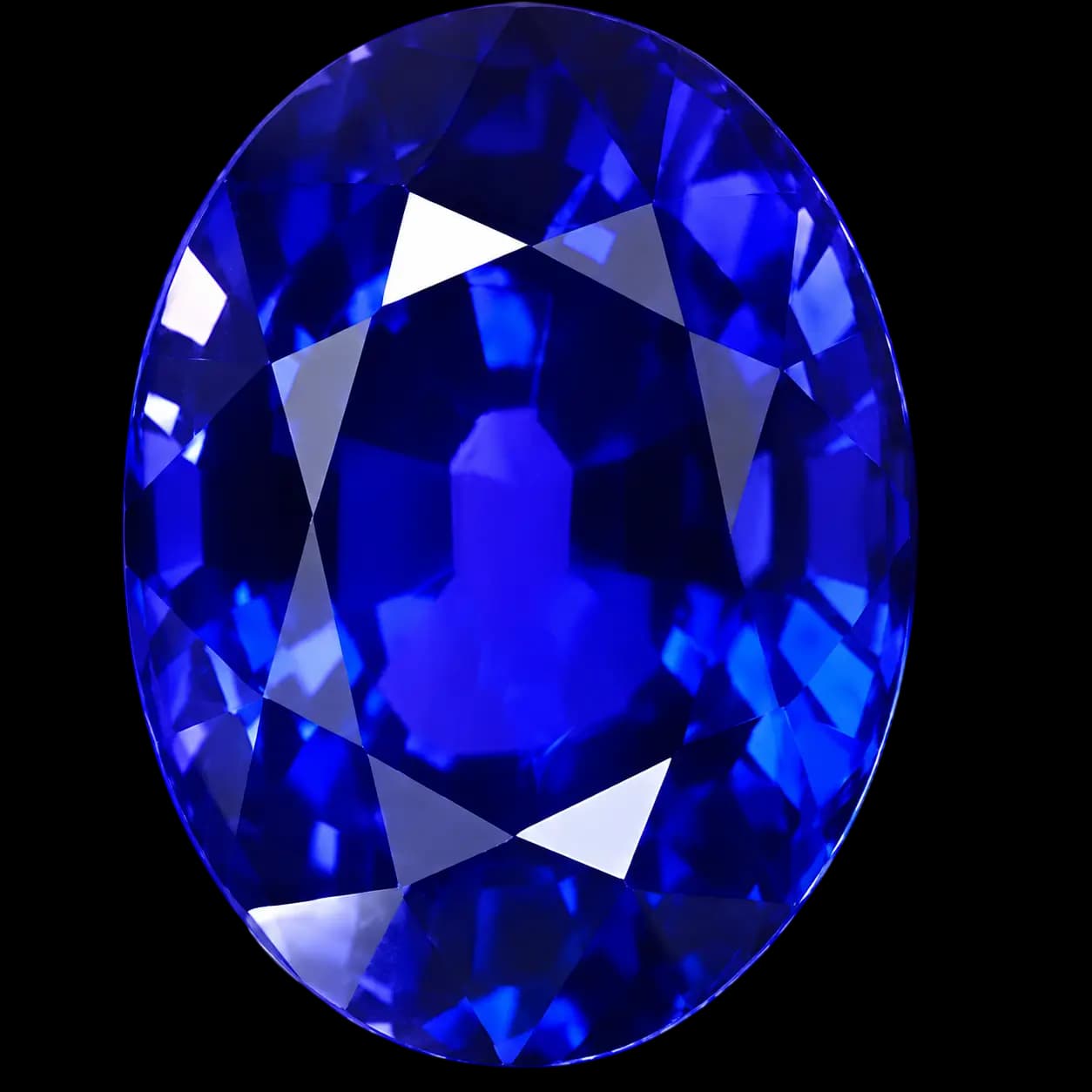
Sapphire
Sapphire, a gem of unparalleled beauty and durability, captivates with its vivid hues and exceptional hardness. From deep royal blues to delicate pinks, these corundum treasures embody luxury and sophistication, making them perfect for heirloom jewelry and discerning collectors worldwide.
Sapphire belongs to the corundum mineral family, with the chemical composition aluminum oxide (Al₂O₃). It forms in metamorphic and igneous rocks under high-pressure and high-temperature conditions, often found in alluvial deposits after weathering. With a Mohs hardness of 9, it ranks as one of the hardest gemstones, offering excellent durability. Its vitreous luster and high refractive index (1.762–1.770) produce brilliant sparkle. Sapphires occur in a rainbow of colors excluding red (which is ruby), including classic blue, pink, yellow, green, orange, purple, and even color-changing varieties. Star sapphires display asterism, a six-rayed star effect in cabochon cuts. Historically prized by ancient civilizations in regions like Sri Lanka, Myanmar, and Kashmir, sapphires have adorned royalty and symbolize purity and wisdom in modern jewelry. Today, they are favored for engagement rings, earrings, and statement pieces due to their versatility and lasting brilliance. Buyers value sapphires for their rarity, especially untreated stones from premium origins, and their ability to complement both classic and contemporary designs.
- Mineral Family
- Corundum
- Chemical Formula
- Al₂O₃
- Mohs Hardness
- 9
- Refractive Index
- 1.762 - 1.770
- Specific Gravity
- 3.98 - 4.06
- Cleavage
- None
- Crystal System
- Trigonal
- Luster
- Vitreous
- Color Range
- Blue, Pink, Purple, Yellow, Green, Orange, Black, White
When purchasing sapphires, focus on the 4Cs: color, clarity, cut, and carat. Vibrant, evenly saturated colors command higher value, with medium to dark blue tones particularly prized. Clarity varies; inclusions are common and often acceptable, though eye-clean stones are rarer. Precision cuts maximize brilliance and color display. Larger carat weights increase value, especially in fine qualities. Origins matter—stones from Kashmir, Sri Lanka (Ceylon), and Myanmar (Burma) are highly regarded. Many sapphires undergo heat treatment to enhance color and clarity, a standard industry practice that should be disclosed. Natural sapphires are preferred over lab-grown for collectors seeking authenticity. Always request certification from reputable labs like GIA to verify quality and treatments. Price factors include rarity of color, size, and origin, with exceptional pieces reaching premium values. Consider your jewelry style and ensure the stone suits everyday wear given its superior hardness.
Sapphires are highly durable but benefit from proper care to maintain their luster. Clean regularly with warm soapy water and a soft brush, gently scrubbing to remove dirt. Rinse thoroughly and dry with a lint-free cloth. Avoid harsh chemicals, ultrasonic cleaners for treated stones, and extreme temperature changes. Store separately in a soft pouch or lined jewelry box to prevent scratches from harder gems like diamonds. For everyday wear, sapphire's toughness makes it suitable for rings and other pieces, but remove during heavy activities or contact sports. Professional cleaning and inspection annually helps preserve settings and polish. With mindful care, your sapphire jewelry will retain its beauty for generations.
Sapphire belongs to the corundum mineral family, with the chemical composition aluminum oxide (Al₂O₃). It forms in metamorphic and igneous rocks under high-pressure and high-temperature conditions, often found in alluvial deposits after weathering. With a Mohs hardness of 9, it ranks as one of the hardest gemstones, offering excellent durability. Its vitreous luster and high refractive index (1.762–1.770) produce brilliant sparkle. Sapphires occur in a rainbow of colors excluding red (which is ruby), including classic blue, pink, yellow, green, orange, purple, and even color-changing varieties. Star sapphires display asterism, a six-rayed star effect in cabochon cuts. Historically prized by ancient civilizations in regions like Sri Lanka, Myanmar, and Kashmir, sapphires have adorned royalty and symbolize purity and wisdom in modern jewelry. Today, they are favored for engagement rings, earrings, and statement pieces due to their versatility and lasting brilliance. Buyers value sapphires for their rarity, especially untreated stones from premium origins, and their ability to complement both classic and contemporary designs.
- Mineral Family
- Corundum
- Chemical Formula
- Al₂O₃
- Mohs Hardness
- 9
- Refractive Index
- 1.762 - 1.770
- Specific Gravity
- 3.98 - 4.06
- Cleavage
- None
- Crystal System
- Trigonal
- Luster
- Vitreous
- Color Range
- Blue, Pink, Purple, Yellow, Green, Orange, Black, White
When purchasing sapphires, focus on the 4Cs: color, clarity, cut, and carat. Vibrant, evenly saturated colors command higher value, with medium to dark blue tones particularly prized. Clarity varies; inclusions are common and often acceptable, though eye-clean stones are rarer. Precision cuts maximize brilliance and color display. Larger carat weights increase value, especially in fine qualities. Origins matter—stones from Kashmir, Sri Lanka (Ceylon), and Myanmar (Burma) are highly regarded. Many sapphires undergo heat treatment to enhance color and clarity, a standard industry practice that should be disclosed. Natural sapphires are preferred over lab-grown for collectors seeking authenticity. Always request certification from reputable labs like GIA to verify quality and treatments. Price factors include rarity of color, size, and origin, with exceptional pieces reaching premium values. Consider your jewelry style and ensure the stone suits everyday wear given its superior hardness.
Sapphires are highly durable but benefit from proper care to maintain their luster. Clean regularly with warm soapy water and a soft brush, gently scrubbing to remove dirt. Rinse thoroughly and dry with a lint-free cloth. Avoid harsh chemicals, ultrasonic cleaners for treated stones, and extreme temperature changes. Store separately in a soft pouch or lined jewelry box to prevent scratches from harder gems like diamonds. For everyday wear, sapphire's toughness makes it suitable for rings and other pieces, but remove during heavy activities or contact sports. Professional cleaning and inspection annually helps preserve settings and polish. With mindful care, your sapphire jewelry will retain its beauty for generations.
Sapphire for Sale
No gems found
Try broadening your search or adjusting your filters.
Have a gem of your own? List it free - no fees