Andesine
Andesine is a distinctive plagioclase feldspar prized for warm red, orange, yellow and green hues, vitreous luster and its unusual place in the modern colored-gem market.
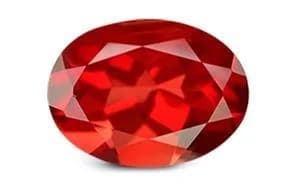
Andesine is a gemstone variety within the plagioclase feldspar series, occupying an intermediate composition between albite and anorthite. It belongs to the feldspar mineral family and crystallizes in the triclinic system. Its composition is commonly represented as (Ca,Na)(Al,Si)4O8, with the proportions of sodium, calcium, aluminum and silicon varying across the plagioclase series. Andesine forms primarily in igneous environments, including intermediate volcanic and plutonic rocks, and its name is associated with the Andes region of South America. Gem-quality material is relatively uncommon compared with more abundant feldspar varieties. Natural Andesine can occur in red, orange, yellow, green, gray and near-white tones, with attractive red and orange material particularly sought after by collectors and jewelry buyers. Some stones may display subtle optical effects related to their internal structure or inclusions, although strong labradorescence is more characteristic of labradorite. Andesine has a Mohs hardness of 6 to 6.5, a refractive index of approximately 1.543 to 1.562, and a specific gravity around 2.66 to 2.68. It has perfect cleavage in one direction and good cleavage in another, so it should be protected from sharp impacts. Historically, natural red and green feldspar marketed as Andesine became the subject of major gemological investigation after large quantities entered the trade in the early 2000s. Research found that much of the disputed material had been copper-diffusion treated, highlighting the importance of laboratory identification and accurate treatment disclosure. Natural Oregon feldspar, often discussed in connection with copper-bearing sunstone and related plagioclase material, is an important part of the history of red and green feldspar research. Today, Andesine is used in rings, earrings, pendants and other jewelry where its warm colors and distinctive feldspar character can be showcased. Buyers value fine Andesine for its color, transparency, attractive cutting and relative rarity, while collectors often place additional importance on documented natural origin and treatment status.
- Mineral Family
- Feldspar
- Chemical Formula
- (Ca,Na)(Al,Si)4O8
- Mohs Hardness
- 6-6.5
- Refractive Index
- 1.543-1.562
- Specific Gravity
- 2.66-2.68
- Cleavage
- Perfect on {001}; good on {010}
- Crystal System
- Triclinic
- Luster
- Pearly
- Color Range
- Red, Orange, Yellow, Green, Gray, White, Pink
When buying an Andesine gemstone, begin with color. Saturated, attractive red, orange and reddish-orange hues can be especially desirable, while the best choice ultimately depends on the stone's overall appearance and transparency. Clarity should be assessed together with color because Andesine commonly contains internal features, and heavily included stones may appear less transparent. Eye-clean material with good transparency can command a premium when other quality factors are comparable. Cut has a major influence on appearance because a well-proportioned faceted Andesine can improve brilliance, color presentation and visual balance. Popular shapes include oval, round, cushion and other traditional faceted forms. Carat weight also affects price, although there is no universal price-per-carat scale for Andesine; larger, attractive and well-cut stones with desirable color and documented natural status can command higher prices. Origin should be considered carefully rather than treated as a guarantee of quality. Claims of origin for red andesine have historically been controversial, so independent laboratory documentation is particularly valuable for important stones. Treatments are a critical buying consideration. Copper diffusion has been used to alter the color of plagioclase feldspar, including andesine and related material, and distinguishing treated from untreated material can require advanced gemological testing. Always ask whether the stone has been treated and ensure the treatment is clearly disclosed. Andesine does not have a widely established laboratory-grown counterpart used as a standard alternative in the jewelry market, but buyers should still distinguish natural material from treated or imitation material. For valuable stones, request an independent laboratory report identifying the material and, where relevant, commenting on treatment. Authenticity cannot be established reliably from appearance alone, particularly for red and green material associated with the historical diffusion controversy. Price depends on color, clarity, transparency, cut, size, provenance, treatment status, documentation and overall market demand. A trustworthy seller should provide accurate disclosures, clear photographs or videos, and laboratory documentation when appropriate.
Andesine can be worn in jewelry, but its Mohs hardness of 6 to 6.5 and prominent cleavage make it more vulnerable to scratches, chips and impact than harder gems such as sapphire. Clean Andesine with lukewarm water, a mild soap and a soft cloth or soft brush. Rinse carefully and dry with a lint-free cloth. Avoid sudden impacts, rough handling and contact with harder gemstones during storage. Because of its cleavage, remove Andesine jewelry before activities where the stone could be struck or exposed to pressure. Store individual pieces separately in a soft pouch or lined compartment to reduce scratching. Ultrasonic and steam cleaning are best avoided unless a qualified gemologist has confirmed that the specific stone is suitable. Treated Andesine should also be cared for according to the treatment information provided with the stone. For everyday jewelry, earrings and pendants generally offer better protection than rings, while rings should receive extra care around the edges and setting.
Andesine is a gemstone variety within the plagioclase feldspar series, occupying an intermediate composition between albite and anorthite. It belongs to the feldspar mineral family and crystallizes in the triclinic system. Its composition is commonly represented as (Ca,Na)(Al,Si)4O8, with the proportions of sodium, calcium, aluminum and silicon varying across the plagioclase series. Andesine forms primarily in igneous environments, including intermediate volcanic and plutonic rocks, and its name is associated with the Andes region of South America. Gem-quality material is relatively uncommon compared with more abundant feldspar varieties. Natural Andesine can occur in red, orange, yellow, green, gray and near-white tones, with attractive red and orange material particularly sought after by collectors and jewelry buyers. Some stones may display subtle optical effects related to their internal structure or inclusions, although strong labradorescence is more characteristic of labradorite. Andesine has a Mohs hardness of 6 to 6.5, a refractive index of approximately 1.543 to 1.562, and a specific gravity around 2.66 to 2.68. It has perfect cleavage in one direction and good cleavage in another, so it should be protected from sharp impacts. Historically, natural red and green feldspar marketed as Andesine became the subject of major gemological investigation after large quantities entered the trade in the early 2000s. Research found that much of the disputed material had been copper-diffusion treated, highlighting the importance of laboratory identification and accurate treatment disclosure. Natural Oregon feldspar, often discussed in connection with copper-bearing sunstone and related plagioclase material, is an important part of the history of red and green feldspar research. Today, Andesine is used in rings, earrings, pendants and other jewelry where its warm colors and distinctive feldspar character can be showcased. Buyers value fine Andesine for its color, transparency, attractive cutting and relative rarity, while collectors often place additional importance on documented natural origin and treatment status.
- Mineral Family
- Feldspar
- Chemical Formula
- (Ca,Na)(Al,Si)4O8
- Mohs Hardness
- 6-6.5
- Refractive Index
- 1.543-1.562
- Specific Gravity
- 2.66-2.68
- Cleavage
- Perfect on {001}; good on {010}
- Crystal System
- Triclinic
- Luster
- Pearly
- Color Range
- Red, Orange, Yellow, Green, Gray, White, Pink
When buying an Andesine gemstone, begin with color. Saturated, attractive red, orange and reddish-orange hues can be especially desirable, while the best choice ultimately depends on the stone's overall appearance and transparency. Clarity should be assessed together with color because Andesine commonly contains internal features, and heavily included stones may appear less transparent. Eye-clean material with good transparency can command a premium when other quality factors are comparable. Cut has a major influence on appearance because a well-proportioned faceted Andesine can improve brilliance, color presentation and visual balance. Popular shapes include oval, round, cushion and other traditional faceted forms. Carat weight also affects price, although there is no universal price-per-carat scale for Andesine; larger, attractive and well-cut stones with desirable color and documented natural status can command higher prices. Origin should be considered carefully rather than treated as a guarantee of quality. Claims of origin for red andesine have historically been controversial, so independent laboratory documentation is particularly valuable for important stones. Treatments are a critical buying consideration. Copper diffusion has been used to alter the color of plagioclase feldspar, including andesine and related material, and distinguishing treated from untreated material can require advanced gemological testing. Always ask whether the stone has been treated and ensure the treatment is clearly disclosed. Andesine does not have a widely established laboratory-grown counterpart used as a standard alternative in the jewelry market, but buyers should still distinguish natural material from treated or imitation material. For valuable stones, request an independent laboratory report identifying the material and, where relevant, commenting on treatment. Authenticity cannot be established reliably from appearance alone, particularly for red and green material associated with the historical diffusion controversy. Price depends on color, clarity, transparency, cut, size, provenance, treatment status, documentation and overall market demand. A trustworthy seller should provide accurate disclosures, clear photographs or videos, and laboratory documentation when appropriate.
Andesine can be worn in jewelry, but its Mohs hardness of 6 to 6.5 and prominent cleavage make it more vulnerable to scratches, chips and impact than harder gems such as sapphire. Clean Andesine with lukewarm water, a mild soap and a soft cloth or soft brush. Rinse carefully and dry with a lint-free cloth. Avoid sudden impacts, rough handling and contact with harder gemstones during storage. Because of its cleavage, remove Andesine jewelry before activities where the stone could be struck or exposed to pressure. Store individual pieces separately in a soft pouch or lined compartment to reduce scratching. Ultrasonic and steam cleaning are best avoided unless a qualified gemologist has confirmed that the specific stone is suitable. Treated Andesine should also be cared for according to the treatment information provided with the stone. For everyday jewelry, earrings and pendants generally offer better protection than rings, while rings should receive extra care around the edges and setting.
Andesine for Sale
No gems found
Try broadening your search or adjusting your filters.
Have a gem of your own? List it free - no fees