Amazonite
Amazonite is a distinctive blue-green variety of microcline feldspar, prized for its fresh color, natural patterns, and approachable beauty in jewelry and collectible gems.
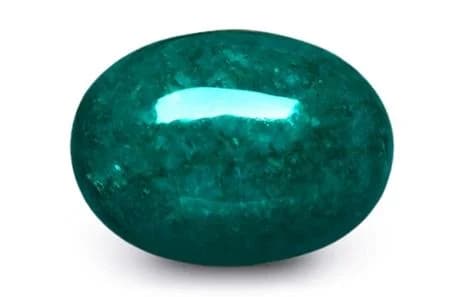
Amazonite is the gem variety of microcline, a potassium-rich feldspar in the alkali feldspar group. Its chemical formula is KAlSi3O8, and it crystallizes in the triclinic system. With a Mohs hardness of 6-6.5, Amazonite is reasonably durable but has perfect cleavage, so it can chip or fracture if struck sharply. Its refractive index is approximately 1.522-1.530 and its specific gravity is about 2.56-2.58. Amazonite typically has a vitreous luster and is translucent to opaque. Its signature colors range from green and blue-green to attractive cyan and turquoise-like shades, often accompanied by white streaks, grid-like patterns, or color zoning. The color is associated with trace elements and structural characteristics within the microcline. Amazonite forms in geological environments associated with potassium-rich granitic rocks and pegmatites. Important sources and collecting localities include Brazil, Madagascar, Russia, Ethiopia, Myanmar, India, and the United States, including Colorado. The name Amazonite refers to the Amazon River, although the historical connection between the river and the material now identified as Amazonite is uncertain. Fine examples from localities such as Colorado's Pikes Peak region and Russia are particularly appreciated by mineral collectors for their color and patterning. Unlike transparent faceted gemstones, Amazonite is most commonly fashioned as cabochons, beads, polished specimens, carvings, and ornamental objects. It can also be used in pendants, earrings, bracelets, and occasional rings, although its cleavage makes protective settings and sensible everyday wear important. Buyers value natural Amazonite for its distinctive blue-green palette, individual patterning, relatively accessible price, and strong connection to classic feldspar mineral collecting. When assessing an Amazonite gemstone, the appeal is primarily visual and material: color quality, pattern, surface finish, size, condition, and provenance all contribute to desirability.
- Mineral Family
- Feldspar
- Chemical Formula
- KAlSi3O8
- Mohs Hardness
- 6 - 6.5
- Refractive Index
- 1.522 - 1.530
- Specific Gravity
- 2.56 - 2.58
- Cleavage
- Perfect in two directions
- Crystal System
- Triclinic
- Luster
- Vitreous
- Color Range
- Green, Cyan
A good Amazonite buying guide starts with color, pattern, condition, and intended use. Color is usually the first consideration: attractive blue-green, greenish-blue, cyan, and saturated green tones can be especially appealing. Even color is not essential because natural Amazonite often displays white streaks, cross-hatched patterns, or zones that contribute to its character. Clarity should be judged differently from transparent gemstones. Much Amazonite is translucent to opaque, so visible internal patterning is normal; buyers should instead look for excessive fractures, chips, unstable cleavage surfaces, or damage that could affect durability. Cut is generally focused on polished cabochons, beads, carvings, and freeform shapes rather than precision faceting. A well-executed polish should be even and reveal the stone's natural color and pattern without looking artificially coated. Carat weight matters mainly when comparing similarly shaped gemstones; dimensions, thickness, pattern, quality, and overall appearance can be more useful for opaque Amazonite. Origin can add collector interest, particularly when a locality is documented, but origin should not automatically be treated as a guarantee of higher quality or value. Natural Amazonite is the standard material in the gem and mineral market, while laboratory-grown or synthetic material is not a common commercial category. Sellers should clearly disclose any imitation or composite material. Amazonite is commonly sold untreated, but buyers should still ask whether a particular piece has been dyed, impregnated, coated, or otherwise enhanced. Do not assume an unusually vivid color is natural without disclosure. For higher-value specimens or important jewelry purchases, an independent gemological or mineralogical report can help confirm identity and disclose treatments where the laboratory can test for them. Authenticity should be evaluated using professional identification rather than simple home tests, because color and appearance alone cannot reliably distinguish natural Amazonite from every imitation. Price depends on color, pattern quality, size, finish, condition, locality, craftsmanship, and rarity of the particular material. Because Amazonite has perfect cleavage and moderate hardness, pieces intended for frequent wear deserve particular attention to setting design and protection.
Amazonite jewelry should be handled with more care than harder, less-cleavable gemstones. Clean it gently with lukewarm water, a small amount of mild soap, and a soft cloth or soft brush. Rinse thoroughly and dry with a soft cloth. Avoid ultrasonic cleaners and steam cleaning, as the stone's cleavage and potential fractures make aggressive cleaning methods unsuitable. Avoid sudden impacts, dropping the stone, and activities where the gemstone may be struck against hard surfaces. Rings and bracelets receive more impact than pendants or earrings, so Amazonite is generally better suited to occasional or mindful everyday wear rather than demanding activities. Keep Amazonite separate from harder gemstones to reduce scratching, ideally in a soft pouch or individual jewelry compartment. Avoid prolonged exposure to harsh chemicals, strong cleaning agents, and unnecessary heat. If the stone has been treated or impregnated, follow the seller's specific care instructions because treatments can change its sensitivity to heat, solvents, or cleaning methods.
Amazonite is the gem variety of microcline, a potassium-rich feldspar in the alkali feldspar group. Its chemical formula is KAlSi3O8, and it crystallizes in the triclinic system. With a Mohs hardness of 6-6.5, Amazonite is reasonably durable but has perfect cleavage, so it can chip or fracture if struck sharply. Its refractive index is approximately 1.522-1.530 and its specific gravity is about 2.56-2.58. Amazonite typically has a vitreous luster and is translucent to opaque. Its signature colors range from green and blue-green to attractive cyan and turquoise-like shades, often accompanied by white streaks, grid-like patterns, or color zoning. The color is associated with trace elements and structural characteristics within the microcline. Amazonite forms in geological environments associated with potassium-rich granitic rocks and pegmatites. Important sources and collecting localities include Brazil, Madagascar, Russia, Ethiopia, Myanmar, India, and the United States, including Colorado. The name Amazonite refers to the Amazon River, although the historical connection between the river and the material now identified as Amazonite is uncertain. Fine examples from localities such as Colorado's Pikes Peak region and Russia are particularly appreciated by mineral collectors for their color and patterning. Unlike transparent faceted gemstones, Amazonite is most commonly fashioned as cabochons, beads, polished specimens, carvings, and ornamental objects. It can also be used in pendants, earrings, bracelets, and occasional rings, although its cleavage makes protective settings and sensible everyday wear important. Buyers value natural Amazonite for its distinctive blue-green palette, individual patterning, relatively accessible price, and strong connection to classic feldspar mineral collecting. When assessing an Amazonite gemstone, the appeal is primarily visual and material: color quality, pattern, surface finish, size, condition, and provenance all contribute to desirability.
- Mineral Family
- Feldspar
- Chemical Formula
- KAlSi3O8
- Mohs Hardness
- 6 - 6.5
- Refractive Index
- 1.522 - 1.530
- Specific Gravity
- 2.56 - 2.58
- Cleavage
- Perfect in two directions
- Crystal System
- Triclinic
- Luster
- Vitreous
- Color Range
- Green, Cyan
A good Amazonite buying guide starts with color, pattern, condition, and intended use. Color is usually the first consideration: attractive blue-green, greenish-blue, cyan, and saturated green tones can be especially appealing. Even color is not essential because natural Amazonite often displays white streaks, cross-hatched patterns, or zones that contribute to its character. Clarity should be judged differently from transparent gemstones. Much Amazonite is translucent to opaque, so visible internal patterning is normal; buyers should instead look for excessive fractures, chips, unstable cleavage surfaces, or damage that could affect durability. Cut is generally focused on polished cabochons, beads, carvings, and freeform shapes rather than precision faceting. A well-executed polish should be even and reveal the stone's natural color and pattern without looking artificially coated. Carat weight matters mainly when comparing similarly shaped gemstones; dimensions, thickness, pattern, quality, and overall appearance can be more useful for opaque Amazonite. Origin can add collector interest, particularly when a locality is documented, but origin should not automatically be treated as a guarantee of higher quality or value. Natural Amazonite is the standard material in the gem and mineral market, while laboratory-grown or synthetic material is not a common commercial category. Sellers should clearly disclose any imitation or composite material. Amazonite is commonly sold untreated, but buyers should still ask whether a particular piece has been dyed, impregnated, coated, or otherwise enhanced. Do not assume an unusually vivid color is natural without disclosure. For higher-value specimens or important jewelry purchases, an independent gemological or mineralogical report can help confirm identity and disclose treatments where the laboratory can test for them. Authenticity should be evaluated using professional identification rather than simple home tests, because color and appearance alone cannot reliably distinguish natural Amazonite from every imitation. Price depends on color, pattern quality, size, finish, condition, locality, craftsmanship, and rarity of the particular material. Because Amazonite has perfect cleavage and moderate hardness, pieces intended for frequent wear deserve particular attention to setting design and protection.
Amazonite jewelry should be handled with more care than harder, less-cleavable gemstones. Clean it gently with lukewarm water, a small amount of mild soap, and a soft cloth or soft brush. Rinse thoroughly and dry with a soft cloth. Avoid ultrasonic cleaners and steam cleaning, as the stone's cleavage and potential fractures make aggressive cleaning methods unsuitable. Avoid sudden impacts, dropping the stone, and activities where the gemstone may be struck against hard surfaces. Rings and bracelets receive more impact than pendants or earrings, so Amazonite is generally better suited to occasional or mindful everyday wear rather than demanding activities. Keep Amazonite separate from harder gemstones to reduce scratching, ideally in a soft pouch or individual jewelry compartment. Avoid prolonged exposure to harsh chemicals, strong cleaning agents, and unnecessary heat. If the stone has been treated or impregnated, follow the seller's specific care instructions because treatments can change its sensitivity to heat, solvents, or cleaning methods.
Amazonite for Sale
No gems found
Try broadening your search or adjusting your filters.
Have a gem of your own? List it free - no fees