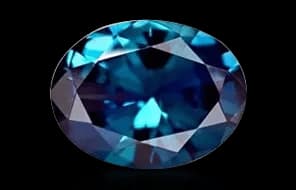
Russian Alexandrite
Russian Alexandrite is a legendary color-changing gemstone prized for its vivid green-to-red shift, exceptional rarity, and historic connection to the Ural Mountains.
Russian Alexandrite is the historic Russian variety of alexandrite, a rare color-change variety of chrysoberyl. Chrysoberyl is a beryllium aluminate mineral with the chemical formula BeAl₂O₄ and an orthorhombic crystal system. Alexandrite is distinguished by its remarkable color-change effect: fine stones typically appear green to bluish green in daylight and shift toward red, purplish red, or reddish purple under incandescent light. This optical phenomenon is known as the alexandrite effect and results from the gem's distinctive light absorption properties. Russian Alexandrite was first discovered in the Ural Mountains of Russia in the 1830s and was named after Alexander II. The historic Ural deposits eventually became exhausted, making fine natural Russian material exceptionally scarce today. Russian stones are particularly admired for their attractive bluish-green daylight colors and strong red-to-purplish-red changes under incandescent illumination. Alexandrite has a Mohs hardness of 8.5, a refractive index of approximately 1.746–1.755, a specific gravity of about 3.73, vitreous luster, and no cleavage, giving it good durability for jewelry. Fine alexandrite is typically transparent to translucent and may contain inclusions, although clean stones with strong color change are especially valuable. Rare needle-like inclusions can sometimes create chatoyancy, producing cat's-eye alexandrite. Today, natural Russian Alexandrite is primarily valued by collectors and connoisseurs because historic material is limited and fine stones in larger sizes are exceptionally difficult to find. Alexandrite is also recognized as a June birthstone and is traditionally associated with the 55th wedding anniversary. In modern jewelry, Russian Alexandrite is especially suited to rings, pendants, earrings, and collector pieces where its dramatic color change can be appreciated under different lighting. Buyers value it for its natural rarity, distinctive optical phenomenon, historic provenance, durability, and scarcity of fine-quality material.
- Mineral Family
- Chrysoberyl
- Chemical Formula
- BeAl₂O₄
- Mohs Hardness
- 8.5
- Refractive Index
- 1.746 - 1.755
- Specific Gravity
- 3.73
- Cleavage
- None
- Crystal System
- Orthorhombic
- Luster
- Vitreous
- Color Range
- Green, Red, Purple
When buying Russian Alexandrite, the most important factors are color, strength of color change, clarity, cut, carat weight, documented origin, treatment status, and laboratory verification. Color is particularly important: fine alexandrite generally shows a vivid green to bluish-green appearance in daylight and a strong red to purplish-red appearance under incandescent light. A stronger and more attractive color change generally increases desirability, while overly dark, grayish, brownish, or weakly saturated colors may be less valuable. Clarity also matters because clean, transparent stones with strong color change are uncommon. Some inclusions are acceptable in natural alexandrite, and certain needle-like inclusions may produce desirable cat's-eye chatoyancy. Cut should be evaluated for both brilliance and the presentation of color change. Because alexandrite is rare, cutters may choose proportions that preserve weight while still displaying the optical effect effectively. Carat weight has a major influence on price because fine-quality alexandrite becomes dramatically rarer as size increases. Origin is especially significant for a stone represented as Russian Alexandrite. The Russian designation should be supported by a reputable independent laboratory origin opinion rather than assumed from appearance alone. Natural Russian Alexandrite is distinct from laboratory-grown alexandrite, which can have similar chemical and physical properties but is manufactured rather than naturally formed. Buyers should also ask whether any detectable treatments have been applied. A respected gem laboratory can determine whether alexandrite is natural or laboratory-grown, identify detectable treatments, and, when possible and requested, provide an opinion on geographic origin. A laboratory report is therefore particularly valuable for high-value Russian Alexandrite. Before purchasing, compare the stone's daylight and incandescent appearance, inspect its transparency and inclusions, confirm the carat weight and measurements, review the laboratory report, and ensure that the seller clearly states whether the stone is natural, laboratory-grown, treated, or of documented Russian origin. Price is ultimately driven by the combination of color quality, strength of color change, clarity, cut, size, natural status, provenance, certification, and overall rarity rather than origin alone.
Alexandrite is relatively durable at 8.5 on the Mohs scale and has no cleavage, making it suitable for many types of jewelry, including rings. For routine cleaning, use lukewarm water, a small amount of mild soap, and a soft cloth or soft brush. Rinse thoroughly and dry with a clean, soft cloth. Avoid harsh chemicals, abrasive cleaners, bleach, and prolonged exposure to substances that may damage the stone or its setting. Ultrasonic and steam cleaning should be approached cautiously, particularly when the gemstone contains significant inclusions, fractures, or has undergone treatment; professional advice is preferable for valuable stones. Store Russian Alexandrite separately from harder gemstones to reduce the chance of scratching, ideally in a soft-lined jewelry box or pouch. Although its hardness is good for everyday wear, avoid strong impacts, rough activities, and sudden temperature changes. For valuable natural Russian Alexandrite, periodic professional inspection of the stone and setting is recommended.
Russian Alexandrite is the historic Russian variety of alexandrite, a rare color-change variety of chrysoberyl. Chrysoberyl is a beryllium aluminate mineral with the chemical formula BeAl₂O₄ and an orthorhombic crystal system. Alexandrite is distinguished by its remarkable color-change effect: fine stones typically appear green to bluish green in daylight and shift toward red, purplish red, or reddish purple under incandescent light. This optical phenomenon is known as the alexandrite effect and results from the gem's distinctive light absorption properties. Russian Alexandrite was first discovered in the Ural Mountains of Russia in the 1830s and was named after Alexander II. The historic Ural deposits eventually became exhausted, making fine natural Russian material exceptionally scarce today. Russian stones are particularly admired for their attractive bluish-green daylight colors and strong red-to-purplish-red changes under incandescent illumination. Alexandrite has a Mohs hardness of 8.5, a refractive index of approximately 1.746–1.755, a specific gravity of about 3.73, vitreous luster, and no cleavage, giving it good durability for jewelry. Fine alexandrite is typically transparent to translucent and may contain inclusions, although clean stones with strong color change are especially valuable. Rare needle-like inclusions can sometimes create chatoyancy, producing cat's-eye alexandrite. Today, natural Russian Alexandrite is primarily valued by collectors and connoisseurs because historic material is limited and fine stones in larger sizes are exceptionally difficult to find. Alexandrite is also recognized as a June birthstone and is traditionally associated with the 55th wedding anniversary. In modern jewelry, Russian Alexandrite is especially suited to rings, pendants, earrings, and collector pieces where its dramatic color change can be appreciated under different lighting. Buyers value it for its natural rarity, distinctive optical phenomenon, historic provenance, durability, and scarcity of fine-quality material.
- Mineral Family
- Chrysoberyl
- Chemical Formula
- BeAl₂O₄
- Mohs Hardness
- 8.5
- Refractive Index
- 1.746 - 1.755
- Specific Gravity
- 3.73
- Cleavage
- None
- Crystal System
- Orthorhombic
- Luster
- Vitreous
- Color Range
- Green, Red, Purple
When buying Russian Alexandrite, the most important factors are color, strength of color change, clarity, cut, carat weight, documented origin, treatment status, and laboratory verification. Color is particularly important: fine alexandrite generally shows a vivid green to bluish-green appearance in daylight and a strong red to purplish-red appearance under incandescent light. A stronger and more attractive color change generally increases desirability, while overly dark, grayish, brownish, or weakly saturated colors may be less valuable. Clarity also matters because clean, transparent stones with strong color change are uncommon. Some inclusions are acceptable in natural alexandrite, and certain needle-like inclusions may produce desirable cat's-eye chatoyancy. Cut should be evaluated for both brilliance and the presentation of color change. Because alexandrite is rare, cutters may choose proportions that preserve weight while still displaying the optical effect effectively. Carat weight has a major influence on price because fine-quality alexandrite becomes dramatically rarer as size increases. Origin is especially significant for a stone represented as Russian Alexandrite. The Russian designation should be supported by a reputable independent laboratory origin opinion rather than assumed from appearance alone. Natural Russian Alexandrite is distinct from laboratory-grown alexandrite, which can have similar chemical and physical properties but is manufactured rather than naturally formed. Buyers should also ask whether any detectable treatments have been applied. A respected gem laboratory can determine whether alexandrite is natural or laboratory-grown, identify detectable treatments, and, when possible and requested, provide an opinion on geographic origin. A laboratory report is therefore particularly valuable for high-value Russian Alexandrite. Before purchasing, compare the stone's daylight and incandescent appearance, inspect its transparency and inclusions, confirm the carat weight and measurements, review the laboratory report, and ensure that the seller clearly states whether the stone is natural, laboratory-grown, treated, or of documented Russian origin. Price is ultimately driven by the combination of color quality, strength of color change, clarity, cut, size, natural status, provenance, certification, and overall rarity rather than origin alone.
Alexandrite is relatively durable at 8.5 on the Mohs scale and has no cleavage, making it suitable for many types of jewelry, including rings. For routine cleaning, use lukewarm water, a small amount of mild soap, and a soft cloth or soft brush. Rinse thoroughly and dry with a clean, soft cloth. Avoid harsh chemicals, abrasive cleaners, bleach, and prolonged exposure to substances that may damage the stone or its setting. Ultrasonic and steam cleaning should be approached cautiously, particularly when the gemstone contains significant inclusions, fractures, or has undergone treatment; professional advice is preferable for valuable stones. Store Russian Alexandrite separately from harder gemstones to reduce the chance of scratching, ideally in a soft-lined jewelry box or pouch. Although its hardness is good for everyday wear, avoid strong impacts, rough activities, and sudden temperature changes. For valuable natural Russian Alexandrite, periodic professional inspection of the stone and setting is recommended.
Russian Alexandrite for Sale
No gems found
Try broadening your search or adjusting your filters.
Have a gem of your own? List it free - no fees