Orthoclase
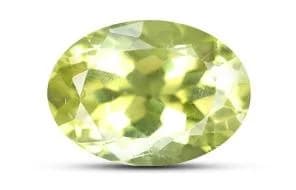
Orthoclase is a feldspar gemstone prized for warm golden, yellow, pink, and peach hues, attractive luster, and distinctive natural character.
Orthoclase is a potassium feldspar mineral and an important member of the feldspar family. Its chemical composition is KAlSi3O8, and it crystallizes in the monoclinic crystal system. With a Mohs hardness of 6, vitreous luster, and characteristic feldspar cleavage, Orthoclase offers appealing beauty but requires more care than harder gems such as sapphire or quartz.
Orthoclase forms in igneous rocks, particularly potassium-rich intrusive rocks such as granites and syenites. Gem-quality crystals can develop when geological conditions allow relatively large, transparent crystals to form. The mineral occurs in many parts of the world, including Madagascar, the United States, Norway, Brazil, and other regions with suitable feldspar-bearing rocks.
Orthoclase can occur in colorless, white, yellow, golden, pink, peach, gray, and greenish shades. Transparent golden-yellow material is especially attractive when faceted because its vitreous luster can produce lively reflections. Pink and peach varieties can also make distinctive jewelry stones. Orthoclase is closely related to other feldspar gemstones, and feldspar varieties such as adularia are important in the broader story of moonstone.
Historically, feldspar minerals have been studied extensively as major constituents of Earth's crust. Orthoclase has particular geological importance because it is one of the principal potassium feldspars and is common in many continental igneous rocks. Today, transparent gem-quality Orthoclase is appreciated by collectors and jewelry enthusiasts for its warm color, clarity, and relatively uncommon presence in fine gemstone jewelry.
Modern Orthoclase jewelry includes rings, pendants, earrings, brooches, and collector's gemstone pieces. Because its hardness is moderate and its cleavage makes it vulnerable to impact, pendants and earrings are generally safer choices for regular wear than exposed rings. Buyers value natural Orthoclase for its genuine mineral character, attractive color, transparency, and the individuality of each natural stone.
- Mineral Family
- Feldspar
- Chemical Formula
- KAlSi3O8
- Mohs Hardness
- 6
- Refractive Index
- 1.518 - 1.525
- Specific Gravity
- 2.55 - 2.63
- Cleavage
- Perfect in one direction and good in another, intersecting at approximately 90°
- Crystal System
- Monoclinic
- Luster
- Vitreous
- Color Range
- White, Yellow, Pink, Orange, Gray, Green
When buying Orthoclase gemstone, evaluate the stone as a combination of color, clarity, cut, size, origin, and condition rather than relying on color alone.
Color: Rich golden-yellow, honey, peach, and attractive pink tones can be particularly desirable. Look for even, pleasing color and good transparency where applicable. Very pale or heavily gray material may be less visually striking, although individual collector preferences vary.
Clarity: Transparent to translucent material is generally more desirable for faceted gems. Natural inclusions are common and can help distinguish a natural stone, but fractures that threaten durability should be considered carefully.
Cut: A well-proportioned faceted cut can bring out Orthoclase's vitreous luster and body color. Cabochons may be appropriate for translucent material or unusual specimens. Because of its cleavage, the cutter must balance beauty with durability.
Carat: Larger clean Orthoclase can be more difficult to obtain than smaller material, so size can influence value. However, a larger stone with weak color or poor clarity is not automatically more valuable than a smaller, attractive gem.
Origin: Madagascar, the United States, Norway, Brazil, and other feldspar-producing regions can yield Orthoclase specimens and gem material. Origin may add collector interest, but it should not replace assessment of the stone's actual quality.
Treatments: Ask whether the stone has undergone any treatment. A reputable seller should clearly disclose known treatments and whether the color is natural. Orthoclase should not be marketed with unsupported enhancement claims.
Natural vs lab-grown: Natural Orthoclase is a naturally occurring mineral. It is important to distinguish it from glass and other feldspar or feldspar-like materials sold under misleading names. There is no established mainstream market for laboratory-grown gem Orthoclase comparable to synthetic corundum or synthetic quartz.
Certification and authenticity: For a valuable or unusual stone, an independent gemological report can help confirm identity, detect treatments where applicable, and document important characteristics. Buy from sellers who provide clear photographs, accurate descriptions, treatment disclosure, and a transparent return policy. Price is influenced by color, transparency, clarity, cut quality, size, provenance, condition, and overall rarity.
Orthoclase is moderately durable at Mohs 6 and has pronounced cleavage, so careful handling is important. Clean Orthoclase with lukewarm water, a small amount of mild soap, and a soft cloth or soft brush. Rinse thoroughly and dry gently.
Avoid ultrasonic and steam cleaners, particularly for stones with fractures or significant inclusions. Keep Orthoclase away from hard blows, sudden impacts, abrasive materials, and harsh household chemicals. Remove Orthoclase rings and bracelets before sports, manual work, or activities where the stone could be struck.
Store each gem separately in a soft pouch or lined compartment to reduce the risk of scratches and accidental impact. For everyday jewelry, pendants and earrings are generally more suitable than exposed ring settings. If a valuable Orthoclase shows a crack, loose setting, or damaged edge, have it inspected by a qualified jeweler before continued wear.
Orthoclase is a potassium feldspar mineral and an important member of the feldspar family. Its chemical composition is KAlSi3O8, and it crystallizes in the monoclinic crystal system. With a Mohs hardness of 6, vitreous luster, and characteristic feldspar cleavage, Orthoclase offers appealing beauty but requires more care than harder gems such as sapphire or quartz.
Orthoclase forms in igneous rocks, particularly potassium-rich intrusive rocks such as granites and syenites. Gem-quality crystals can develop when geological conditions allow relatively large, transparent crystals to form. The mineral occurs in many parts of the world, including Madagascar, the United States, Norway, Brazil, and other regions with suitable feldspar-bearing rocks.
Orthoclase can occur in colorless, white, yellow, golden, pink, peach, gray, and greenish shades. Transparent golden-yellow material is especially attractive when faceted because its vitreous luster can produce lively reflections. Pink and peach varieties can also make distinctive jewelry stones. Orthoclase is closely related to other feldspar gemstones, and feldspar varieties such as adularia are important in the broader story of moonstone.
Historically, feldspar minerals have been studied extensively as major constituents of Earth's crust. Orthoclase has particular geological importance because it is one of the principal potassium feldspars and is common in many continental igneous rocks. Today, transparent gem-quality Orthoclase is appreciated by collectors and jewelry enthusiasts for its warm color, clarity, and relatively uncommon presence in fine gemstone jewelry.
Modern Orthoclase jewelry includes rings, pendants, earrings, brooches, and collector's gemstone pieces. Because its hardness is moderate and its cleavage makes it vulnerable to impact, pendants and earrings are generally safer choices for regular wear than exposed rings. Buyers value natural Orthoclase for its genuine mineral character, attractive color, transparency, and the individuality of each natural stone.
- Mineral Family
- Feldspar
- Chemical Formula
- KAlSi3O8
- Mohs Hardness
- 6
- Refractive Index
- 1.518 - 1.525
- Specific Gravity
- 2.55 - 2.63
- Cleavage
- Perfect in one direction and good in another, intersecting at approximately 90°
- Crystal System
- Monoclinic
- Luster
- Vitreous
- Color Range
- White, Yellow, Pink, Orange, Gray, Green
When buying Orthoclase gemstone, evaluate the stone as a combination of color, clarity, cut, size, origin, and condition rather than relying on color alone.
Color: Rich golden-yellow, honey, peach, and attractive pink tones can be particularly desirable. Look for even, pleasing color and good transparency where applicable. Very pale or heavily gray material may be less visually striking, although individual collector preferences vary.
Clarity: Transparent to translucent material is generally more desirable for faceted gems. Natural inclusions are common and can help distinguish a natural stone, but fractures that threaten durability should be considered carefully.
Cut: A well-proportioned faceted cut can bring out Orthoclase's vitreous luster and body color. Cabochons may be appropriate for translucent material or unusual specimens. Because of its cleavage, the cutter must balance beauty with durability.
Carat: Larger clean Orthoclase can be more difficult to obtain than smaller material, so size can influence value. However, a larger stone with weak color or poor clarity is not automatically more valuable than a smaller, attractive gem.
Origin: Madagascar, the United States, Norway, Brazil, and other feldspar-producing regions can yield Orthoclase specimens and gem material. Origin may add collector interest, but it should not replace assessment of the stone's actual quality.
Treatments: Ask whether the stone has undergone any treatment. A reputable seller should clearly disclose known treatments and whether the color is natural. Orthoclase should not be marketed with unsupported enhancement claims.
Natural vs lab-grown: Natural Orthoclase is a naturally occurring mineral. It is important to distinguish it from glass and other feldspar or feldspar-like materials sold under misleading names. There is no established mainstream market for laboratory-grown gem Orthoclase comparable to synthetic corundum or synthetic quartz.
Certification and authenticity: For a valuable or unusual stone, an independent gemological report can help confirm identity, detect treatments where applicable, and document important characteristics. Buy from sellers who provide clear photographs, accurate descriptions, treatment disclosure, and a transparent return policy. Price is influenced by color, transparency, clarity, cut quality, size, provenance, condition, and overall rarity.
Orthoclase is moderately durable at Mohs 6 and has pronounced cleavage, so careful handling is important. Clean Orthoclase with lukewarm water, a small amount of mild soap, and a soft cloth or soft brush. Rinse thoroughly and dry gently.
Avoid ultrasonic and steam cleaners, particularly for stones with fractures or significant inclusions. Keep Orthoclase away from hard blows, sudden impacts, abrasive materials, and harsh household chemicals. Remove Orthoclase rings and bracelets before sports, manual work, or activities where the stone could be struck.
Store each gem separately in a soft pouch or lined compartment to reduce the risk of scratches and accidental impact. For everyday jewelry, pendants and earrings are generally more suitable than exposed ring settings. If a valuable Orthoclase shows a crack, loose setting, or damaged edge, have it inspected by a qualified jeweler before continued wear.
Orthoclase for Sale
No gems found
Try broadening your search or adjusting your filters.
Have a gem of your own? List it free - no fees