Moonstone
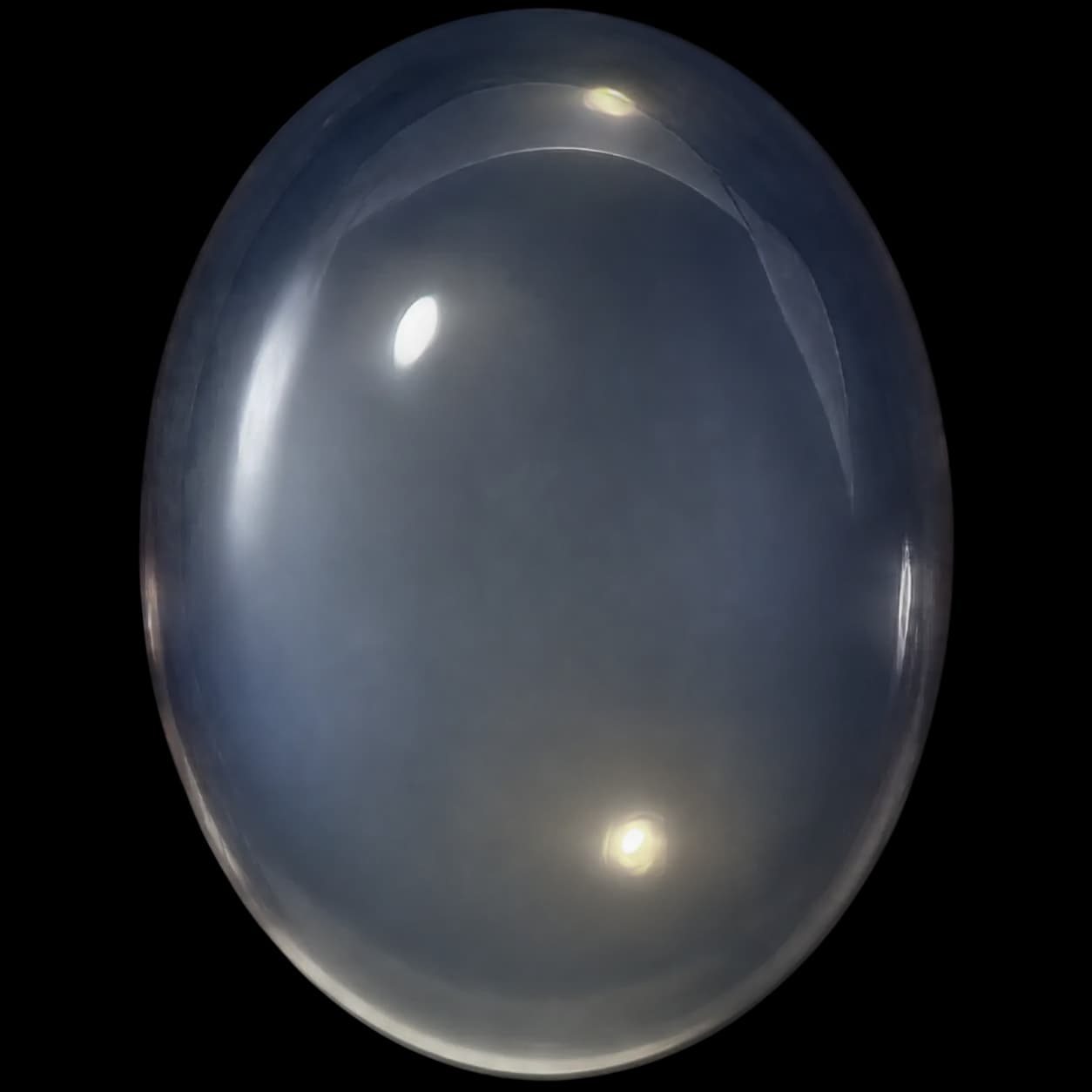
Moonstone is a captivating feldspar gemstone known for its soft glow and enchanting adularescence. Valued for its elegance, rarity, and timeless appeal, it is a favorite for distinctive jewelry designs.
Moonstone is a beautiful gemstone variety of feldspar, admired for its unique floating light effect known as adularescence. This optical phenomenon creates a soft, bluish or white glow that appears to move beneath the surface of the stone, giving Moonstone its signature appearance.
Moonstone belongs to the feldspar mineral group and is primarily composed of alternating layers of orthoclase and albite feldspar. It forms through slow cooling processes in igneous rocks, where microscopic mineral layers develop and create the gemstone’s characteristic light reflection.
Natural Moonstone has the chemical formula (Na,K)AlSi3O8. It has a Mohs hardness of 6 to 6.5, making it suitable for many jewelry applications but requiring careful handling. Moonstone displays a vitreous to pearly luster, perfect cleavage, and a monoclinic crystal structure.
Moonstone is commonly found in white, colorless, gray, peach, pink, and orange shades. Some exceptional specimens display a blue adularescent glow, which is highly valued among collectors. Rainbow Moonstone is another popular variety known for colorful flashes of light caused by internal structures.
Important Moonstone deposits are found in Sri Lanka, India, Madagascar, Tanzania, Myanmar, Brazil, and the United States. Sri Lankan Moonstones are especially recognized for their attractive blue sheen and transparency. Throughout history, Moonstone has been appreciated across different cultures for its unusual appearance and has remained popular in fine jewelry.
Moonstone is widely used in rings, earrings, necklaces, pendants, and bracelets. Its gentle glow makes it especially popular for elegant and artistic jewelry designs. Because of its delicate beauty, Moonstone is often chosen by collectors and jewelry lovers seeking a gemstone with a distinctive visual character.
Collectors and buyers appreciate Moonstone for its adularescence, natural charm, uniqueness, and connection to classic gemstone jewelry traditions. Each natural Moonstone has individual patterns and optical effects, making every piece different.
- Mineral Family
- Feldspar
- Chemical Formula
- (Na,K)AlSi3O8
- Mohs Hardness
- 6 - 6.5
- Refractive Index
- 1.518 - 1.526
- Specific Gravity
- 2.55 - 2.63
- Cleavage
- Perfect cleavage in two directions
- Crystal System
- Monoclinic
- Luster
- Pearly
- Color Range
- White, Gray, Blue, Orange, Pink
Choosing a high-quality Moonstone requires understanding several important factors.
Color and Adularescence: The most important feature of Moonstone is its adularescence. Stones with a strong, evenly distributed blue or white glow are generally considered more desirable. A clear contrast between the body color and the floating sheen can increase the gemstone’s appeal.
Clarity: Moonstone is naturally formed and may contain internal inclusions. Some inclusions are expected and can help confirm natural origin. Higher-quality stones typically have good transparency while maintaining a visible glow.
Cut: Moonstone is commonly shaped into cabochons because the smooth curved surface enhances adularescence. Skilled cutting helps maximize the gemstone’s optical effect and overall beauty.
Carat Weight: Larger Moonstones with attractive color, transparency, and strong adularescence are generally rarer and may command higher prices. Smaller stones are also popular for delicate jewelry designs.
Origin: Moonstone from Sri Lanka, Madagascar, India, and other recognized mining regions may vary in appearance and quality. Origin can influence value, especially when combined with exceptional optical properties.
Treatments and Natural vs Lab-Grown: Most Moonstones available in the market are natural gemstones. Some stones may be treated or enhanced to improve appearance, so buyers should request treatment disclosure. Lab-created imitations and glass substitutes exist and should not be confused with natural Moonstone.
Certification and Authenticity: When buying natural Moonstone, choose a trusted seller and request a gemstone certificate from a recognized gemological laboratory. Certification helps verify authenticity, gemstone identity, and any disclosed treatments.
Price Factors: Moonstone prices depend on adularescence quality, color, clarity, size, cut, origin, and certification. Stones with strong blue sheen and excellent transparency are usually more valuable.
Moonstone requires gentle care because of its moderate hardness and perfect cleavage.
Cleaning: Clean Moonstone jewelry using warm water, mild soap, and a soft cloth. Avoid harsh chemicals, abrasive cleaners, and aggressive brushing that may damage the surface.
Storage: Store Moonstone separately in a soft pouch or jewelry box to prevent scratches from harder gemstones such as diamonds and sapphires.
Everyday Wear Advice: Moonstone jewelry is suitable for regular wear with care, but rings and bracelets should be protected from impacts because the gemstone can chip along cleavage planes.
Things to Avoid: Avoid ultrasonic cleaners, steam cleaning, sudden temperature changes, strong chemicals, and prolonged exposure to harsh environments. Remove Moonstone jewelry before activities that may cause knocks or scratches.
Moonstone is a beautiful gemstone variety of feldspar, admired for its unique floating light effect known as adularescence. This optical phenomenon creates a soft, bluish or white glow that appears to move beneath the surface of the stone, giving Moonstone its signature appearance.
Moonstone belongs to the feldspar mineral group and is primarily composed of alternating layers of orthoclase and albite feldspar. It forms through slow cooling processes in igneous rocks, where microscopic mineral layers develop and create the gemstone’s characteristic light reflection.
Natural Moonstone has the chemical formula (Na,K)AlSi3O8. It has a Mohs hardness of 6 to 6.5, making it suitable for many jewelry applications but requiring careful handling. Moonstone displays a vitreous to pearly luster, perfect cleavage, and a monoclinic crystal structure.
Moonstone is commonly found in white, colorless, gray, peach, pink, and orange shades. Some exceptional specimens display a blue adularescent glow, which is highly valued among collectors. Rainbow Moonstone is another popular variety known for colorful flashes of light caused by internal structures.
Important Moonstone deposits are found in Sri Lanka, India, Madagascar, Tanzania, Myanmar, Brazil, and the United States. Sri Lankan Moonstones are especially recognized for their attractive blue sheen and transparency. Throughout history, Moonstone has been appreciated across different cultures for its unusual appearance and has remained popular in fine jewelry.
Moonstone is widely used in rings, earrings, necklaces, pendants, and bracelets. Its gentle glow makes it especially popular for elegant and artistic jewelry designs. Because of its delicate beauty, Moonstone is often chosen by collectors and jewelry lovers seeking a gemstone with a distinctive visual character.
Collectors and buyers appreciate Moonstone for its adularescence, natural charm, uniqueness, and connection to classic gemstone jewelry traditions. Each natural Moonstone has individual patterns and optical effects, making every piece different.
- Mineral Family
- Feldspar
- Chemical Formula
- (Na,K)AlSi3O8
- Mohs Hardness
- 6 - 6.5
- Refractive Index
- 1.518 - 1.526
- Specific Gravity
- 2.55 - 2.63
- Cleavage
- Perfect cleavage in two directions
- Crystal System
- Monoclinic
- Luster
- Pearly
- Color Range
- White, Gray, Blue, Orange, Pink
Choosing a high-quality Moonstone requires understanding several important factors.
Color and Adularescence: The most important feature of Moonstone is its adularescence. Stones with a strong, evenly distributed blue or white glow are generally considered more desirable. A clear contrast between the body color and the floating sheen can increase the gemstone’s appeal.
Clarity: Moonstone is naturally formed and may contain internal inclusions. Some inclusions are expected and can help confirm natural origin. Higher-quality stones typically have good transparency while maintaining a visible glow.
Cut: Moonstone is commonly shaped into cabochons because the smooth curved surface enhances adularescence. Skilled cutting helps maximize the gemstone’s optical effect and overall beauty.
Carat Weight: Larger Moonstones with attractive color, transparency, and strong adularescence are generally rarer and may command higher prices. Smaller stones are also popular for delicate jewelry designs.
Origin: Moonstone from Sri Lanka, Madagascar, India, and other recognized mining regions may vary in appearance and quality. Origin can influence value, especially when combined with exceptional optical properties.
Treatments and Natural vs Lab-Grown: Most Moonstones available in the market are natural gemstones. Some stones may be treated or enhanced to improve appearance, so buyers should request treatment disclosure. Lab-created imitations and glass substitutes exist and should not be confused with natural Moonstone.
Certification and Authenticity: When buying natural Moonstone, choose a trusted seller and request a gemstone certificate from a recognized gemological laboratory. Certification helps verify authenticity, gemstone identity, and any disclosed treatments.
Price Factors: Moonstone prices depend on adularescence quality, color, clarity, size, cut, origin, and certification. Stones with strong blue sheen and excellent transparency are usually more valuable.
Moonstone requires gentle care because of its moderate hardness and perfect cleavage.
Cleaning: Clean Moonstone jewelry using warm water, mild soap, and a soft cloth. Avoid harsh chemicals, abrasive cleaners, and aggressive brushing that may damage the surface.
Storage: Store Moonstone separately in a soft pouch or jewelry box to prevent scratches from harder gemstones such as diamonds and sapphires.
Everyday Wear Advice: Moonstone jewelry is suitable for regular wear with care, but rings and bracelets should be protected from impacts because the gemstone can chip along cleavage planes.
Things to Avoid: Avoid ultrasonic cleaners, steam cleaning, sudden temperature changes, strong chemicals, and prolonged exposure to harsh environments. Remove Moonstone jewelry before activities that may cause knocks or scratches.
Moonstone for Sale
No gems found
Try broadening your search or adjusting your filters.
Have a gem of your own? List it free - no fees