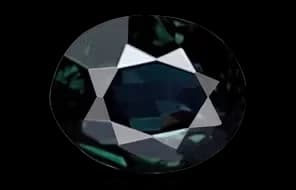
Indian Alexandrite
Indian Alexandrite is a rare color-changing gemstone prized for its green-to-red transformation, distinctive character, durability, and appeal in fine jewelry.
Indian Alexandrite is the color-changing variety of chrysoberyl, a rare gemstone known for shifting appearance under different light sources. In daylight or daylight-equivalent illumination, it can appear green to bluish green, while incandescent light can reveal purple, purplish-red, or red tones. This phenomenon is known as the alexandrite effect and results from the way trace chromium influences light absorption within the crystal. Alexandrite belongs to the chrysoberyl mineral family and has the chemical formula BeAl₂O₄. It crystallizes in the orthorhombic system, has a vitreous luster, a refractive index of approximately 1.746–1.755, a specific gravity of about 3.73, and a Mohs hardness of 8.5. It has no cleavage and generally offers excellent toughness, making it suitable for many jewelry applications. Indian Alexandrite has been documented from several parts of India, including areas of Tamil Nadu, Kerala, Madhya Pradesh, Odisha, and Andhra Pradesh. Indian material can show attractive green to bluish-green daylight colors and purple to red-purple incandescent colors, although the strength of color change varies significantly from one stone to another. Fine Indian specimens with strong color change and good clarity can be highly desirable. Alexandrite was first discovered in Russia's Ural Mountains in the 1830s and became famous for its dramatic color change. Russian material remains historically important, while modern alexandrite is also found in India, Brazil, Sri Lanka, East Africa, and other localities. Indian Alexandrite is valued by collectors and jewelry buyers for its rarity, optical character, natural origin, and distinctive geographic identity. In jewelry, it is commonly fashioned into rings, earrings, pendants, and collector pieces. Oval and mixed cuts are particularly useful for displaying the color-change phenomenon, while cabochons may be chosen when the material exhibits chatoyancy or a cat's-eye effect. The modern symbolic meaning of Alexandrite is often associated with transformation, contrast, and adaptability because its appearance changes with the light. These are cultural or aesthetic associations rather than scientific properties.
- Mineral Family
- Chrysoberyl
- Chemical Formula
- BeAl₂O₄
- Mohs Hardness
- 8.5
- Refractive Index
- 1.746 - 1.755
- Specific Gravity
- 3.73
- Cleavage
- None
- Crystal System
- Orthorhombic
- Luster
- Vitreous
- Color Range
- Green, Blue, Purple, Red
When buying Indian Alexandrite, evaluate the gemstone as a complete package rather than focusing only on its origin. Color change is the most important quality consideration. Fine stones can display a strong and attractive transition from green or bluish green in daylight to red, purplish red, or purple under incandescent light. The strength, coverage, and attractiveness of the change should be assessed under controlled lighting conditions. Clarity also affects value. Alexandrite can contain natural inclusions, and exceptionally clean stones are uncommon, particularly at larger sizes. A well-proportioned cut should balance weight retention, brilliance, transparency, and the visibility of the color change. Alexandrite is often seen in mixed cuts, with oval and cushion shapes among popular choices. Carat weight has a major influence on rarity and price because fine-quality larger stones are considerably scarcer than small gems. Origin can add interest and value, but an Indian designation should be supported by reliable documentation when origin is important to the purchase. A gemological laboratory may use advanced testing and trace-element analysis to assess geographic origin. Treatments should always be disclosed. Alexandrite is commonly encountered without treatment, but buyers should ask whether any clarity, color, or durability enhancement has been applied. Natural Alexandrite should also be distinguished from laboratory-grown synthetic Alexandrite and from imitations. Synthetic material can have similar chemical and optical properties to natural Alexandrite, so professional testing may be required for identification. A reputable independent laboratory report can document whether the stone is natural or synthetic and may provide an origin opinion where the laboratory offers that service. For authenticity, inspect the stone under multiple light sources, compare the reported weight and measurements with the actual gem, and request a report from a respected gemological laboratory for valuable purchases. Price depends on the strength and attractiveness of color change, body color, clarity, cut quality, carat weight, origin, treatment status, laboratory documentation, and overall rarity. Exceptionally strong color change combined with attractive colors, good transparency, and larger size can place a natural Indian Alexandrite in a premium market category.
Alexandrite is a durable gemstone with a Mohs hardness of 8.5, no cleavage, and excellent toughness, making it suitable for regular jewelry wear. For routine cleaning, use warm water, mild soap, and a soft brush or cloth. Rinse thoroughly and dry with a soft lint-free cloth. Alexandrite is generally stable under normal exposure to heat, light, and common chemicals, and professional gemological guidance considers ultrasonic and steam cleaning usually safe for untreated material. However, warm soapy water is the safest general choice, especially when the stone has fractures, fillings, or an unknown treatment history. Store Indian Alexandrite separately from diamonds and other harder materials to reduce the risk of surface abrasion. A fabric-lined jewelry box or individual soft pouch is ideal. Remove Alexandrite jewelry before activities involving hard impacts, heavy manual work, or harsh chemicals. Avoid direct contact with household cleaners, abrasive substances, and unnecessary exposure to cosmetics or perfumes. If the gemstone is fracture-filled or has undergone an undisclosed treatment, consult a professional jeweler or gemologist before using ultrasonic, steam, or heat-based cleaning. Regular professional inspection can also help ensure that the setting remains secure.
Indian Alexandrite is the color-changing variety of chrysoberyl, a rare gemstone known for shifting appearance under different light sources. In daylight or daylight-equivalent illumination, it can appear green to bluish green, while incandescent light can reveal purple, purplish-red, or red tones. This phenomenon is known as the alexandrite effect and results from the way trace chromium influences light absorption within the crystal. Alexandrite belongs to the chrysoberyl mineral family and has the chemical formula BeAl₂O₄. It crystallizes in the orthorhombic system, has a vitreous luster, a refractive index of approximately 1.746–1.755, a specific gravity of about 3.73, and a Mohs hardness of 8.5. It has no cleavage and generally offers excellent toughness, making it suitable for many jewelry applications. Indian Alexandrite has been documented from several parts of India, including areas of Tamil Nadu, Kerala, Madhya Pradesh, Odisha, and Andhra Pradesh. Indian material can show attractive green to bluish-green daylight colors and purple to red-purple incandescent colors, although the strength of color change varies significantly from one stone to another. Fine Indian specimens with strong color change and good clarity can be highly desirable. Alexandrite was first discovered in Russia's Ural Mountains in the 1830s and became famous for its dramatic color change. Russian material remains historically important, while modern alexandrite is also found in India, Brazil, Sri Lanka, East Africa, and other localities. Indian Alexandrite is valued by collectors and jewelry buyers for its rarity, optical character, natural origin, and distinctive geographic identity. In jewelry, it is commonly fashioned into rings, earrings, pendants, and collector pieces. Oval and mixed cuts are particularly useful for displaying the color-change phenomenon, while cabochons may be chosen when the material exhibits chatoyancy or a cat's-eye effect. The modern symbolic meaning of Alexandrite is often associated with transformation, contrast, and adaptability because its appearance changes with the light. These are cultural or aesthetic associations rather than scientific properties.
- Mineral Family
- Chrysoberyl
- Chemical Formula
- BeAl₂O₄
- Mohs Hardness
- 8.5
- Refractive Index
- 1.746 - 1.755
- Specific Gravity
- 3.73
- Cleavage
- None
- Crystal System
- Orthorhombic
- Luster
- Vitreous
- Color Range
- Green, Blue, Purple, Red
When buying Indian Alexandrite, evaluate the gemstone as a complete package rather than focusing only on its origin. Color change is the most important quality consideration. Fine stones can display a strong and attractive transition from green or bluish green in daylight to red, purplish red, or purple under incandescent light. The strength, coverage, and attractiveness of the change should be assessed under controlled lighting conditions. Clarity also affects value. Alexandrite can contain natural inclusions, and exceptionally clean stones are uncommon, particularly at larger sizes. A well-proportioned cut should balance weight retention, brilliance, transparency, and the visibility of the color change. Alexandrite is often seen in mixed cuts, with oval and cushion shapes among popular choices. Carat weight has a major influence on rarity and price because fine-quality larger stones are considerably scarcer than small gems. Origin can add interest and value, but an Indian designation should be supported by reliable documentation when origin is important to the purchase. A gemological laboratory may use advanced testing and trace-element analysis to assess geographic origin. Treatments should always be disclosed. Alexandrite is commonly encountered without treatment, but buyers should ask whether any clarity, color, or durability enhancement has been applied. Natural Alexandrite should also be distinguished from laboratory-grown synthetic Alexandrite and from imitations. Synthetic material can have similar chemical and optical properties to natural Alexandrite, so professional testing may be required for identification. A reputable independent laboratory report can document whether the stone is natural or synthetic and may provide an origin opinion where the laboratory offers that service. For authenticity, inspect the stone under multiple light sources, compare the reported weight and measurements with the actual gem, and request a report from a respected gemological laboratory for valuable purchases. Price depends on the strength and attractiveness of color change, body color, clarity, cut quality, carat weight, origin, treatment status, laboratory documentation, and overall rarity. Exceptionally strong color change combined with attractive colors, good transparency, and larger size can place a natural Indian Alexandrite in a premium market category.
Alexandrite is a durable gemstone with a Mohs hardness of 8.5, no cleavage, and excellent toughness, making it suitable for regular jewelry wear. For routine cleaning, use warm water, mild soap, and a soft brush or cloth. Rinse thoroughly and dry with a soft lint-free cloth. Alexandrite is generally stable under normal exposure to heat, light, and common chemicals, and professional gemological guidance considers ultrasonic and steam cleaning usually safe for untreated material. However, warm soapy water is the safest general choice, especially when the stone has fractures, fillings, or an unknown treatment history. Store Indian Alexandrite separately from diamonds and other harder materials to reduce the risk of surface abrasion. A fabric-lined jewelry box or individual soft pouch is ideal. Remove Alexandrite jewelry before activities involving hard impacts, heavy manual work, or harsh chemicals. Avoid direct contact with household cleaners, abrasive substances, and unnecessary exposure to cosmetics or perfumes. If the gemstone is fracture-filled or has undergone an undisclosed treatment, consult a professional jeweler or gemologist before using ultrasonic, steam, or heat-based cleaning. Regular professional inspection can also help ensure that the setting remains secure.
Indian Alexandrite for Sale
No gems found
Try broadening your search or adjusting your filters.
Have a gem of your own? List it free - no fees