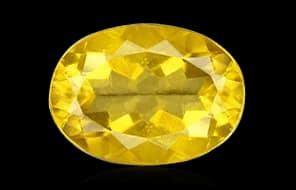
Yellow Fluorite
Yellow fluorite is admired for its warm golden hues, glassy luster and distinctive crystal character. Its vibrant color and affordability make it an appealing choice for collectors and jewelry lovers.
Yellow fluorite is a transparent to translucent variety of fluorite, a calcium fluoride mineral valued for its attractive colors and well-formed crystals. Fluorite belongs to the halide mineral family and crystallizes in the cubic crystal system. Its chemical formula is CaF2, with a Mohs hardness of 4, refractive index of approximately 1.433-1.448, specific gravity of about 3.18, vitreous luster and perfect octahedral cleavage. Yellow fluorite can range from pale lemon and soft yellow to rich golden and honey-like tones. Color zoning is common, and some specimens may display bands or contrasting areas of color. Fluorite forms when fluorine-rich hydrothermal fluids interact with suitable rocks, commonly filling veins and cavities alongside minerals such as quartz, calcite and barite. Important fluorite-producing regions include China, Mexico, Mongolia, South Africa, the United States, Spain and other mineral-producing areas worldwide. Fluorite has a long history as a collectible mineral because of its colorful crystals, distinctive cubic forms and strong fluorescence under suitable ultraviolet light. Fine yellow crystals are particularly attractive to mineral collectors. In jewelry, yellow fluorite is most often fashioned as cabochons, beads, carvings and carefully cut faceted stones. Because fluorite is relatively soft and has perfect cleavage, it requires more care than durable jewelry gemstones such as sapphire or quartz. Buyers value natural yellow fluorite for its color, transparency, crystal character, affordability and collector appeal.
- Mineral Family
- Fluorite
- Chemical Formula
- CaF2
- Mohs Hardness
- 4
- Refractive Index
- 1.433 - 1.448
- Specific Gravity
- 3.18
- Cleavage
- Perfect octahedral
- Crystal System
- Cubic
- Luster
- Vitreous
- Color Range
- Yellow
When buying yellow fluorite, begin with color. Attractive stones commonly show clean yellow, golden-yellow or honey tones, while strong zoning can add visual interest for collectors. Clarity is also important: transparent material with good visual cleanliness is generally more desirable for faceted jewelry, although natural inclusions and internal features can contribute to a specimen's character. Cut should suit fluorite's softness and cleavage. Simple faceting, cabochons and polished forms are practical choices, while intricate cuts require careful handling. Carat weight can affect the price, but size alone does not determine value because fluorite is relatively abundant. Origin may add collector interest when a locality is known for distinctive color, crystal form or specimen quality, but origin should not be treated as a guarantee of quality. Treatments should always be disclosed by the seller. Natural fluorite should be clearly distinguished from synthetic or imitation material, particularly when a piece is marketed as a collectible or fine gemstone. A reputable seller should provide accurate information about whether the material is natural and whether any treatments have been applied. For higher-value specimens, an independent gem or mineral laboratory report can provide additional confidence. Authenticity is best assessed through a combination of mineral properties, appearance, testing and reliable documentation rather than color alone. Yellow fluorite pricing is influenced by color, transparency, size, cut, condition, crystal quality, locality, rarity of the particular specimen and overall market demand. If you plan to buy yellow fluorite online, request clear photographs, exact dimensions or carat weight, treatment information and an accurate description of any chips, fractures or inclusions.
Yellow fluorite requires gentle care because its Mohs hardness of 4 and perfect octahedral cleavage make it vulnerable to scratches, chips and breakage. Clean it with lukewarm water, a soft cloth and, when necessary, a small amount of mild soap. Rinse thoroughly and dry gently. Avoid ultrasonic cleaners, steam cleaning, harsh chemicals and abrasive materials unless a qualified professional confirms that the specific piece is suitable. Store yellow fluorite separately from harder gemstones such as sapphire, ruby, topaz and quartz to prevent scratching. A soft individual pouch or lined compartment is ideal. For everyday jewelry, choose protective settings and avoid wearing fluorite rings during activities involving impact, pressure or household work. Keep the stone away from sudden temperature changes and strong knocks. With thoughtful handling, yellow fluorite can retain its attractive color and polish for many years.
Yellow fluorite is a transparent to translucent variety of fluorite, a calcium fluoride mineral valued for its attractive colors and well-formed crystals. Fluorite belongs to the halide mineral family and crystallizes in the cubic crystal system. Its chemical formula is CaF2, with a Mohs hardness of 4, refractive index of approximately 1.433-1.448, specific gravity of about 3.18, vitreous luster and perfect octahedral cleavage. Yellow fluorite can range from pale lemon and soft yellow to rich golden and honey-like tones. Color zoning is common, and some specimens may display bands or contrasting areas of color. Fluorite forms when fluorine-rich hydrothermal fluids interact with suitable rocks, commonly filling veins and cavities alongside minerals such as quartz, calcite and barite. Important fluorite-producing regions include China, Mexico, Mongolia, South Africa, the United States, Spain and other mineral-producing areas worldwide. Fluorite has a long history as a collectible mineral because of its colorful crystals, distinctive cubic forms and strong fluorescence under suitable ultraviolet light. Fine yellow crystals are particularly attractive to mineral collectors. In jewelry, yellow fluorite is most often fashioned as cabochons, beads, carvings and carefully cut faceted stones. Because fluorite is relatively soft and has perfect cleavage, it requires more care than durable jewelry gemstones such as sapphire or quartz. Buyers value natural yellow fluorite for its color, transparency, crystal character, affordability and collector appeal.
- Mineral Family
- Fluorite
- Chemical Formula
- CaF2
- Mohs Hardness
- 4
- Refractive Index
- 1.433 - 1.448
- Specific Gravity
- 3.18
- Cleavage
- Perfect octahedral
- Crystal System
- Cubic
- Luster
- Vitreous
- Color Range
- Yellow
When buying yellow fluorite, begin with color. Attractive stones commonly show clean yellow, golden-yellow or honey tones, while strong zoning can add visual interest for collectors. Clarity is also important: transparent material with good visual cleanliness is generally more desirable for faceted jewelry, although natural inclusions and internal features can contribute to a specimen's character. Cut should suit fluorite's softness and cleavage. Simple faceting, cabochons and polished forms are practical choices, while intricate cuts require careful handling. Carat weight can affect the price, but size alone does not determine value because fluorite is relatively abundant. Origin may add collector interest when a locality is known for distinctive color, crystal form or specimen quality, but origin should not be treated as a guarantee of quality. Treatments should always be disclosed by the seller. Natural fluorite should be clearly distinguished from synthetic or imitation material, particularly when a piece is marketed as a collectible or fine gemstone. A reputable seller should provide accurate information about whether the material is natural and whether any treatments have been applied. For higher-value specimens, an independent gem or mineral laboratory report can provide additional confidence. Authenticity is best assessed through a combination of mineral properties, appearance, testing and reliable documentation rather than color alone. Yellow fluorite pricing is influenced by color, transparency, size, cut, condition, crystal quality, locality, rarity of the particular specimen and overall market demand. If you plan to buy yellow fluorite online, request clear photographs, exact dimensions or carat weight, treatment information and an accurate description of any chips, fractures or inclusions.
Yellow fluorite requires gentle care because its Mohs hardness of 4 and perfect octahedral cleavage make it vulnerable to scratches, chips and breakage. Clean it with lukewarm water, a soft cloth and, when necessary, a small amount of mild soap. Rinse thoroughly and dry gently. Avoid ultrasonic cleaners, steam cleaning, harsh chemicals and abrasive materials unless a qualified professional confirms that the specific piece is suitable. Store yellow fluorite separately from harder gemstones such as sapphire, ruby, topaz and quartz to prevent scratching. A soft individual pouch or lined compartment is ideal. For everyday jewelry, choose protective settings and avoid wearing fluorite rings during activities involving impact, pressure or household work. Keep the stone away from sudden temperature changes and strong knocks. With thoughtful handling, yellow fluorite can retain its attractive color and polish for many years.
Yellow Fluorite for Sale
No gems found
Try broadening your search or adjusting your filters.
Have a gem of your own? List it free - no fees