Fluorite
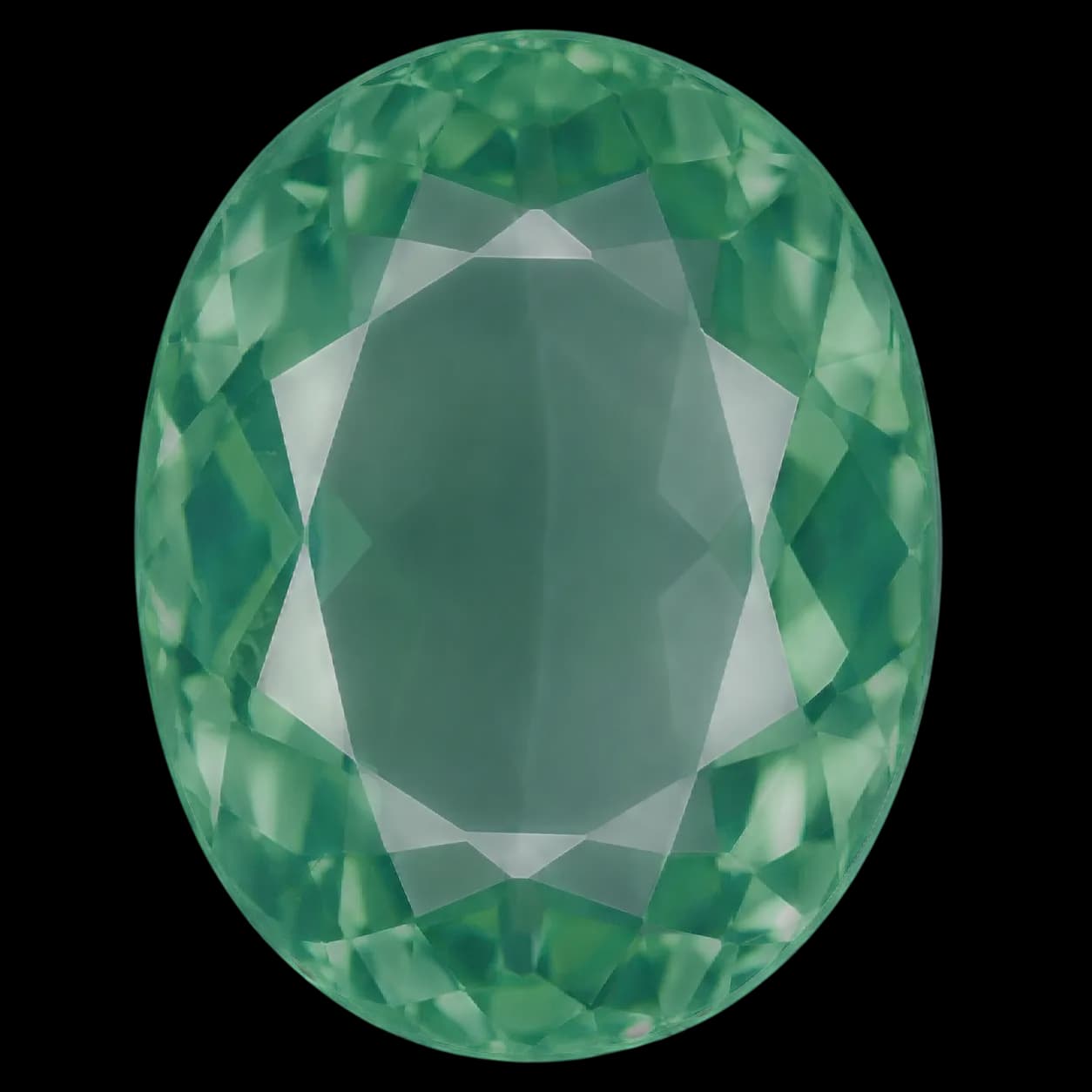
Fluorite gemstone is admired for its vibrant colors, exceptional clarity, and distinctive crystal formations. From purple and green gems to rainbow varieties, Fluorite adds unique character to jewelry and collections.
Fluorite is a colorful gemstone variety of the halide mineral family and is composed of calcium fluoride (CaF₂). Known as one of the most visually diverse minerals, Fluorite occurs in an extraordinary range of colors including purple, green, blue, yellow, pink, white, black, and multicolored combinations.
Natural Fluorite forms in hydrothermal veins and cavities within rocks, where mineral-rich fluids allow crystals to develop over time. It commonly occurs alongside minerals such as quartz, calcite, barite, and galena. Fluorite crystals are often found in attractive cubic or octahedral shapes due to their cubic crystal system.
With a Mohs hardness of 4, Fluorite is softer than many traditional jewelry gemstones, making it better suited for earrings, pendants, and occasional-wear rings rather than everyday jewelry exposed to frequent impact. Its vitreous luster, transparency, and strong color variety make it highly desirable among gemstone enthusiasts and mineral collectors.
Popular Fluorite varieties include Purple Fluorite, Green Fluorite, Blue Fluorite, Rainbow Fluorite, and Blue John Fluorite. Blue John Fluorite, historically mined in Derbyshire, England, is especially valued for its distinctive purple, blue, and yellow banding patterns.
Fluorite has been appreciated throughout history for both ornamental and practical uses. Ancient civilizations used Fluorite carvings and decorative objects, while today it remains popular among collectors, designers, and jewelry makers seeking unique natural gemstones.
Buyers value natural Fluorite gemstone for its wide color selection, affordability, fascinating crystal structures, and ability to create distinctive Fluorite jewelry pieces with a natural artistic appeal.
- Mineral Family
- Fluorite
- Chemical Formula
- CaF₂
- Mohs Hardness
- 4
- Refractive Index
- 1.433 - 1.448
- Specific Gravity
- 3.18
- Cleavage
- Perfect cleavage in four directions
- Crystal System
- Cubic
- Luster
- Vitreous
- Color Range
- Purple, Green, Blue, Yellow, Pink, White, Black
When buying Fluorite gemstone, quality is mainly evaluated through color, clarity, cut, carat weight, origin, and authenticity.
Color: Fluorite is famous for its exceptional color range. The most desirable stones often display vivid, evenly distributed colors with strong visual appeal. Purple, green, blue, and multicolored Fluorite varieties are especially popular among collectors and jewelry buyers.
Clarity: High-quality Fluorite can display excellent transparency and brilliance. Natural inclusions, color zoning, fractures, and internal features may occur and can influence the gemstone's appearance and value.
Cut: Because Fluorite has relatively low hardness, it requires careful cutting and handling. It is commonly available as cabochons, faceted gems, carvings, and collector specimens. Well-executed cuts can enhance its color and transparency.
Carat: Fluorite is available in a wide range of sizes, and larger specimens are relatively common. Value depends more on exceptional color, clarity, crystal quality, and rarity than simply size.
Origin: Important Fluorite sources include China, Mexico, England, Namibia, Mongolia, Russia, and the United States. Certain origins, such as Derbyshire Blue John Fluorite, are highly collectible due to their unique appearance and historical importance.
Treatments: Most Fluorite gemstones are valued in their natural state and typically do not require enhancement. Buyers should ask whether any treatments or alterations have been applied before purchase.
Natural vs Lab-Grown: Natural Fluorite is widely available and prized for its unique formations and natural color patterns. Lab-created Fluorite is less common in the gemstone market.
Certification: A gemstone certificate from a reputable gemological laboratory can help confirm authenticity, identity, and any disclosed treatments. When you buy Fluorite online, choose sellers who provide transparent gemstone details and reliable documentation.
Fluorite requires careful handling because it has a Mohs hardness of 4 and can scratch or chip more easily than harder gemstones.
Cleaning: Clean Fluorite jewelry gently using lukewarm water, mild soap, and a soft cloth. Avoid harsh chemicals, ultrasonic cleaners, and steam cleaning, as they may damage the stone.
Storage: Store Fluorite separately from harder gemstones such as sapphire, ruby, or diamond to prevent scratches. A soft pouch or lined jewelry box is recommended.
Everyday Wear: Fluorite jewelry is best suited for earrings, pendants, and occasional-wear pieces. Rings should be worn carefully, especially during activities where the gemstone may experience impact.
Avoid: Protect Fluorite from sudden temperature changes, strong chemicals, rough surfaces, and accidental knocks to maintain its natural beauty.
Fluorite is a colorful gemstone variety of the halide mineral family and is composed of calcium fluoride (CaF₂). Known as one of the most visually diverse minerals, Fluorite occurs in an extraordinary range of colors including purple, green, blue, yellow, pink, white, black, and multicolored combinations.
Natural Fluorite forms in hydrothermal veins and cavities within rocks, where mineral-rich fluids allow crystals to develop over time. It commonly occurs alongside minerals such as quartz, calcite, barite, and galena. Fluorite crystals are often found in attractive cubic or octahedral shapes due to their cubic crystal system.
With a Mohs hardness of 4, Fluorite is softer than many traditional jewelry gemstones, making it better suited for earrings, pendants, and occasional-wear rings rather than everyday jewelry exposed to frequent impact. Its vitreous luster, transparency, and strong color variety make it highly desirable among gemstone enthusiasts and mineral collectors.
Popular Fluorite varieties include Purple Fluorite, Green Fluorite, Blue Fluorite, Rainbow Fluorite, and Blue John Fluorite. Blue John Fluorite, historically mined in Derbyshire, England, is especially valued for its distinctive purple, blue, and yellow banding patterns.
Fluorite has been appreciated throughout history for both ornamental and practical uses. Ancient civilizations used Fluorite carvings and decorative objects, while today it remains popular among collectors, designers, and jewelry makers seeking unique natural gemstones.
Buyers value natural Fluorite gemstone for its wide color selection, affordability, fascinating crystal structures, and ability to create distinctive Fluorite jewelry pieces with a natural artistic appeal.
- Mineral Family
- Fluorite
- Chemical Formula
- CaF₂
- Mohs Hardness
- 4
- Refractive Index
- 1.433 - 1.448
- Specific Gravity
- 3.18
- Cleavage
- Perfect cleavage in four directions
- Crystal System
- Cubic
- Luster
- Vitreous
- Color Range
- Purple, Green, Blue, Yellow, Pink, White, Black
When buying Fluorite gemstone, quality is mainly evaluated through color, clarity, cut, carat weight, origin, and authenticity.
Color: Fluorite is famous for its exceptional color range. The most desirable stones often display vivid, evenly distributed colors with strong visual appeal. Purple, green, blue, and multicolored Fluorite varieties are especially popular among collectors and jewelry buyers.
Clarity: High-quality Fluorite can display excellent transparency and brilliance. Natural inclusions, color zoning, fractures, and internal features may occur and can influence the gemstone's appearance and value.
Cut: Because Fluorite has relatively low hardness, it requires careful cutting and handling. It is commonly available as cabochons, faceted gems, carvings, and collector specimens. Well-executed cuts can enhance its color and transparency.
Carat: Fluorite is available in a wide range of sizes, and larger specimens are relatively common. Value depends more on exceptional color, clarity, crystal quality, and rarity than simply size.
Origin: Important Fluorite sources include China, Mexico, England, Namibia, Mongolia, Russia, and the United States. Certain origins, such as Derbyshire Blue John Fluorite, are highly collectible due to their unique appearance and historical importance.
Treatments: Most Fluorite gemstones are valued in their natural state and typically do not require enhancement. Buyers should ask whether any treatments or alterations have been applied before purchase.
Natural vs Lab-Grown: Natural Fluorite is widely available and prized for its unique formations and natural color patterns. Lab-created Fluorite is less common in the gemstone market.
Certification: A gemstone certificate from a reputable gemological laboratory can help confirm authenticity, identity, and any disclosed treatments. When you buy Fluorite online, choose sellers who provide transparent gemstone details and reliable documentation.
Fluorite requires careful handling because it has a Mohs hardness of 4 and can scratch or chip more easily than harder gemstones.
Cleaning: Clean Fluorite jewelry gently using lukewarm water, mild soap, and a soft cloth. Avoid harsh chemicals, ultrasonic cleaners, and steam cleaning, as they may damage the stone.
Storage: Store Fluorite separately from harder gemstones such as sapphire, ruby, or diamond to prevent scratches. A soft pouch or lined jewelry box is recommended.
Everyday Wear: Fluorite jewelry is best suited for earrings, pendants, and occasional-wear pieces. Rings should be worn carefully, especially during activities where the gemstone may experience impact.
Avoid: Protect Fluorite from sudden temperature changes, strong chemicals, rough surfaces, and accidental knocks to maintain its natural beauty.
Fluorite for Sale
No gems found
Try broadening your search or adjusting your filters.
Have a gem of your own? List it free - no fees