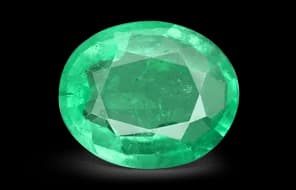
Ethiopian Emerald
Ethiopian emerald is a captivating natural emerald prized for vivid green color, distinctive inclusions, strong brilliance and its relatively recent emergence as an important African source.
Ethiopian emerald is a variety of natural beryl, the same mineral family that includes aquamarine and morganite. Its chemical formula is Be3Al2Si6O18, and its green color is principally associated with chromium and vanadium, with iron also influencing appearance in some material. The most important modern deposits are in southern Ethiopia, particularly around Shakiso in the Oromia Region, including areas near Kenticha and Dermi in the Seba Boru district. High-quality material from the Shakiso area began reaching international markets in late 2016, making Ethiopian emerald one of the newer significant emerald sources in the global trade. GIA examinations have documented large crystals and attractive faceted material, with Ethiopian emeralds showing gemological properties consistent with emerald and an average specific gravity around 2.73. Typical refractive indices reported for material from the major Shakiso discovery are approximately 1.581-1.589. Microscopic examination may reveal multiphase fluid inclusions, irregular biotite crystals and other mineral inclusions. As with emeralds from other origins, inclusions are common and can form part of the stone's natural character. Colors range from light to vivid green and may show yellowish or bluish secondary tones. Fine stones with strong saturation, attractive transparency and lively brilliance are particularly desirable. Ethiopian emerald can be faceted into emerald cuts, ovals, cushions and other shapes, while more included material may be fashioned as cabochons. Famous examples include large faceted and rough crystals documented from the Seba Boru discovery, including a 10.64-carat faceted stone reported by GIA. Today, Ethiopian emerald is used in fine rings, earrings, pendants and collector pieces. Buyers value it for its natural green color, emerging geographic identity, availability of impressive sizes and the opportunity to own material from a comparatively young emerald source. Geographic origin should be confirmed by a qualified gemological laboratory when it is important to the purchase.
- Mineral Family
- Beryl
- Chemical Formula
- Be3Al2Si6O18
- Mohs Hardness
- 7.5 - 8
- Refractive Index
- 1.581 - 1.589
- Specific Gravity
- 2.73
- Cleavage
- Indistinct
- Crystal System
- Hexagonal
- Luster
- Vitreous
- Color Range
- Green, Blue, Yellow
When buying Ethiopian emerald, begin with color. Vivid, attractive green with good saturation is generally more desirable than weak or overly grayish material, although personal preference and overall appearance matter. Clarity is also important, but emeralds commonly contain inclusions, so an exceptionally clean stone can be unusual. Look for inclusions that do not significantly reduce transparency, durability or visual appeal, and inspect any surface-reaching fractures carefully. Cut should maximize color, brilliance and weight retention while protecting the stone from excessive stress. Emerald cuts are classic, but oval, cushion, round and other designs can work beautifully depending on the rough. Carat weight affects price, and larger stones with strong color and good clarity can command substantially higher prices. Origin can influence value when independently documented, but Ethiopian origin should not automatically be treated as a guarantee of superior quality; the individual stone remains the most important consideration. Treatments are particularly relevant because emeralds are commonly clarity enhanced with oils or other fillers. Ask specifically whether a stone has been oiled, resin-filled or otherwise treated, and request disclosure in writing. Natural Ethiopian emerald means a mined emerald originating in Ethiopia; a laboratory-grown synthetic emerald is not an Ethiopian-origin gemstone even though it can have similar chemical and optical characteristics. For significant purchases, an independent laboratory report can help confirm that the stone is natural emerald and, where requested and possible, assess geographic origin and treatment. A credible report, consistent photographs, accurate weight and dimensions, and transparent treatment disclosure are important authenticity checks. Price depends on color, clarity, transparency, cut, carat weight, treatment status, provenance and market demand. Avoid judging value from origin alone or from unusually low online prices without laboratory documentation.
Clean Ethiopian emerald gently with lukewarm water, a small amount of mild soap and a soft brush or cloth. Rinse thoroughly and dry with a soft cloth. Because emerald commonly contains fractures and may have been clarity enhanced, avoid ultrasonic cleaners, steam cleaners and sudden temperature changes unless a qualified jeweler confirms they are appropriate for that specific stone. Store the gemstone separately from harder materials to prevent scratching, preferably in a soft-lined compartment or pouch. For rings, consider removing the emerald before heavy work, sports, gardening or activities involving impact. Avoid prolonged exposure to harsh chemicals, solvents, strong detergents and abrasive cleaning products. If the emerald has been oiled or filled, periodic professional inspection can help determine whether additional care or treatment is needed.
Ethiopian emerald is a variety of natural beryl, the same mineral family that includes aquamarine and morganite. Its chemical formula is Be3Al2Si6O18, and its green color is principally associated with chromium and vanadium, with iron also influencing appearance in some material. The most important modern deposits are in southern Ethiopia, particularly around Shakiso in the Oromia Region, including areas near Kenticha and Dermi in the Seba Boru district. High-quality material from the Shakiso area began reaching international markets in late 2016, making Ethiopian emerald one of the newer significant emerald sources in the global trade. GIA examinations have documented large crystals and attractive faceted material, with Ethiopian emeralds showing gemological properties consistent with emerald and an average specific gravity around 2.73. Typical refractive indices reported for material from the major Shakiso discovery are approximately 1.581-1.589. Microscopic examination may reveal multiphase fluid inclusions, irregular biotite crystals and other mineral inclusions. As with emeralds from other origins, inclusions are common and can form part of the stone's natural character. Colors range from light to vivid green and may show yellowish or bluish secondary tones. Fine stones with strong saturation, attractive transparency and lively brilliance are particularly desirable. Ethiopian emerald can be faceted into emerald cuts, ovals, cushions and other shapes, while more included material may be fashioned as cabochons. Famous examples include large faceted and rough crystals documented from the Seba Boru discovery, including a 10.64-carat faceted stone reported by GIA. Today, Ethiopian emerald is used in fine rings, earrings, pendants and collector pieces. Buyers value it for its natural green color, emerging geographic identity, availability of impressive sizes and the opportunity to own material from a comparatively young emerald source. Geographic origin should be confirmed by a qualified gemological laboratory when it is important to the purchase.
- Mineral Family
- Beryl
- Chemical Formula
- Be3Al2Si6O18
- Mohs Hardness
- 7.5 - 8
- Refractive Index
- 1.581 - 1.589
- Specific Gravity
- 2.73
- Cleavage
- Indistinct
- Crystal System
- Hexagonal
- Luster
- Vitreous
- Color Range
- Green, Blue, Yellow
When buying Ethiopian emerald, begin with color. Vivid, attractive green with good saturation is generally more desirable than weak or overly grayish material, although personal preference and overall appearance matter. Clarity is also important, but emeralds commonly contain inclusions, so an exceptionally clean stone can be unusual. Look for inclusions that do not significantly reduce transparency, durability or visual appeal, and inspect any surface-reaching fractures carefully. Cut should maximize color, brilliance and weight retention while protecting the stone from excessive stress. Emerald cuts are classic, but oval, cushion, round and other designs can work beautifully depending on the rough. Carat weight affects price, and larger stones with strong color and good clarity can command substantially higher prices. Origin can influence value when independently documented, but Ethiopian origin should not automatically be treated as a guarantee of superior quality; the individual stone remains the most important consideration. Treatments are particularly relevant because emeralds are commonly clarity enhanced with oils or other fillers. Ask specifically whether a stone has been oiled, resin-filled or otherwise treated, and request disclosure in writing. Natural Ethiopian emerald means a mined emerald originating in Ethiopia; a laboratory-grown synthetic emerald is not an Ethiopian-origin gemstone even though it can have similar chemical and optical characteristics. For significant purchases, an independent laboratory report can help confirm that the stone is natural emerald and, where requested and possible, assess geographic origin and treatment. A credible report, consistent photographs, accurate weight and dimensions, and transparent treatment disclosure are important authenticity checks. Price depends on color, clarity, transparency, cut, carat weight, treatment status, provenance and market demand. Avoid judging value from origin alone or from unusually low online prices without laboratory documentation.
Clean Ethiopian emerald gently with lukewarm water, a small amount of mild soap and a soft brush or cloth. Rinse thoroughly and dry with a soft cloth. Because emerald commonly contains fractures and may have been clarity enhanced, avoid ultrasonic cleaners, steam cleaners and sudden temperature changes unless a qualified jeweler confirms they are appropriate for that specific stone. Store the gemstone separately from harder materials to prevent scratching, preferably in a soft-lined compartment or pouch. For rings, consider removing the emerald before heavy work, sports, gardening or activities involving impact. Avoid prolonged exposure to harsh chemicals, solvents, strong detergents and abrasive cleaning products. If the emerald has been oiled or filled, periodic professional inspection can help determine whether additional care or treatment is needed.
Ethiopian Emerald for Sale
No gems found
Try broadening your search or adjusting your filters.
Have a gem of your own? List it free - no fees