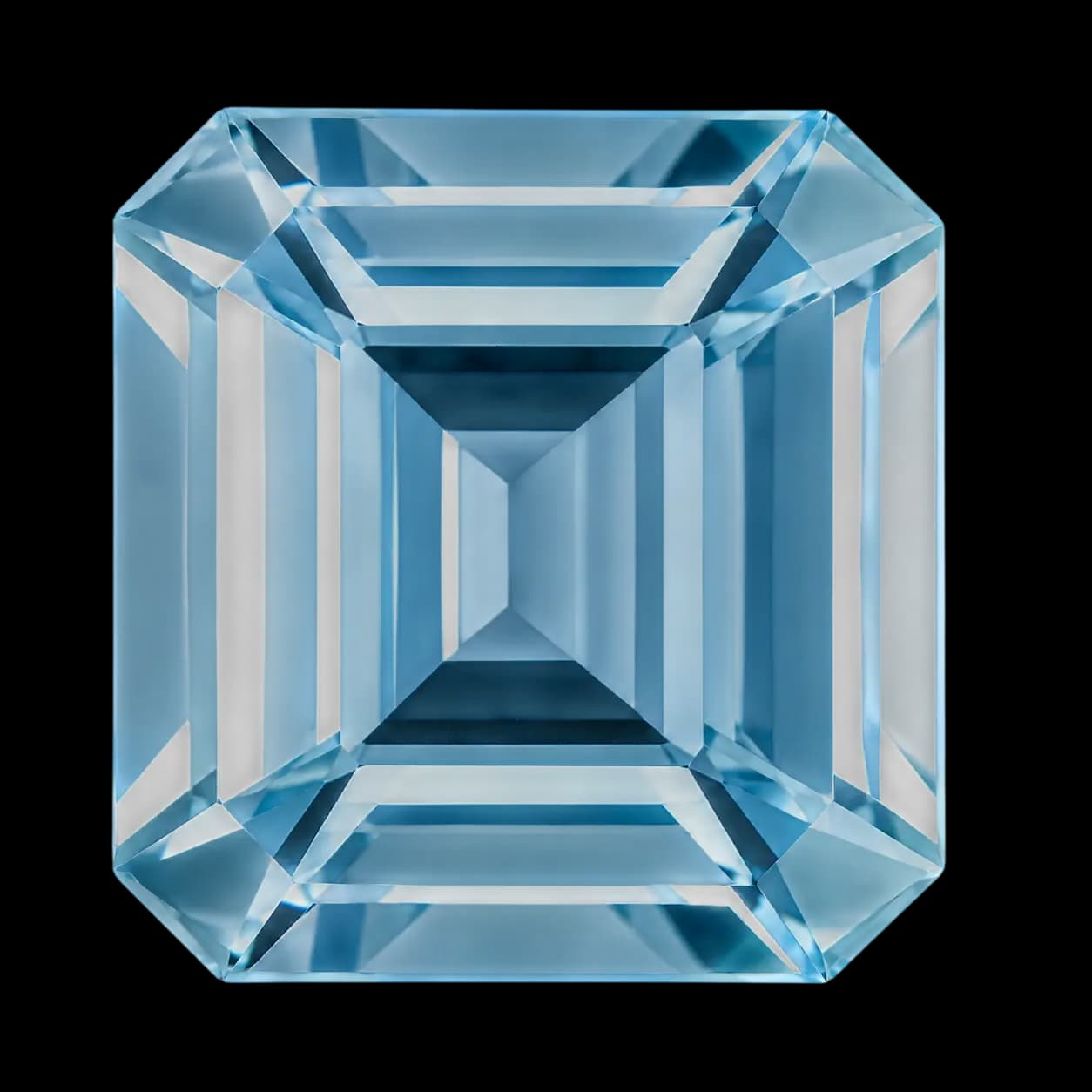
Aquamarine
Aquamarine is a captivating blue to blue-green gemstone from the beryl family, admired for its ocean-like color, excellent clarity, durability, and timeless appeal in fine jewelry.
Aquamarine is a beautiful variety of the mineral beryl, the same mineral family that includes emerald. Its name comes from the Latin words meaning “water of the sea,” inspired by its calm blue and blue-green appearance.
Aquamarine forms deep within the Earth through geological processes involving beryllium-rich minerals and silica-bearing rocks. Trace amounts of iron within its crystal structure create its characteristic blue coloration.
With a chemical composition of beryllium aluminum silicate (Be3Al2Si6O18), aquamarine has a Mohs hardness of 7.5 to 8, making it a durable gemstone suitable for rings, earrings, pendants, and bracelets. It has a vitreous luster, excellent transparency, and a hexagonal crystal structure.
Aquamarine colors range from very light blue and pastel shades to vivid ocean blue and slightly greenish-blue tones. Deep, saturated blue aquamarines are generally considered more desirable and valuable.
Famous aquamarines include the Dom Pedro Aquamarine, one of the largest gem-quality aquamarines ever discovered, now displayed at the Smithsonian Institution. Significant deposits have been found in Brazil, Madagascar, Mozambique, Nigeria, Pakistan, Zambia, and other locations.
Throughout history, aquamarine has been admired as a gemstone connected with the sea. Ancient sailors valued it as a beautiful talisman, while today it remains a popular choice for luxury jewelry because of its elegant color, clarity, and wearable durability.
Modern buyers choose aquamarine jewelry for its refreshing blue tones and sophisticated appearance. Whether used in engagement rings, necklaces, earrings, or collector pieces, natural aquamarine continues to be valued for its beauty and individuality.
- Mineral Family
- Beryl
- Chemical Formula
- Be3Al2Si6O18
- Mohs Hardness
- 7.5 - 8
- Refractive Index
- 1.577 - 1.583
- Specific Gravity
- 2.68 - 2.80
- Cleavage
- Poor to indistinct
- Crystal System
- Hexagonal
- Luster
- Vitreous
- Color Range
- Blue, Cyan, Green
When buying natural Aquamarine, several factors influence quality, appearance, and value.
Color: Color is the most important factor when evaluating aquamarine. The most desirable stones display a strong, pure blue color with good saturation. Very pale stones are more common, while intense blue aquamarines are rarer and typically command higher prices.
Clarity: Aquamarine is usually a transparent gemstone with excellent clarity. Many fine-quality stones are eye-clean, meaning visible inclusions are minimal. Stones with high transparency and fewer inclusions are generally more valuable.
Cut: A well-executed cut enhances aquamarine’s natural brilliance and color. Common cuts include oval, emerald, cushion, pear, and rectangular shapes. Skilled cutting helps maximize the stone’s brightness and visual appeal.
Carat Weight: Aquamarine is available in a wide range of sizes, including large collector-quality specimens. Larger stones with strong color and clarity can be significantly more valuable.
Origin: Important aquamarine sources include Brazil, Madagascar, Mozambique, Nigeria, Pakistan, and Zambia. Brazilian aquamarines are especially recognized for producing fine-quality material with attractive blue colors and excellent clarity.
Treatments: Most aquamarines available in the market may undergo heat treatment to enhance blue color by reducing green or yellow tones. Heat treatment should always be disclosed by reputable sellers.
Natural vs Lab-Grown: Natural aquamarine forms through geological processes over millions of years. Lab-grown beryl can resemble aquamarine visually, so buyers should request proper disclosure and certification.
Certification and Authenticity: A reputable gemological certificate helps verify gemstone identity, treatments, and characteristics. When purchasing valuable aquamarine, always choose trusted sellers and request laboratory documentation.
Price Factors: Aquamarine price depends on color intensity, clarity, cut quality, carat size, origin, treatment status, and certification. Premium blue stones with excellent transparency are the most sought after.
Aquamarine is a durable gemstone suitable for everyday jewelry, but proper care helps maintain its beauty.
Clean aquamarine using warm water, mild soap, and a soft brush or cloth. Gently remove dirt and rinse thoroughly before drying with a soft cloth.
Store aquamarine jewelry separately in a fabric-lined box or soft pouch to prevent scratches from harder gemstones. Avoid placing it directly with diamonds, sapphires, or other harder materials.
Avoid exposure to harsh chemicals, strong cleaning agents, and sudden temperature changes. Although aquamarine is durable, excessive impact can cause damage due to its crystal structure.
Regular professional inspection is recommended for jewelry pieces with settings such as rings and bracelets to ensure stones remain secure.
Aquamarine is a beautiful variety of the mineral beryl, the same mineral family that includes emerald. Its name comes from the Latin words meaning “water of the sea,” inspired by its calm blue and blue-green appearance.
Aquamarine forms deep within the Earth through geological processes involving beryllium-rich minerals and silica-bearing rocks. Trace amounts of iron within its crystal structure create its characteristic blue coloration.
With a chemical composition of beryllium aluminum silicate (Be3Al2Si6O18), aquamarine has a Mohs hardness of 7.5 to 8, making it a durable gemstone suitable for rings, earrings, pendants, and bracelets. It has a vitreous luster, excellent transparency, and a hexagonal crystal structure.
Aquamarine colors range from very light blue and pastel shades to vivid ocean blue and slightly greenish-blue tones. Deep, saturated blue aquamarines are generally considered more desirable and valuable.
Famous aquamarines include the Dom Pedro Aquamarine, one of the largest gem-quality aquamarines ever discovered, now displayed at the Smithsonian Institution. Significant deposits have been found in Brazil, Madagascar, Mozambique, Nigeria, Pakistan, Zambia, and other locations.
Throughout history, aquamarine has been admired as a gemstone connected with the sea. Ancient sailors valued it as a beautiful talisman, while today it remains a popular choice for luxury jewelry because of its elegant color, clarity, and wearable durability.
Modern buyers choose aquamarine jewelry for its refreshing blue tones and sophisticated appearance. Whether used in engagement rings, necklaces, earrings, or collector pieces, natural aquamarine continues to be valued for its beauty and individuality.
- Mineral Family
- Beryl
- Chemical Formula
- Be3Al2Si6O18
- Mohs Hardness
- 7.5 - 8
- Refractive Index
- 1.577 - 1.583
- Specific Gravity
- 2.68 - 2.80
- Cleavage
- Poor to indistinct
- Crystal System
- Hexagonal
- Luster
- Vitreous
- Color Range
- Blue, Cyan, Green
When buying natural Aquamarine, several factors influence quality, appearance, and value.
Color: Color is the most important factor when evaluating aquamarine. The most desirable stones display a strong, pure blue color with good saturation. Very pale stones are more common, while intense blue aquamarines are rarer and typically command higher prices.
Clarity: Aquamarine is usually a transparent gemstone with excellent clarity. Many fine-quality stones are eye-clean, meaning visible inclusions are minimal. Stones with high transparency and fewer inclusions are generally more valuable.
Cut: A well-executed cut enhances aquamarine’s natural brilliance and color. Common cuts include oval, emerald, cushion, pear, and rectangular shapes. Skilled cutting helps maximize the stone’s brightness and visual appeal.
Carat Weight: Aquamarine is available in a wide range of sizes, including large collector-quality specimens. Larger stones with strong color and clarity can be significantly more valuable.
Origin: Important aquamarine sources include Brazil, Madagascar, Mozambique, Nigeria, Pakistan, and Zambia. Brazilian aquamarines are especially recognized for producing fine-quality material with attractive blue colors and excellent clarity.
Treatments: Most aquamarines available in the market may undergo heat treatment to enhance blue color by reducing green or yellow tones. Heat treatment should always be disclosed by reputable sellers.
Natural vs Lab-Grown: Natural aquamarine forms through geological processes over millions of years. Lab-grown beryl can resemble aquamarine visually, so buyers should request proper disclosure and certification.
Certification and Authenticity: A reputable gemological certificate helps verify gemstone identity, treatments, and characteristics. When purchasing valuable aquamarine, always choose trusted sellers and request laboratory documentation.
Price Factors: Aquamarine price depends on color intensity, clarity, cut quality, carat size, origin, treatment status, and certification. Premium blue stones with excellent transparency are the most sought after.
Aquamarine is a durable gemstone suitable for everyday jewelry, but proper care helps maintain its beauty.
Clean aquamarine using warm water, mild soap, and a soft brush or cloth. Gently remove dirt and rinse thoroughly before drying with a soft cloth.
Store aquamarine jewelry separately in a fabric-lined box or soft pouch to prevent scratches from harder gemstones. Avoid placing it directly with diamonds, sapphires, or other harder materials.
Avoid exposure to harsh chemicals, strong cleaning agents, and sudden temperature changes. Although aquamarine is durable, excessive impact can cause damage due to its crystal structure.
Regular professional inspection is recommended for jewelry pieces with settings such as rings and bracelets to ensure stones remain secure.
Aquamarine for Sale
No gems found
Try broadening your search or adjusting your filters.
Have a gem of your own? List it free - no fees