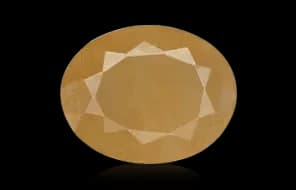
Yellow Aventurine
Yellow Aventurine is a warm-toned quartz-rich gemstone material valued for its soft yellow color, subtle aventurescence, natural texture, and approachable jewelry appeal.
Yellow Aventurine is a yellow variety of aventurine, a quartz-rich gemstone material known for its characteristic shimmer from reflective mineral inclusions. Aventurine is commonly described as a fine-grained quartzite rather than a single transparent quartz crystal, so its exact appearance and physical properties can vary with its mineral composition and inclusions. Yellow examples range from pale yellow to warm golden shades and may show a soft, sparkling effect across a polished surface.
Aventurine belongs to the quartz family and is composed predominantly of silicon dioxide (SiO2). Its aventurescence is produced by reflective plate-like inclusions, which can include mica and other minerals. In yellow material, the color may be associated with mineral inclusions or color centers within the quartz-rich matrix. Unlike transparent faceted quartz varieties, Yellow Aventurine is typically translucent to opaque and is appreciated primarily for its texture, color, and natural shimmer.
With a typical hardness around 6.5-7 on the Mohs scale, Yellow Aventurine is reasonably durable for jewelry but should still be protected from hard impacts and abrasive materials. Quartz has no cleavage and generally shows conchoidal fracture. Its optical properties are commonly close to those of quartz, with a refractive index around 1.544-1.553 and specific gravity around 2.65-2.66, although measurements can vary because aventurine is a fine-grained aggregate rather than a perfectly uniform quartz crystal.
Yellow Aventurine is most commonly fashioned into cabochons, beads, carvings, polished freeforms, and ornamental pieces. Cabochon cutting is particularly effective because it emphasizes the material's smooth surface, body color, and aventurescence rather than requiring the transparency expected from faceted gemstones. It can be used in rings, pendants, earrings, bracelets, necklaces, and decorative jewelry.
Aventurine has been used as an ornamental material for centuries, with notable deposits and commercial material occurring in countries including India, Brazil, Austria, and other regions. The name aventurine is associated with the Italian phrase 'a ventura', meaning 'by chance', linked to the accidental discovery of aventurine glass in the seventeenth century.
Today, Yellow Aventurine jewelry appeals to buyers who prefer natural-looking gemstones with understated color and texture. Its warm yellow palette pairs easily with yellow gold, silver, and contemporary mixed-metal designs. Buyers value it for its distinctive aventurescence, accessible price point, natural variation, and suitability for casual and artistic jewelry designs.
- Mineral Family
- Quartz
- Chemical Formula
- SiO2
- Mohs Hardness
- 6.5 - 7
- Refractive Index
- 1.544 - 1.553
- Specific Gravity
- 2.65 - 2.66
- Cleavage
- None
- Crystal System
- Trigonal
- Luster
- Vitreous
- Color Range
- Yellow
When buying Yellow Aventurine online, focus on the material's overall appearance, natural character, and workmanship rather than expecting the same grading standards used for transparent faceted gemstones.
Color: Look for an attractive, even yellow to golden-yellow body color that suits your preference. Pale yellow, warm honey, and richer golden tones can all be appealing. Color should be assessed together with the stone's natural texture and inclusions.
Clarity and aventurescence: Yellow Aventurine is generally translucent to opaque, so traditional gemstone clarity grading is not especially useful. Instead, inspect the distribution of reflective inclusions, natural texture, and overall consistency. A pleasing aventurescent effect can add visual interest, while excessive patchiness or distracting fractures may reduce appeal.
Cut and polish: Cabochons, beads, rounds, ovals, freeforms, and carved shapes are common. A good polish should produce a smooth surface and allow the stone's color and reflective inclusions to be seen clearly. Poor polishing can make the material look dull or uneven.
Carat and size: Aventurine is relatively accessible, so larger pieces are available without the extreme price premiums associated with rare transparent gemstones. Size can still affect the price of finished jewelry, especially when the material has attractive color, consistent texture, and high-quality workmanship.
Origin: Aventurine occurs in several locations, including India, Brazil, and Austria. For most Yellow Aventurine purchases, the quality and appearance of the individual piece are generally more important than origin alone. Be cautious of unsupported claims that a particular locality automatically makes the stone more valuable.
Treatments: Ask whether the material has been dyed, impregnated, stabilized, or otherwise treated. Aventurine and other quartz-rich materials can be altered to produce stronger or more uniform colors. Transparent disclosure from the seller is important when buying natural Yellow Aventurine.
Natural versus lab-grown: Natural Yellow Aventurine is a geological material formed naturally, while synthetic quartz and other manufactured materials can have different structures and appearances. Lab-grown quartz should not automatically be described as natural aventurine. Ask the seller exactly what material is being offered.
Certification and authenticity: A laboratory report is not normally necessary for inexpensive commercial aventurine jewelry, but it can be useful for higher-value pieces or when the material's identity is uncertain. For online purchases, choose sellers that provide clear photographs, accurate descriptions, treatment disclosure, dimensions, weight, and return policies.
Price factors: Yellow Aventurine is generally an affordable gemstone material. Price is influenced by color, aventurescence, surface quality, polish, size, craftsmanship, treatment status, and the final jewelry design. Avoid relying on unusually high prices or unsupported rarity claims as proof of quality.
Yellow Aventurine is relatively easy to maintain, but proper care will preserve its polish and natural appearance. Clean it with lukewarm water, a small amount of mild soap, and a soft cloth. Rinse thoroughly and dry gently after cleaning.
Avoid harsh chemicals, abrasive cleaners, strong detergents, and rough brushes because they can damage the polished surface or affect treatments. Remove Yellow Aventurine jewelry before using household chemicals, swimming in chlorinated water, or applying cosmetics and perfumes directly onto the stone.
Although its hardness makes it reasonably suitable for everyday jewelry, Yellow Aventurine can still be scratched by harder materials. Rings and bracelets receive more impact than pendants and earrings, so they should be treated with extra care during physical activities and manual work.
Store each piece separately in a soft pouch or lined jewelry box to reduce scratches and surface abrasion. Avoid prolonged exposure to intense heat and unnecessary direct sunlight, particularly if the material has been dyed or otherwise treated. For valuable or heavily treated pieces, follow any specific care recommendations supplied by the seller or laboratory.
Yellow Aventurine is a yellow variety of aventurine, a quartz-rich gemstone material known for its characteristic shimmer from reflective mineral inclusions. Aventurine is commonly described as a fine-grained quartzite rather than a single transparent quartz crystal, so its exact appearance and physical properties can vary with its mineral composition and inclusions. Yellow examples range from pale yellow to warm golden shades and may show a soft, sparkling effect across a polished surface.
Aventurine belongs to the quartz family and is composed predominantly of silicon dioxide (SiO2). Its aventurescence is produced by reflective plate-like inclusions, which can include mica and other minerals. In yellow material, the color may be associated with mineral inclusions or color centers within the quartz-rich matrix. Unlike transparent faceted quartz varieties, Yellow Aventurine is typically translucent to opaque and is appreciated primarily for its texture, color, and natural shimmer.
With a typical hardness around 6.5-7 on the Mohs scale, Yellow Aventurine is reasonably durable for jewelry but should still be protected from hard impacts and abrasive materials. Quartz has no cleavage and generally shows conchoidal fracture. Its optical properties are commonly close to those of quartz, with a refractive index around 1.544-1.553 and specific gravity around 2.65-2.66, although measurements can vary because aventurine is a fine-grained aggregate rather than a perfectly uniform quartz crystal.
Yellow Aventurine is most commonly fashioned into cabochons, beads, carvings, polished freeforms, and ornamental pieces. Cabochon cutting is particularly effective because it emphasizes the material's smooth surface, body color, and aventurescence rather than requiring the transparency expected from faceted gemstones. It can be used in rings, pendants, earrings, bracelets, necklaces, and decorative jewelry.
Aventurine has been used as an ornamental material for centuries, with notable deposits and commercial material occurring in countries including India, Brazil, Austria, and other regions. The name aventurine is associated with the Italian phrase 'a ventura', meaning 'by chance', linked to the accidental discovery of aventurine glass in the seventeenth century.
Today, Yellow Aventurine jewelry appeals to buyers who prefer natural-looking gemstones with understated color and texture. Its warm yellow palette pairs easily with yellow gold, silver, and contemporary mixed-metal designs. Buyers value it for its distinctive aventurescence, accessible price point, natural variation, and suitability for casual and artistic jewelry designs.
- Mineral Family
- Quartz
- Chemical Formula
- SiO2
- Mohs Hardness
- 6.5 - 7
- Refractive Index
- 1.544 - 1.553
- Specific Gravity
- 2.65 - 2.66
- Cleavage
- None
- Crystal System
- Trigonal
- Luster
- Vitreous
- Color Range
- Yellow
When buying Yellow Aventurine online, focus on the material's overall appearance, natural character, and workmanship rather than expecting the same grading standards used for transparent faceted gemstones.
Color: Look for an attractive, even yellow to golden-yellow body color that suits your preference. Pale yellow, warm honey, and richer golden tones can all be appealing. Color should be assessed together with the stone's natural texture and inclusions.
Clarity and aventurescence: Yellow Aventurine is generally translucent to opaque, so traditional gemstone clarity grading is not especially useful. Instead, inspect the distribution of reflective inclusions, natural texture, and overall consistency. A pleasing aventurescent effect can add visual interest, while excessive patchiness or distracting fractures may reduce appeal.
Cut and polish: Cabochons, beads, rounds, ovals, freeforms, and carved shapes are common. A good polish should produce a smooth surface and allow the stone's color and reflective inclusions to be seen clearly. Poor polishing can make the material look dull or uneven.
Carat and size: Aventurine is relatively accessible, so larger pieces are available without the extreme price premiums associated with rare transparent gemstones. Size can still affect the price of finished jewelry, especially when the material has attractive color, consistent texture, and high-quality workmanship.
Origin: Aventurine occurs in several locations, including India, Brazil, and Austria. For most Yellow Aventurine purchases, the quality and appearance of the individual piece are generally more important than origin alone. Be cautious of unsupported claims that a particular locality automatically makes the stone more valuable.
Treatments: Ask whether the material has been dyed, impregnated, stabilized, or otherwise treated. Aventurine and other quartz-rich materials can be altered to produce stronger or more uniform colors. Transparent disclosure from the seller is important when buying natural Yellow Aventurine.
Natural versus lab-grown: Natural Yellow Aventurine is a geological material formed naturally, while synthetic quartz and other manufactured materials can have different structures and appearances. Lab-grown quartz should not automatically be described as natural aventurine. Ask the seller exactly what material is being offered.
Certification and authenticity: A laboratory report is not normally necessary for inexpensive commercial aventurine jewelry, but it can be useful for higher-value pieces or when the material's identity is uncertain. For online purchases, choose sellers that provide clear photographs, accurate descriptions, treatment disclosure, dimensions, weight, and return policies.
Price factors: Yellow Aventurine is generally an affordable gemstone material. Price is influenced by color, aventurescence, surface quality, polish, size, craftsmanship, treatment status, and the final jewelry design. Avoid relying on unusually high prices or unsupported rarity claims as proof of quality.
Yellow Aventurine is relatively easy to maintain, but proper care will preserve its polish and natural appearance. Clean it with lukewarm water, a small amount of mild soap, and a soft cloth. Rinse thoroughly and dry gently after cleaning.
Avoid harsh chemicals, abrasive cleaners, strong detergents, and rough brushes because they can damage the polished surface or affect treatments. Remove Yellow Aventurine jewelry before using household chemicals, swimming in chlorinated water, or applying cosmetics and perfumes directly onto the stone.
Although its hardness makes it reasonably suitable for everyday jewelry, Yellow Aventurine can still be scratched by harder materials. Rings and bracelets receive more impact than pendants and earrings, so they should be treated with extra care during physical activities and manual work.
Store each piece separately in a soft pouch or lined jewelry box to reduce scratches and surface abrasion. Avoid prolonged exposure to intense heat and unnecessary direct sunlight, particularly if the material has been dyed or otherwise treated. For valuable or heavily treated pieces, follow any specific care recommendations supplied by the seller or laboratory.
Yellow Aventurine for Sale
No gems found
Try broadening your search or adjusting your filters.
Have a gem of your own? List it free - no fees