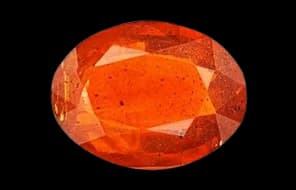
Orange Kyanite
Orange Kyanite is a rare and distinctive variety of kyanite, prized for its warm orange hues, natural character and scarcity in faceted gem quality.
Orange Kyanite is a rare orange variety of kyanite, an aluminium silicate mineral in the Al2SiO5 group. It is a polymorph of andalusite and sillimanite and typically forms during metamorphism under changing pressure and temperature conditions. Its chemical formula is Al2SiO5, with a triclinic crystal system, vitreous luster and perfect cleavage. Kyanite is notable for its directional hardness: it measures approximately 5.5 to 7 on the Mohs scale depending on the direction tested. Orange gem-quality material is particularly uncommon. The orange color can range from yellow-orange to yellowish orange, with some specimens displaying attractive color zoning or subtle pleochroism. Orange Kyanite from Tanzania, particularly material documented from the Loliondo area, has been examined by GIA and recorded with refractive indices of approximately 1.718 to 1.735 and specific gravity around 3.69 to 3.73. Kyanite is found in several metamorphic environments around the world, including localities in Tanzania, Brazil, Nepal, the United States and other regions. Historically, kyanite has been valued primarily as a mineral specimen and collector material, while gem-quality transparent crystals are comparatively scarce. Today, natural Orange Kyanite is used in statement rings, pendants, earrings and collector jewelry, where its unusual color and natural inclusions can add individuality. Buyers value Orange Kyanite because fine transparent material is difficult to obtain, its orange color is distinctive, and well-cut stones can make striking alternatives to more familiar orange gemstones.
- Mineral Family
- Kyanite
- Chemical Formula
- Al2SiO5
- Mohs Hardness
- 5.5 - 7
- Refractive Index
- 1.718 - 1.735
- Specific Gravity
- 3.53 - 3.73
- Cleavage
- Perfect
- Crystal System
- Triclinic
- Luster
- Vitreous
- Color Range
- Orange
When buying Orange Kyanite, start with color. Attractive, evenly distributed orange or yellowish-orange bodycolor generally increases appeal, while strong zoning may either add character or reduce value depending on the stone and buyer preference. Clarity is important for faceted material, but natural inclusions are common and can help distinguish genuine natural kyanite. Look for stones with good transparency and minimal fractures, especially because kyanite has perfect cleavage and directional hardness. Cut quality is particularly important: the cutter must account for the gemstone's pronounced directional properties and cleavage, so a well-proportioned, carefully finished stone can command a premium. Carat weight also matters because clean, transparent Orange Kyanite in larger sizes is less readily available. Origin can influence collector interest when a stone is accompanied by reliable locality information, but origin alone should not determine quality or value. Ask whether the stone is natural and whether any treatment has been applied. Orange Kyanite is not commonly encountered as a laboratory-grown gemstone in the jewelry trade, so claims of treatment or synthetic origin should be evaluated carefully. A reputable independent gemological laboratory can verify species, natural characteristics and detectable treatments. For higher-value purchases, request a laboratory report and ensure that the report corresponds to the exact stone being sold. Authenticity should be assessed through professional gemological testing rather than appearance alone. Price depends on color, transparency, clarity, cut quality, carat weight, origin documentation, treatment status and overall rarity. Because Orange Kyanite is a niche collector gemstone, prices can vary substantially between individual stones.
Orange Kyanite requires thoughtful care because of its perfect cleavage and directional hardness. Clean it gently with lukewarm water, a small amount of mild soap and a soft cloth or soft brush. Avoid ultrasonic and steam cleaners unless a qualified gemologist has confirmed that the particular stone is suitable. Protect the gemstone from sharp impacts, sudden blows and contact with harder materials that could scratch or fracture it. Orange Kyanite is best suited to jewelry designs that provide good protection, particularly pendants and earrings. Rings can be worn, but a protective setting and sensible everyday use are recommended. Remove Orange Kyanite jewelry before strenuous activities, sports, heavy household work and situations where the stone could be struck. Store each piece separately in a soft-lined compartment or pouch so that it does not rub against other jewelry. Avoid harsh chemicals, abrasive cleaners and prolonged exposure to high heat. These precautions help preserve the stone's polish, transparency and natural beauty.
Orange Kyanite is a rare orange variety of kyanite, an aluminium silicate mineral in the Al2SiO5 group. It is a polymorph of andalusite and sillimanite and typically forms during metamorphism under changing pressure and temperature conditions. Its chemical formula is Al2SiO5, with a triclinic crystal system, vitreous luster and perfect cleavage. Kyanite is notable for its directional hardness: it measures approximately 5.5 to 7 on the Mohs scale depending on the direction tested. Orange gem-quality material is particularly uncommon. The orange color can range from yellow-orange to yellowish orange, with some specimens displaying attractive color zoning or subtle pleochroism. Orange Kyanite from Tanzania, particularly material documented from the Loliondo area, has been examined by GIA and recorded with refractive indices of approximately 1.718 to 1.735 and specific gravity around 3.69 to 3.73. Kyanite is found in several metamorphic environments around the world, including localities in Tanzania, Brazil, Nepal, the United States and other regions. Historically, kyanite has been valued primarily as a mineral specimen and collector material, while gem-quality transparent crystals are comparatively scarce. Today, natural Orange Kyanite is used in statement rings, pendants, earrings and collector jewelry, where its unusual color and natural inclusions can add individuality. Buyers value Orange Kyanite because fine transparent material is difficult to obtain, its orange color is distinctive, and well-cut stones can make striking alternatives to more familiar orange gemstones.
- Mineral Family
- Kyanite
- Chemical Formula
- Al2SiO5
- Mohs Hardness
- 5.5 - 7
- Refractive Index
- 1.718 - 1.735
- Specific Gravity
- 3.53 - 3.73
- Cleavage
- Perfect
- Crystal System
- Triclinic
- Luster
- Vitreous
- Color Range
- Orange
When buying Orange Kyanite, start with color. Attractive, evenly distributed orange or yellowish-orange bodycolor generally increases appeal, while strong zoning may either add character or reduce value depending on the stone and buyer preference. Clarity is important for faceted material, but natural inclusions are common and can help distinguish genuine natural kyanite. Look for stones with good transparency and minimal fractures, especially because kyanite has perfect cleavage and directional hardness. Cut quality is particularly important: the cutter must account for the gemstone's pronounced directional properties and cleavage, so a well-proportioned, carefully finished stone can command a premium. Carat weight also matters because clean, transparent Orange Kyanite in larger sizes is less readily available. Origin can influence collector interest when a stone is accompanied by reliable locality information, but origin alone should not determine quality or value. Ask whether the stone is natural and whether any treatment has been applied. Orange Kyanite is not commonly encountered as a laboratory-grown gemstone in the jewelry trade, so claims of treatment or synthetic origin should be evaluated carefully. A reputable independent gemological laboratory can verify species, natural characteristics and detectable treatments. For higher-value purchases, request a laboratory report and ensure that the report corresponds to the exact stone being sold. Authenticity should be assessed through professional gemological testing rather than appearance alone. Price depends on color, transparency, clarity, cut quality, carat weight, origin documentation, treatment status and overall rarity. Because Orange Kyanite is a niche collector gemstone, prices can vary substantially between individual stones.
Orange Kyanite requires thoughtful care because of its perfect cleavage and directional hardness. Clean it gently with lukewarm water, a small amount of mild soap and a soft cloth or soft brush. Avoid ultrasonic and steam cleaners unless a qualified gemologist has confirmed that the particular stone is suitable. Protect the gemstone from sharp impacts, sudden blows and contact with harder materials that could scratch or fracture it. Orange Kyanite is best suited to jewelry designs that provide good protection, particularly pendants and earrings. Rings can be worn, but a protective setting and sensible everyday use are recommended. Remove Orange Kyanite jewelry before strenuous activities, sports, heavy household work and situations where the stone could be struck. Store each piece separately in a soft-lined compartment or pouch so that it does not rub against other jewelry. Avoid harsh chemicals, abrasive cleaners and prolonged exposure to high heat. These precautions help preserve the stone's polish, transparency and natural beauty.
Orange Kyanite for Sale
No gems found
Try broadening your search or adjusting your filters.
Have a gem of your own? List it free - no fees