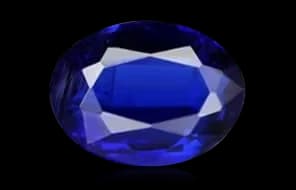
Blue Kyanite
Blue Kyanite is a distinctive natural gemstone prized for its rich blue color, silky luster and blade-like crystal structure. Its unusual directional hardness makes every stone fascinating.
Blue Kyanite is a naturally occurring aluminum silicate mineral prized for its distinctive blue color, elongated blade-like crystals and subtle vitreous-to-pearly luster. It belongs to the aluminosilicate polymorph group alongside andalusite and sillimanite, which share the chemical formula Al2SiO5 but have different crystal structures and physical properties.
Kyanite typically forms in metamorphic rocks such as schist and gneiss under relatively high-pressure conditions. Trace elements, particularly iron and other minor substitutions, can influence its blue coloration. Natural crystals commonly show strong linear striations, color zoning and variations in transparency, giving each specimen an individual appearance.
Its most unusual physical characteristic is directional hardness. Kyanite measures approximately 4.5-5 along some crystallographic directions and about 6.5-7 across others. This anisotropic hardness, together with perfect cleavage in one direction, makes cutting and setting the material more demanding than its appearance might suggest. Its refractive index is approximately 1.710-1.734 and its specific gravity is about 3.53-3.67.
Blue is the most familiar and commercially important color, ranging from pale blue to deeper sapphire-like blue. Other natural kyanite colors include white, gray, green, yellow, orange and pink, although these are less commonly encountered in jewelry. Transparent blue material can be faceted, while translucent material is often fashioned into cabochons or polished forms that emphasize its natural texture.
Important gem-quality material has been documented from Nepal and Brazil, while kyanite also occurs in India and several other localities worldwide. Blue kyanite from Nepal became particularly notable in the gem trade because some material displays homogeneous, attractive blue color and relatively high transparency. The mineral itself has a longer geological history, with the name kyanite introduced in the late eighteenth century.
Today, Blue Kyanite jewelry includes rings, pendants, earrings and bracelets. Because of its moderate and directionally variable hardness and cleavage, it is generally better suited to jewelry designs that provide protection rather than heavy everyday wear. Pendants and earrings can be especially practical choices. Buyers value Blue Kyanite for its natural blue color, distinctive crystal character, relative rarity of fine transparent material and individuality compared with more conventional blue gemstones.
For buyers researching Blue Kyanite meaning, the stone is sometimes given modern symbolic associations with clarity, balance and communication. These are cultural or personal interpretations rather than scientifically established properties.
- Mineral Family
- Kyanite
- Chemical Formula
- Al2SiO5
- Mohs Hardness
- 4.5 - 7
- Refractive Index
- 1.710 - 1.734
- Specific Gravity
- 3.53 - 3.67
- Cleavage
- Perfect on {100}; good on {010}
- Crystal System
- Triclinic
- Luster
- Vitreous
- Color Range
- Blue, White, Gray, Green, Yellow, Orange, Pink
When buying natural Blue Kyanite, evaluate the stone as a combination of color, transparency, cut, size and overall condition rather than relying on a single characteristic.
Color: Rich, attractive blue is generally the most sought-after appearance. Look for pleasing saturation and evenness, while remembering that natural kyanite can show zoning and longitudinal color variation. Very pale or strongly uneven material may be less valuable, although unusual color patterns can appeal to collectors.
Clarity: Transparent, clean-looking material is relatively desirable for faceted gems. Natural inclusions, striations and internal textures are common and should not automatically be considered defects. Excessive fractures, open cleavage or unstable-looking areas can reduce durability and value.
Cut: Cutting kyanite requires careful orientation because hardness changes with direction and the mineral has prominent cleavage. Faceted cuts can display attractive transparency and color, while cabochons are useful for more translucent material. A good cut should maximize the stone's color and optical appeal without leaving vulnerable edges.
Carat: Larger fine-quality Blue Kyanite can be more difficult to source, particularly when strong blue color and good transparency occur together. Carat weight should therefore be considered alongside color, clarity, cut and durability rather than treated as the sole measure of value.
Origin: Nepal and Brazil are notable sources of gem-quality Blue Kyanite, while India and other regions also produce the mineral. Origin can add interest and provenance, but a specific locality should be supported by reliable documentation rather than assumed from appearance alone.
Treatments: Kyanite is commonly encountered as untreated natural material. Buyers should ask whether any enhancement has been applied and request disclosure of treatments. Because some heating can affect kyanite color, claims of treatment-free status should be based on seller disclosure or laboratory evidence when appropriate.
Natural vs lab-grown: Natural Blue Kyanite is the material normally encountered in the colored-stone market. Unlike synthetic sapphire, laboratory-grown kyanite is not a common mainstream jewelry alternative. If a seller describes a stone as synthetic, ask for clear disclosure and independent identification.
Certification: A laboratory report is particularly useful for higher-value or unusual Blue Kyanite, especially when origin, treatment status or identification is important. The report should identify the gemstone and disclose any detectable treatments.
Authenticity: Genuine kyanite commonly shows its characteristic elongated structure, directional striations, variable transparency and distinctive gemological properties. Appearance alone cannot reliably separate every natural gemstone from simulants, so reputable sellers and independent laboratory testing provide stronger assurance.
Price factors: Value is influenced by color quality, transparency, clarity, cut quality, size, origin, treatment status, craftsmanship and market availability. Fine transparent blue material can command substantially more than ordinary opaque or heavily included specimens. When comparing prices, compare stones of similar quality rather than carat weight alone.
Blue Kyanite requires thoughtful care because its hardness varies significantly by direction and it has prominent cleavage. It is not an ideal gemstone for rough daily wear, especially in rings that are frequently exposed to knocks.
Cleaning: Use lukewarm water, a small amount of mild soap and a soft cloth or very soft brush. Rinse gently and dry with a clean, soft cloth. Avoid aggressive scrubbing.
Avoid ultrasonic and steam cleaners because vibration, heat and pressure can increase the risk of damage along cleavage planes. Harsh chemicals and abrasive cleaners should also be avoided.
Storage: Store Blue Kyanite separately from harder gemstones such as sapphire, ruby and diamond. A soft pouch or fabric-lined compartment helps prevent scratches and accidental contact.
Everyday wear: Pendants and earrings are generally safer choices for regular use than exposed rings. If wearing a Blue Kyanite ring, choose a protective setting and remove it before sports, heavy work, cleaning or activities where the stone could receive impact.
Maintenance: Periodically inspect the gemstone and its setting for chips, loose edges or signs of stress. If the stone is damaged, have it assessed by a qualified jeweler rather than attempting home repairs or repolishing.
Blue Kyanite is a naturally occurring aluminum silicate mineral prized for its distinctive blue color, elongated blade-like crystals and subtle vitreous-to-pearly luster. It belongs to the aluminosilicate polymorph group alongside andalusite and sillimanite, which share the chemical formula Al2SiO5 but have different crystal structures and physical properties.
Kyanite typically forms in metamorphic rocks such as schist and gneiss under relatively high-pressure conditions. Trace elements, particularly iron and other minor substitutions, can influence its blue coloration. Natural crystals commonly show strong linear striations, color zoning and variations in transparency, giving each specimen an individual appearance.
Its most unusual physical characteristic is directional hardness. Kyanite measures approximately 4.5-5 along some crystallographic directions and about 6.5-7 across others. This anisotropic hardness, together with perfect cleavage in one direction, makes cutting and setting the material more demanding than its appearance might suggest. Its refractive index is approximately 1.710-1.734 and its specific gravity is about 3.53-3.67.
Blue is the most familiar and commercially important color, ranging from pale blue to deeper sapphire-like blue. Other natural kyanite colors include white, gray, green, yellow, orange and pink, although these are less commonly encountered in jewelry. Transparent blue material can be faceted, while translucent material is often fashioned into cabochons or polished forms that emphasize its natural texture.
Important gem-quality material has been documented from Nepal and Brazil, while kyanite also occurs in India and several other localities worldwide. Blue kyanite from Nepal became particularly notable in the gem trade because some material displays homogeneous, attractive blue color and relatively high transparency. The mineral itself has a longer geological history, with the name kyanite introduced in the late eighteenth century.
Today, Blue Kyanite jewelry includes rings, pendants, earrings and bracelets. Because of its moderate and directionally variable hardness and cleavage, it is generally better suited to jewelry designs that provide protection rather than heavy everyday wear. Pendants and earrings can be especially practical choices. Buyers value Blue Kyanite for its natural blue color, distinctive crystal character, relative rarity of fine transparent material and individuality compared with more conventional blue gemstones.
For buyers researching Blue Kyanite meaning, the stone is sometimes given modern symbolic associations with clarity, balance and communication. These are cultural or personal interpretations rather than scientifically established properties.
- Mineral Family
- Kyanite
- Chemical Formula
- Al2SiO5
- Mohs Hardness
- 4.5 - 7
- Refractive Index
- 1.710 - 1.734
- Specific Gravity
- 3.53 - 3.67
- Cleavage
- Perfect on {100}; good on {010}
- Crystal System
- Triclinic
- Luster
- Vitreous
- Color Range
- Blue, White, Gray, Green, Yellow, Orange, Pink
When buying natural Blue Kyanite, evaluate the stone as a combination of color, transparency, cut, size and overall condition rather than relying on a single characteristic.
Color: Rich, attractive blue is generally the most sought-after appearance. Look for pleasing saturation and evenness, while remembering that natural kyanite can show zoning and longitudinal color variation. Very pale or strongly uneven material may be less valuable, although unusual color patterns can appeal to collectors.
Clarity: Transparent, clean-looking material is relatively desirable for faceted gems. Natural inclusions, striations and internal textures are common and should not automatically be considered defects. Excessive fractures, open cleavage or unstable-looking areas can reduce durability and value.
Cut: Cutting kyanite requires careful orientation because hardness changes with direction and the mineral has prominent cleavage. Faceted cuts can display attractive transparency and color, while cabochons are useful for more translucent material. A good cut should maximize the stone's color and optical appeal without leaving vulnerable edges.
Carat: Larger fine-quality Blue Kyanite can be more difficult to source, particularly when strong blue color and good transparency occur together. Carat weight should therefore be considered alongside color, clarity, cut and durability rather than treated as the sole measure of value.
Origin: Nepal and Brazil are notable sources of gem-quality Blue Kyanite, while India and other regions also produce the mineral. Origin can add interest and provenance, but a specific locality should be supported by reliable documentation rather than assumed from appearance alone.
Treatments: Kyanite is commonly encountered as untreated natural material. Buyers should ask whether any enhancement has been applied and request disclosure of treatments. Because some heating can affect kyanite color, claims of treatment-free status should be based on seller disclosure or laboratory evidence when appropriate.
Natural vs lab-grown: Natural Blue Kyanite is the material normally encountered in the colored-stone market. Unlike synthetic sapphire, laboratory-grown kyanite is not a common mainstream jewelry alternative. If a seller describes a stone as synthetic, ask for clear disclosure and independent identification.
Certification: A laboratory report is particularly useful for higher-value or unusual Blue Kyanite, especially when origin, treatment status or identification is important. The report should identify the gemstone and disclose any detectable treatments.
Authenticity: Genuine kyanite commonly shows its characteristic elongated structure, directional striations, variable transparency and distinctive gemological properties. Appearance alone cannot reliably separate every natural gemstone from simulants, so reputable sellers and independent laboratory testing provide stronger assurance.
Price factors: Value is influenced by color quality, transparency, clarity, cut quality, size, origin, treatment status, craftsmanship and market availability. Fine transparent blue material can command substantially more than ordinary opaque or heavily included specimens. When comparing prices, compare stones of similar quality rather than carat weight alone.
Blue Kyanite requires thoughtful care because its hardness varies significantly by direction and it has prominent cleavage. It is not an ideal gemstone for rough daily wear, especially in rings that are frequently exposed to knocks.
Cleaning: Use lukewarm water, a small amount of mild soap and a soft cloth or very soft brush. Rinse gently and dry with a clean, soft cloth. Avoid aggressive scrubbing.
Avoid ultrasonic and steam cleaners because vibration, heat and pressure can increase the risk of damage along cleavage planes. Harsh chemicals and abrasive cleaners should also be avoided.
Storage: Store Blue Kyanite separately from harder gemstones such as sapphire, ruby and diamond. A soft pouch or fabric-lined compartment helps prevent scratches and accidental contact.
Everyday wear: Pendants and earrings are generally safer choices for regular use than exposed rings. If wearing a Blue Kyanite ring, choose a protective setting and remove it before sports, heavy work, cleaning or activities where the stone could receive impact.
Maintenance: Periodically inspect the gemstone and its setting for chips, loose edges or signs of stress. If the stone is damaged, have it assessed by a qualified jeweler rather than attempting home repairs or repolishing.
Blue Kyanite for Sale
No gems found
Try broadening your search or adjusting your filters.
Have a gem of your own? List it free - no fees