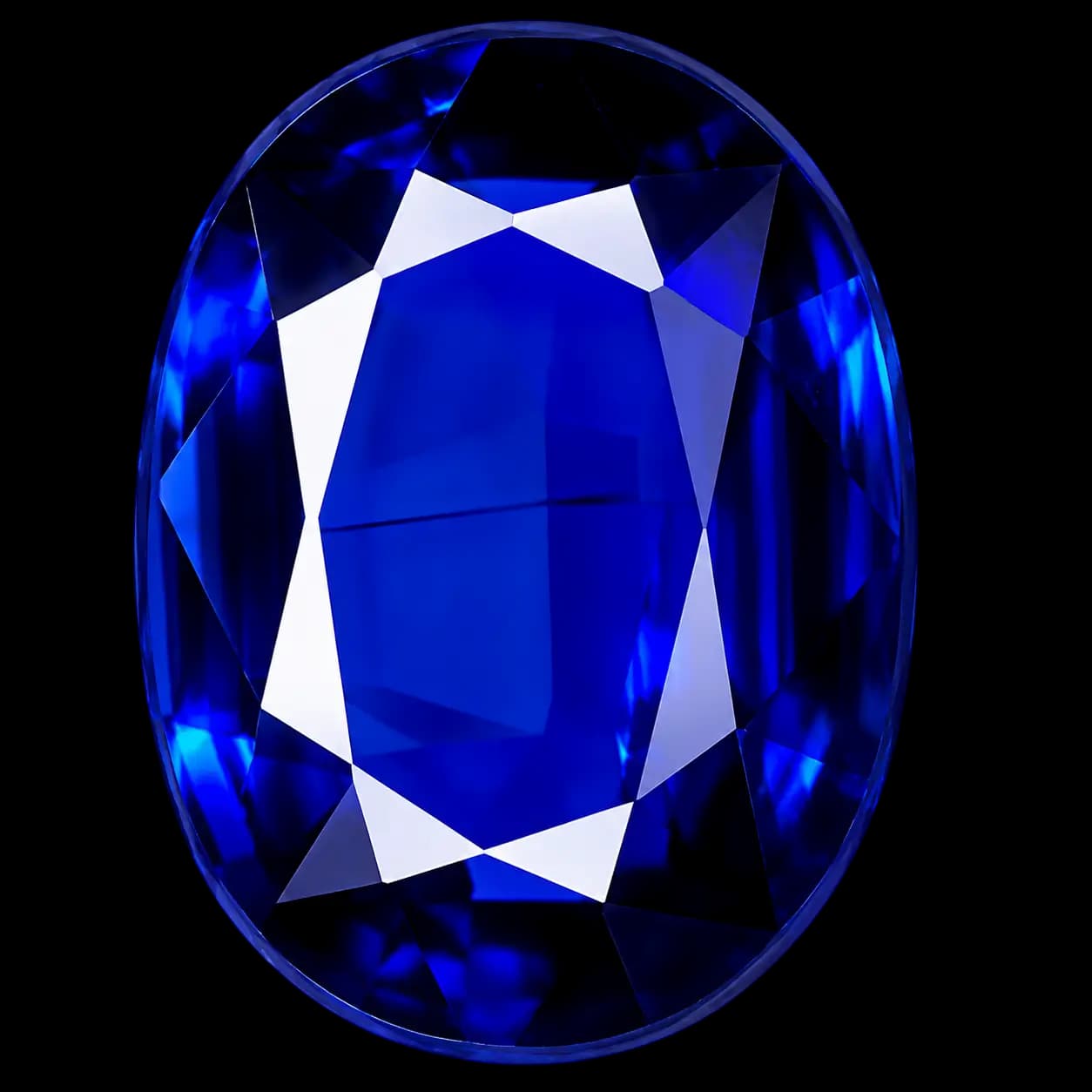
Kyanite
Kyanite is a captivating gemstone admired for its intense blue shades, distinctive blade-like crystals, and unique directional hardness. Natural Kyanite offers collectors and jewelry lovers a rare combination of character, color, and geological beauty.
Kyanite is a unique aluminum silicate gemstone belonging to the aluminosilicate mineral family. Unlike many gemstones, Kyanite has different hardness levels depending on the direction in which it is measured, making it a fascinating mineral for both gemologists and collectors.
Natural Kyanite forms mainly in metamorphic rocks under high-pressure and high-temperature conditions. It commonly develops in schists and gneisses where mineral changes occur deep within the Earth's crust. Its chemical composition is aluminum silicate (Al₂SiO₅), a formula it shares with other polymorph minerals such as andalusite and sillimanite.
The most recognized Kyanite gemstones display attractive blue colors ranging from pale sky blue to deep sapphire-like blue. It can also occur in green, gray, black, and white varieties. Many fine specimens show a silky or glass-like luster with subtle color variations caused by pleochroism.
Kyanite is known for its elongated blade-shaped crystals and distinctive crystal structure. The gemstone has perfect cleavage, which means it requires skilled cutting to produce durable and attractive jewelry pieces. Experienced lapidaries carefully orient the stone to maximize beauty while reducing the risk of damage.
Important sources of Kyanite include Nepal, India, Brazil, Kenya, Switzerland, Myanmar, and the United States. Nepalese blue Kyanite is particularly appreciated among collectors for its rich color and transparency, although overall quality depends more on individual characteristics than geographic origin.
The name Kyanite comes from the Greek word "kyanos," meaning deep blue, referring to its classic color. Today, Kyanite gemstone is valued for designer jewelry, collector specimens, and unique custom creations. Because of its unusual appearance and rarity in fine-quality transparent forms, Kyanite continues to attract gemstone enthusiasts worldwide.
- Mineral Family
- Kyanite
- Chemical Formula
- Al₂SiO₅
- Mohs Hardness
- 4.5 - 5 / 6.5 - 7
- Refractive Index
- 1.712 - 1.734
- Specific Gravity
- 3.53 - 3.65
- Cleavage
- Perfect in one direction and good in another direction
- Crystal System
- Triclinic
- Luster
- Pearly
- Color Range
- Blue, Green, Gray, Black, White
When choosing a natural Kyanite gemstone, buyers should consider color, clarity, cut, carat weight, origin, treatments, and certification.
Color: Color is one of the most important factors affecting Kyanite value. The most desirable stones usually display vivid medium to deep blue tones with good saturation. Stones with even color distribution and attractive transparency generally command higher prices.
Clarity: Kyanite commonly contains natural inclusions due to its geological formation. Fine-quality stones have good transparency with minimal distracting fractures or internal features. Eye-clean Kyanite is less common and more desirable for jewelry use.
Cut: Cutting Kyanite requires specialized skill because of its directional hardness and cleavage. Well-cut stones show balanced proportions, attractive color display, and better durability. Popular cuts include oval, cushion, emerald, and pear shapes.
Carat Weight: Larger transparent Kyanite gemstones are relatively uncommon. As size increases, high-quality stones with strong color and clarity become more valuable.
Origin: Kyanite is found in several locations worldwide, including Nepal, India, Brazil, Kenya, and the United States. Origin may influence collector interest, but gemstone quality remains the primary value factor.
Treatments: Most Kyanite available in the market is natural and untreated. Buyers should always request disclosure of any treatments or enhancements before purchase.
Natural vs Lab-Grown: Natural Kyanite is formed through geological processes over millions of years. Synthetic Kyanite is uncommon in the gemstone market, so buyers should verify authenticity when purchasing valuable specimens.
Certification and Authenticity: A reputable gemological certificate can confirm gemstone identity, natural origin, and important quality characteristics. When buying Kyanite online, choose sellers who provide transparent information, detailed photographs, and certification from recognized laboratories.
Kyanite requires careful handling because its hardness varies depending on crystal direction and it has perfect cleavage.
Clean Kyanite jewelry using lukewarm water, mild soap, and a soft cloth. Avoid harsh chemicals, ultrasonic cleaners, and steam cleaning, as these methods may increase the risk of damage.
Remove Kyanite jewelry before activities involving impact, pressure, or heavy work. Rings containing Kyanite require extra care because accidental knocks may chip the gemstone.
Store Kyanite separately from harder gemstones such as diamonds and sapphires. A soft pouch or individual jewelry compartment helps prevent scratches and protects the stone's surface.
Regularly inspect jewelry settings, especially rings and frequently worn pieces, to ensure the gemstone remains secure.
Kyanite is a unique aluminum silicate gemstone belonging to the aluminosilicate mineral family. Unlike many gemstones, Kyanite has different hardness levels depending on the direction in which it is measured, making it a fascinating mineral for both gemologists and collectors.
Natural Kyanite forms mainly in metamorphic rocks under high-pressure and high-temperature conditions. It commonly develops in schists and gneisses where mineral changes occur deep within the Earth's crust. Its chemical composition is aluminum silicate (Al₂SiO₅), a formula it shares with other polymorph minerals such as andalusite and sillimanite.
The most recognized Kyanite gemstones display attractive blue colors ranging from pale sky blue to deep sapphire-like blue. It can also occur in green, gray, black, and white varieties. Many fine specimens show a silky or glass-like luster with subtle color variations caused by pleochroism.
Kyanite is known for its elongated blade-shaped crystals and distinctive crystal structure. The gemstone has perfect cleavage, which means it requires skilled cutting to produce durable and attractive jewelry pieces. Experienced lapidaries carefully orient the stone to maximize beauty while reducing the risk of damage.
Important sources of Kyanite include Nepal, India, Brazil, Kenya, Switzerland, Myanmar, and the United States. Nepalese blue Kyanite is particularly appreciated among collectors for its rich color and transparency, although overall quality depends more on individual characteristics than geographic origin.
The name Kyanite comes from the Greek word "kyanos," meaning deep blue, referring to its classic color. Today, Kyanite gemstone is valued for designer jewelry, collector specimens, and unique custom creations. Because of its unusual appearance and rarity in fine-quality transparent forms, Kyanite continues to attract gemstone enthusiasts worldwide.
- Mineral Family
- Kyanite
- Chemical Formula
- Al₂SiO₅
- Mohs Hardness
- 4.5 - 5 / 6.5 - 7
- Refractive Index
- 1.712 - 1.734
- Specific Gravity
- 3.53 - 3.65
- Cleavage
- Perfect in one direction and good in another direction
- Crystal System
- Triclinic
- Luster
- Pearly
- Color Range
- Blue, Green, Gray, Black, White
When choosing a natural Kyanite gemstone, buyers should consider color, clarity, cut, carat weight, origin, treatments, and certification.
Color: Color is one of the most important factors affecting Kyanite value. The most desirable stones usually display vivid medium to deep blue tones with good saturation. Stones with even color distribution and attractive transparency generally command higher prices.
Clarity: Kyanite commonly contains natural inclusions due to its geological formation. Fine-quality stones have good transparency with minimal distracting fractures or internal features. Eye-clean Kyanite is less common and more desirable for jewelry use.
Cut: Cutting Kyanite requires specialized skill because of its directional hardness and cleavage. Well-cut stones show balanced proportions, attractive color display, and better durability. Popular cuts include oval, cushion, emerald, and pear shapes.
Carat Weight: Larger transparent Kyanite gemstones are relatively uncommon. As size increases, high-quality stones with strong color and clarity become more valuable.
Origin: Kyanite is found in several locations worldwide, including Nepal, India, Brazil, Kenya, and the United States. Origin may influence collector interest, but gemstone quality remains the primary value factor.
Treatments: Most Kyanite available in the market is natural and untreated. Buyers should always request disclosure of any treatments or enhancements before purchase.
Natural vs Lab-Grown: Natural Kyanite is formed through geological processes over millions of years. Synthetic Kyanite is uncommon in the gemstone market, so buyers should verify authenticity when purchasing valuable specimens.
Certification and Authenticity: A reputable gemological certificate can confirm gemstone identity, natural origin, and important quality characteristics. When buying Kyanite online, choose sellers who provide transparent information, detailed photographs, and certification from recognized laboratories.
Kyanite requires careful handling because its hardness varies depending on crystal direction and it has perfect cleavage.
Clean Kyanite jewelry using lukewarm water, mild soap, and a soft cloth. Avoid harsh chemicals, ultrasonic cleaners, and steam cleaning, as these methods may increase the risk of damage.
Remove Kyanite jewelry before activities involving impact, pressure, or heavy work. Rings containing Kyanite require extra care because accidental knocks may chip the gemstone.
Store Kyanite separately from harder gemstones such as diamonds and sapphires. A soft pouch or individual jewelry compartment helps prevent scratches and protects the stone's surface.
Regularly inspect jewelry settings, especially rings and frequently worn pieces, to ensure the gemstone remains secure.
Kyanite for Sale
No gems found
Try broadening your search or adjusting your filters.
Have a gem of your own? List it free - no fees