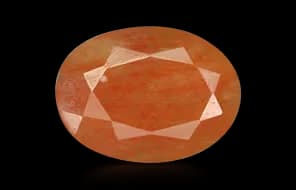
Brown Aventurine
Brown Aventurine is a warm, earthy quartz variety valued for its natural brown tones, subtle aventurescence, durability, and distinctive character in jewelry.
Brown Aventurine is a quartz variety known for its earthy brown appearance and occasional subtle aventurescence, a shimmering effect caused by reflective mineral inclusions. Its chemical composition is silicon dioxide (SiO2), and it belongs to the trigonal crystal system. With a Mohs hardness of about 7 and a vitreous luster, it is well suited to many types of jewelry when properly cared for. Brown coloration can be associated with mineral inclusions such as iron-bearing materials, although the exact appearance and cause of color can vary between specimens. Aventurine forms through geological processes in which quartz crystallizes with included minerals, producing the characteristic visual texture and occasional sparkle. Brown Aventurine is found in quartz-bearing geological environments in several parts of the world, with commercially available material associated with localities including India and other quartz-producing regions. Unlike highly transparent faceted gems, much Brown Aventurine is valued for its opaque to translucent appearance, natural patterning, and overall visual character. It can be cut into cabochons, beads, carvings, pendants, bracelets, earrings, and other jewelry pieces. Buyers often appreciate natural Brown Aventurine for its earthy palette, distinctive inclusions, accessible price point, and practical hardness. When evaluating a stone, examine the consistency of its color, surface quality, polish, transparency, and any visible aventurescence rather than relying only on its name.
- Mineral Family
- Quartz
- Chemical Formula
- SiO2
- Mohs Hardness
- 7
- Refractive Index
- 1.544 - 1.553
- Specific Gravity
- 2.65
- Cleavage
- None
- Crystal System
- Trigonal
- Luster
- Vitreous
- Color Range
- Green, Blue, Red, Orange, Yellow
When buying Brown Aventurine, start with color and overall appearance. Natural brown shades can range from lighter warm brown to deeper earthy tones, and attractive variation is part of the appeal of this material. Clarity is usually less important than it is for transparent gemstones because Brown Aventurine commonly contains visible mineral inclusions. Look for pleasing patterns, balanced coloration, good polish, and any attractive aventurescence. Cut should suit the material: cabochons and beads are common because they showcase color, inclusions, and surface character, while carvings can highlight its natural texture. Carat weight matters for finished jewelry, but dimensions, thickness, workmanship, and overall quality may be more useful when comparing opaque or translucent pieces. Origin can add interest and provenance, but it should not automatically determine value without supporting evidence. Brown Aventurine is generally sold as natural quartz material rather than a laboratory-grown gemstone. Treatments and enhancements should be disclosed by the seller; ask specifically whether the color, polish, or appearance has been artificially enhanced. Certification is not usually necessary for ordinary commercial Brown Aventurine, but an independent gemological report can be useful for high-value or unusual specimens. Authenticity is best assessed through the stone's physical and optical properties, appearance, and, when necessary, professional testing. Price is influenced by color quality, aventurescence, pattern, size, workmanship, finish, origin, and overall condition. If you plan to buy Brown Aventurine online, request clear photographs or videos in natural lighting and confirm the exact dimensions, weight, treatment disclosure, and return policy.
Brown Aventurine has a Mohs hardness of about 7, making it reasonably durable for jewelry, although it can still be scratched by harder materials. Clean it with lukewarm water, mild soap, and a soft cloth or soft brush, then rinse and dry thoroughly. Store it separately from harder gemstones to reduce the risk of scratches and avoid prolonged contact with abrasive surfaces. For everyday wear, protect Brown Aventurine from sharp impacts, especially in rings and bracelets that experience frequent contact. Avoid harsh chemicals, abrasive cleaners, and sudden extreme temperature changes. Ultrasonic and steam cleaning are best avoided unless a qualified professional has confirmed that the specific stone and any treatments can safely tolerate them. Remove Brown Aventurine jewelry before strenuous activities, household cleaning, or situations where the stone may be exposed to knocks or chemicals.
Brown Aventurine is a quartz variety known for its earthy brown appearance and occasional subtle aventurescence, a shimmering effect caused by reflective mineral inclusions. Its chemical composition is silicon dioxide (SiO2), and it belongs to the trigonal crystal system. With a Mohs hardness of about 7 and a vitreous luster, it is well suited to many types of jewelry when properly cared for. Brown coloration can be associated with mineral inclusions such as iron-bearing materials, although the exact appearance and cause of color can vary between specimens. Aventurine forms through geological processes in which quartz crystallizes with included minerals, producing the characteristic visual texture and occasional sparkle. Brown Aventurine is found in quartz-bearing geological environments in several parts of the world, with commercially available material associated with localities including India and other quartz-producing regions. Unlike highly transparent faceted gems, much Brown Aventurine is valued for its opaque to translucent appearance, natural patterning, and overall visual character. It can be cut into cabochons, beads, carvings, pendants, bracelets, earrings, and other jewelry pieces. Buyers often appreciate natural Brown Aventurine for its earthy palette, distinctive inclusions, accessible price point, and practical hardness. When evaluating a stone, examine the consistency of its color, surface quality, polish, transparency, and any visible aventurescence rather than relying only on its name.
- Mineral Family
- Quartz
- Chemical Formula
- SiO2
- Mohs Hardness
- 7
- Refractive Index
- 1.544 - 1.553
- Specific Gravity
- 2.65
- Cleavage
- None
- Crystal System
- Trigonal
- Luster
- Vitreous
- Color Range
- Green, Blue, Red, Orange, Yellow
When buying Brown Aventurine, start with color and overall appearance. Natural brown shades can range from lighter warm brown to deeper earthy tones, and attractive variation is part of the appeal of this material. Clarity is usually less important than it is for transparent gemstones because Brown Aventurine commonly contains visible mineral inclusions. Look for pleasing patterns, balanced coloration, good polish, and any attractive aventurescence. Cut should suit the material: cabochons and beads are common because they showcase color, inclusions, and surface character, while carvings can highlight its natural texture. Carat weight matters for finished jewelry, but dimensions, thickness, workmanship, and overall quality may be more useful when comparing opaque or translucent pieces. Origin can add interest and provenance, but it should not automatically determine value without supporting evidence. Brown Aventurine is generally sold as natural quartz material rather than a laboratory-grown gemstone. Treatments and enhancements should be disclosed by the seller; ask specifically whether the color, polish, or appearance has been artificially enhanced. Certification is not usually necessary for ordinary commercial Brown Aventurine, but an independent gemological report can be useful for high-value or unusual specimens. Authenticity is best assessed through the stone's physical and optical properties, appearance, and, when necessary, professional testing. Price is influenced by color quality, aventurescence, pattern, size, workmanship, finish, origin, and overall condition. If you plan to buy Brown Aventurine online, request clear photographs or videos in natural lighting and confirm the exact dimensions, weight, treatment disclosure, and return policy.
Brown Aventurine has a Mohs hardness of about 7, making it reasonably durable for jewelry, although it can still be scratched by harder materials. Clean it with lukewarm water, mild soap, and a soft cloth or soft brush, then rinse and dry thoroughly. Store it separately from harder gemstones to reduce the risk of scratches and avoid prolonged contact with abrasive surfaces. For everyday wear, protect Brown Aventurine from sharp impacts, especially in rings and bracelets that experience frequent contact. Avoid harsh chemicals, abrasive cleaners, and sudden extreme temperature changes. Ultrasonic and steam cleaning are best avoided unless a qualified professional has confirmed that the specific stone and any treatments can safely tolerate them. Remove Brown Aventurine jewelry before strenuous activities, household cleaning, or situations where the stone may be exposed to knocks or chemicals.
Brown Aventurine for Sale
No gems found
Try broadening your search or adjusting your filters.
Have a gem of your own? List it free - no fees