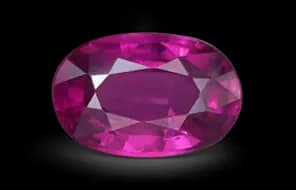
Pink Garnet
Pink Garnet offers a refined alternative to classic red garnet, with delicate pink to purplish tones, good durability, and distinctive brilliance for fine jewelry.
Pink Garnet is a color variety within the garnet group rather than a single mineral species. Pink examples are commonly associated with pyrope-almandine compositions and can range from soft blush and rose tones to richer pinkish-purple hues. Garnets are nesosilicate minerals with a cubic crystal system and no cleavage, contributing to their useful durability in jewelry. Their typical hardness is about 6.5–7.5 on the Mohs scale, while refractive index and specific gravity vary according to species and composition. The pink color can be influenced by manganese, iron, and the precise chemical composition of the stone. Natural garnet crystals form in a variety of geological environments, particularly metamorphic rocks, where heat and pressure allow garnet minerals to develop. Garnets have been valued for centuries and occur in many parts of the world, including Africa, Sri Lanka, Madagascar, Tanzania, Mozambique, India, and the United States. Famous garnet localities are often associated with particular species and colors rather than pink garnet alone. Today, Pink Garnet is used in rings, earrings, pendants, bracelets, and other jewelry where its warm color and natural brilliance are especially appealing. Buyers value natural Pink Garnet for its attractive color, transparency, durability, individuality, and the fact that many garnets can offer strong visual beauty without the premium associated with some of the rarest colored gemstones.
- Mineral Family
- Garnet
- Chemical Formula
- Varies by garnet species
- Mohs Hardness
- 6.5 - 7.5
- Refractive Index
- 1.73 - 1.81
- Specific Gravity
- 3.6 - 4.3
- Cleavage
- None
- Crystal System
- Cubic
- Luster
- Vitreous
- Color Range
- Pink, Purple
When buying Pink Garnet, color is usually the first consideration. Look for an attractive, even pink or pinkish-purple bodycolor with good saturation and lively brilliance. Clarity is also important: transparent stones with fewer eye-visible inclusions generally command greater value, although the acceptable clarity depends on the stone's size and cut. Cut should maximize brilliance, symmetry, and face-up color rather than simply weight retention. Carat weight affects price, but Pink Garnet value is strongly influenced by color quality, transparency, size, cut, and rarity. Origin can add interest and provenance, but it should not automatically be treated as a guarantee of superior quality. Treatments are less central to garnet buying than they are for some other colored gemstones, but buyers should ask whether any treatment has been applied and whether it is stable. Natural Pink Garnet should be distinguished from laboratory-grown or synthetic materials, as well as imitations. For significant purchases, an independent gemological report can help confirm the gemstone identity, natural status, and any detectable treatments. Buy from a reputable seller, request clear photographs or videos, and compare the stone's color and transparency in different lighting. The price of Pink Garnet depends on species, color, clarity, cut, size, origin, rarity, and market demand. A good Pink Garnet buying guide should therefore focus on the individual stone rather than relying on a generic price per carat.
Pink Garnet is reasonably durable for jewelry, but its 6.5–7.5 Mohs hardness means it can still be scratched by harder materials. Clean Pink Garnet jewelry with lukewarm water, mild soap, and a soft brush or cloth, then rinse and dry thoroughly. Store each piece separately in a soft pouch or lined jewelry compartment to reduce contact with harder gemstones. Pink Garnet can be suitable for regular wear, particularly in earrings, pendants, and protected ring settings, but remove it before activities that could expose the stone to hard impacts, abrasion, harsh chemicals, or sudden temperature changes. Avoid abrasive cleaners and prolonged exposure to strong household chemicals. Because garnet properties vary by species and treatment history, professional cleaning methods should be selected according to the individual stone when its identity or treatment is uncertain.
Pink Garnet is a color variety within the garnet group rather than a single mineral species. Pink examples are commonly associated with pyrope-almandine compositions and can range from soft blush and rose tones to richer pinkish-purple hues. Garnets are nesosilicate minerals with a cubic crystal system and no cleavage, contributing to their useful durability in jewelry. Their typical hardness is about 6.5–7.5 on the Mohs scale, while refractive index and specific gravity vary according to species and composition. The pink color can be influenced by manganese, iron, and the precise chemical composition of the stone. Natural garnet crystals form in a variety of geological environments, particularly metamorphic rocks, where heat and pressure allow garnet minerals to develop. Garnets have been valued for centuries and occur in many parts of the world, including Africa, Sri Lanka, Madagascar, Tanzania, Mozambique, India, and the United States. Famous garnet localities are often associated with particular species and colors rather than pink garnet alone. Today, Pink Garnet is used in rings, earrings, pendants, bracelets, and other jewelry where its warm color and natural brilliance are especially appealing. Buyers value natural Pink Garnet for its attractive color, transparency, durability, individuality, and the fact that many garnets can offer strong visual beauty without the premium associated with some of the rarest colored gemstones.
- Mineral Family
- Garnet
- Chemical Formula
- Varies by garnet species
- Mohs Hardness
- 6.5 - 7.5
- Refractive Index
- 1.73 - 1.81
- Specific Gravity
- 3.6 - 4.3
- Cleavage
- None
- Crystal System
- Cubic
- Luster
- Vitreous
- Color Range
- Pink, Purple
When buying Pink Garnet, color is usually the first consideration. Look for an attractive, even pink or pinkish-purple bodycolor with good saturation and lively brilliance. Clarity is also important: transparent stones with fewer eye-visible inclusions generally command greater value, although the acceptable clarity depends on the stone's size and cut. Cut should maximize brilliance, symmetry, and face-up color rather than simply weight retention. Carat weight affects price, but Pink Garnet value is strongly influenced by color quality, transparency, size, cut, and rarity. Origin can add interest and provenance, but it should not automatically be treated as a guarantee of superior quality. Treatments are less central to garnet buying than they are for some other colored gemstones, but buyers should ask whether any treatment has been applied and whether it is stable. Natural Pink Garnet should be distinguished from laboratory-grown or synthetic materials, as well as imitations. For significant purchases, an independent gemological report can help confirm the gemstone identity, natural status, and any detectable treatments. Buy from a reputable seller, request clear photographs or videos, and compare the stone's color and transparency in different lighting. The price of Pink Garnet depends on species, color, clarity, cut, size, origin, rarity, and market demand. A good Pink Garnet buying guide should therefore focus on the individual stone rather than relying on a generic price per carat.
Pink Garnet is reasonably durable for jewelry, but its 6.5–7.5 Mohs hardness means it can still be scratched by harder materials. Clean Pink Garnet jewelry with lukewarm water, mild soap, and a soft brush or cloth, then rinse and dry thoroughly. Store each piece separately in a soft pouch or lined jewelry compartment to reduce contact with harder gemstones. Pink Garnet can be suitable for regular wear, particularly in earrings, pendants, and protected ring settings, but remove it before activities that could expose the stone to hard impacts, abrasion, harsh chemicals, or sudden temperature changes. Avoid abrasive cleaners and prolonged exposure to strong household chemicals. Because garnet properties vary by species and treatment history, professional cleaning methods should be selected according to the individual stone when its identity or treatment is uncertain.
Pink Garnet for Sale
No gems found
Try broadening your search or adjusting your filters.
Have a gem of your own? List it free - no fees