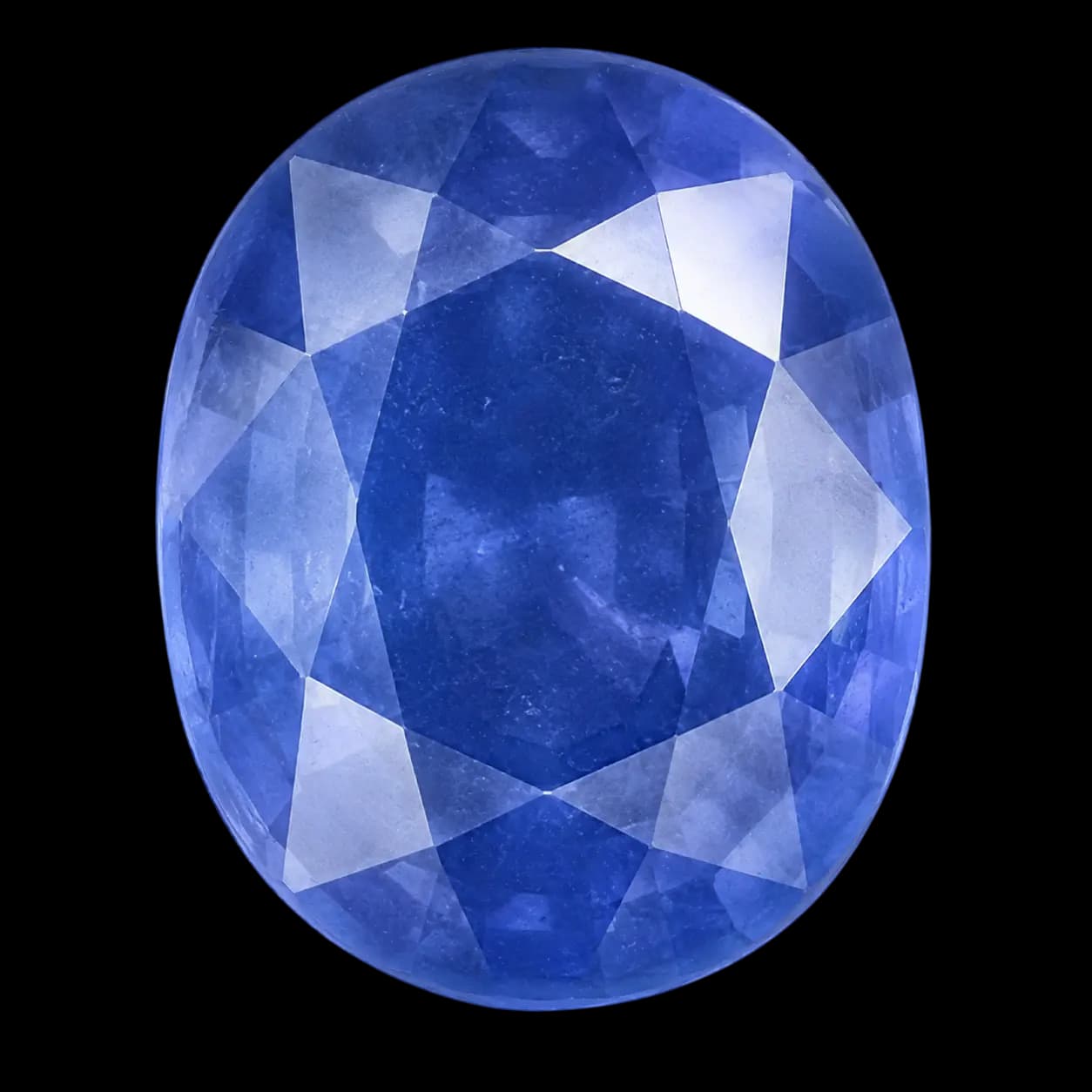
African Blue Sapphire
African Blue Sapphire is a captivating natural gemstone admired for its intense blue color, exceptional durability, and remarkable origins across Africa. These rare sapphires combine timeless beauty with unique geological character.
African Blue Sapphire is a premium variety of sapphire belonging to the corundum mineral family. Like all sapphires except ruby, it is composed of aluminium oxide with trace elements such as iron and titanium that influence its beautiful blue coloration.
African Blue Sapphires are primarily sourced from Madagascar, Tanzania, and Kenya, regions known for their diverse geological environments and gemstone deposits. The combination of volcanic activity, metamorphic processes, and mineral-rich geological formations contributes to the development of sapphires with attractive colors and excellent transparency.
One of the defining features of African Blue Sapphire is its rich and vivid blue appearance. Many stones display deep blue tones, while others may show subtle cyan, teal, or grayish undertones. Some African sapphires contain fine rutile inclusions known as silk, which can create a soft velvety appearance and add character to the gemstone.
With a Mohs hardness rating of 9, African Blue Sapphire is among the hardest natural gemstones available, making it highly suitable for everyday jewelry such as engagement rings, earrings, pendants, and bracelets. Its trigonal crystal structure, vitreous luster, excellent durability, and absence of cleavage contribute to its popularity among jewelry designers and collectors.
African sapphire deposits have gained international recognition due to the exceptional quality and variety of gemstones produced across the continent. Madagascar, in particular, has become one of the world's important sapphire sources, producing stones in a wide range of colors and qualities.
Throughout history, blue sapphires have been admired as symbols of elegance, wisdom, and refinement in various cultures. Today, African Blue Sapphire is valued by collectors and jewelry enthusiasts for its natural beauty, distinctive color profile, rarity, and connection to Africa's fascinating geological landscape.
African Blue Sapphire holds an important position in the global colored gemstone market. Its combination of durability, vibrant color, and natural origin makes it an excellent choice for luxury jewelry and gemstone collections.
- Mineral Family
- Corundum
- Chemical Formula
- Al₂O₃
- Mohs Hardness
- 9
- Refractive Index
- 1.760 - 1.770
- Specific Gravity
- 3.95 - 4.03
- Cleavage
- None
- Crystal System
- Trigonal
- Luster
- Vitreous
- Color Range
- Blue, Cyan, Green, Gray
When buying African Blue Sapphire, understanding quality factors is essential for selecting a valuable and authentic gemstone.
Color: Color is the most important factor influencing African Blue Sapphire value. Premium stones typically display strong blue saturation, attractive tone, and even color distribution. Rich, vivid blue shades are especially desirable among collectors and jewelry buyers.
Clarity: African Blue Sapphires are appreciated for their transparency and attractive clarity. Natural inclusions may occur and can provide evidence of geological formation. Stones with fewer visible inclusions and excellent transparency generally command higher prices.
Cut: A well-executed cut enhances brilliance, color intensity, and light reflection. Popular cuts include oval, cushion, and round shapes, which are designed to maximize the gemstone's visual appeal.
Carat Weight: Larger African Blue Sapphires are rarer and often increase significantly in value when combined with exceptional color and clarity. Carat weight should always be considered together with overall quality.
Origin: Origin from recognized African mining regions such as Madagascar, Tanzania, and Kenya can add collector appeal. Reliable origin information should be supported by appropriate documentation when important for value.
Treatments: Some African Blue Sapphires may undergo heat treatment to enhance color and clarity. Buyers should always request complete treatment disclosure, as untreated stones with attractive natural color are often more valuable.
Certification: A reputable gemological certificate can confirm whether the sapphire is natural, identify treatments, and provide important quality information.
Natural vs Synthetic: Natural African Blue Sapphire forms through geological processes over millions of years, while synthetic sapphire is created in laboratories. Although their chemical compositions are similar, their origins and market values are different.
Pricing: African Blue Sapphire prices vary depending on color, clarity, cut, carat weight, treatment status, origin, and certification. High-quality stones with exceptional blue color and rarity typically achieve premium market values.
When purchasing online, buyers should choose trusted sellers who provide detailed gemstone descriptions, high-quality images, certification options, treatment disclosure, and transparent return policies.
African Blue Sapphire is a highly durable gemstone that can maintain its beauty for generations with proper care.
Clean sapphire jewelry using warm water, mild soap, and a soft brush. Avoid harsh chemicals, abrasive cleaners, and rough materials that may damage the gemstone setting or jewelry surface.
Ultrasonic cleaning is generally suitable for untreated and stable sapphires. However, stones with fractures, significant inclusions, or certain treatments should be checked by a professional before ultrasonic cleaning.
Steam cleaning may be appropriate for some untreated sapphires, but treated gemstones should be evaluated before exposure to heat or steam.
Although African Blue Sapphire is highly resistant to scratches, avoid strong impacts that could damage the gemstone or its setting. Store sapphire jewelry separately from softer gemstones to prevent scratching.
For frequently worn jewelry, professional inspection is recommended to check the security of settings and maintain the gemstone's long-term condition.
African Blue Sapphire is a premium variety of sapphire belonging to the corundum mineral family. Like all sapphires except ruby, it is composed of aluminium oxide with trace elements such as iron and titanium that influence its beautiful blue coloration.
African Blue Sapphires are primarily sourced from Madagascar, Tanzania, and Kenya, regions known for their diverse geological environments and gemstone deposits. The combination of volcanic activity, metamorphic processes, and mineral-rich geological formations contributes to the development of sapphires with attractive colors and excellent transparency.
One of the defining features of African Blue Sapphire is its rich and vivid blue appearance. Many stones display deep blue tones, while others may show subtle cyan, teal, or grayish undertones. Some African sapphires contain fine rutile inclusions known as silk, which can create a soft velvety appearance and add character to the gemstone.
With a Mohs hardness rating of 9, African Blue Sapphire is among the hardest natural gemstones available, making it highly suitable for everyday jewelry such as engagement rings, earrings, pendants, and bracelets. Its trigonal crystal structure, vitreous luster, excellent durability, and absence of cleavage contribute to its popularity among jewelry designers and collectors.
African sapphire deposits have gained international recognition due to the exceptional quality and variety of gemstones produced across the continent. Madagascar, in particular, has become one of the world's important sapphire sources, producing stones in a wide range of colors and qualities.
Throughout history, blue sapphires have been admired as symbols of elegance, wisdom, and refinement in various cultures. Today, African Blue Sapphire is valued by collectors and jewelry enthusiasts for its natural beauty, distinctive color profile, rarity, and connection to Africa's fascinating geological landscape.
African Blue Sapphire holds an important position in the global colored gemstone market. Its combination of durability, vibrant color, and natural origin makes it an excellent choice for luxury jewelry and gemstone collections.
- Mineral Family
- Corundum
- Chemical Formula
- Al₂O₃
- Mohs Hardness
- 9
- Refractive Index
- 1.760 - 1.770
- Specific Gravity
- 3.95 - 4.03
- Cleavage
- None
- Crystal System
- Trigonal
- Luster
- Vitreous
- Color Range
- Blue, Cyan, Green, Gray
When buying African Blue Sapphire, understanding quality factors is essential for selecting a valuable and authentic gemstone.
Color: Color is the most important factor influencing African Blue Sapphire value. Premium stones typically display strong blue saturation, attractive tone, and even color distribution. Rich, vivid blue shades are especially desirable among collectors and jewelry buyers.
Clarity: African Blue Sapphires are appreciated for their transparency and attractive clarity. Natural inclusions may occur and can provide evidence of geological formation. Stones with fewer visible inclusions and excellent transparency generally command higher prices.
Cut: A well-executed cut enhances brilliance, color intensity, and light reflection. Popular cuts include oval, cushion, and round shapes, which are designed to maximize the gemstone's visual appeal.
Carat Weight: Larger African Blue Sapphires are rarer and often increase significantly in value when combined with exceptional color and clarity. Carat weight should always be considered together with overall quality.
Origin: Origin from recognized African mining regions such as Madagascar, Tanzania, and Kenya can add collector appeal. Reliable origin information should be supported by appropriate documentation when important for value.
Treatments: Some African Blue Sapphires may undergo heat treatment to enhance color and clarity. Buyers should always request complete treatment disclosure, as untreated stones with attractive natural color are often more valuable.
Certification: A reputable gemological certificate can confirm whether the sapphire is natural, identify treatments, and provide important quality information.
Natural vs Synthetic: Natural African Blue Sapphire forms through geological processes over millions of years, while synthetic sapphire is created in laboratories. Although their chemical compositions are similar, their origins and market values are different.
Pricing: African Blue Sapphire prices vary depending on color, clarity, cut, carat weight, treatment status, origin, and certification. High-quality stones with exceptional blue color and rarity typically achieve premium market values.
When purchasing online, buyers should choose trusted sellers who provide detailed gemstone descriptions, high-quality images, certification options, treatment disclosure, and transparent return policies.
African Blue Sapphire is a highly durable gemstone that can maintain its beauty for generations with proper care.
Clean sapphire jewelry using warm water, mild soap, and a soft brush. Avoid harsh chemicals, abrasive cleaners, and rough materials that may damage the gemstone setting or jewelry surface.
Ultrasonic cleaning is generally suitable for untreated and stable sapphires. However, stones with fractures, significant inclusions, or certain treatments should be checked by a professional before ultrasonic cleaning.
Steam cleaning may be appropriate for some untreated sapphires, but treated gemstones should be evaluated before exposure to heat or steam.
Although African Blue Sapphire is highly resistant to scratches, avoid strong impacts that could damage the gemstone or its setting. Store sapphire jewelry separately from softer gemstones to prevent scratching.
For frequently worn jewelry, professional inspection is recommended to check the security of settings and maintain the gemstone's long-term condition.
African Blue Sapphire for Sale
No gems found
Try broadening your search or adjusting your filters.
Have a gem of your own? List it free - no fees