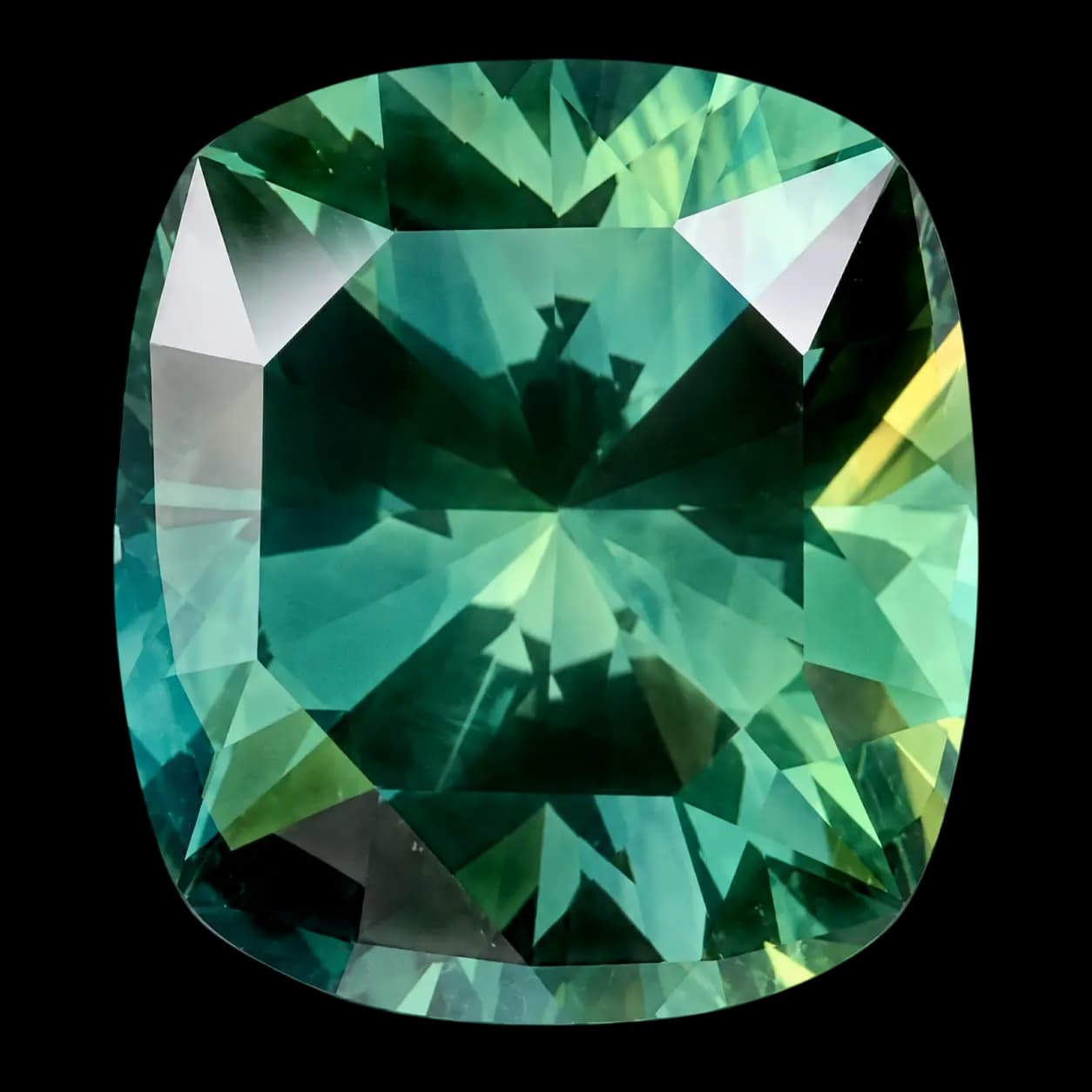
Australian Sapphire
Australian Sapphire is a remarkable variety of corundum admired for its deep blue tones, exceptional durability, and unique geological heritage. Sourced from Australia's ancient landscapes, these natural gemstones are valued by collectors and jewelry enthusiasts worldwide.
Australian Sapphire is a natural variety of sapphire, belonging to the corundum mineral family. Like all sapphires except red ruby, it is composed primarily of aluminium oxide with trace elements such as iron and titanium that create its distinctive colors.
Australia is one of the world's important sapphire-producing regions, with significant deposits found in Queensland's Anakie fields and New South Wales' New England region. These sapphires are commonly associated with ancient basaltic volcanic environments and alluvial deposits formed over millions of years. The geological conditions of Australia contribute to the gemstone's characteristic deep blue, greenish-blue, teal, yellow, and parti-colored appearances.
Australian Blue Sapphire is particularly recognized for its rich, darker blue coloration, often displaying subtle green or gray undertones. Some stones exhibit attractive teal hues, combining blue and green shades in a naturally unique appearance. These color variations make Australian Sapphire an appealing choice for collectors seeking distinctive gemstones beyond traditional blue sapphire varieties.
With a Mohs hardness rating of 9, Australian Sapphire is one of the hardest natural gemstones after diamond, making it highly suitable for everyday jewelry including rings, earrings, necklaces, and bracelets. It has a trigonal crystal system, vitreous luster, excellent durability, and no cleavage, allowing it to withstand regular wear when properly cared for.
Historically, Australian sapphire deposits gained international recognition during the 20th century as mining expanded in Queensland and New South Wales. Large sapphire crystals and a wide range of natural colors have contributed to Australia's reputation as a significant source of quality sapphire gemstones.
Today, Australian Sapphire continues to hold an important position in the global colored gemstone market. Collectors appreciate these gems for their natural origin, unique color character, durability, and connection to one of the world's most diverse geological environments. Australian Sapphire jewelry offers a distinctive alternative for buyers seeking a rare and responsibly sourced gemstone with lasting beauty.
- Mineral Family
- Corundum
- Chemical Formula
- Al₂O₃
- Mohs Hardness
- 9
- Refractive Index
- 1.760 - 1.770
- Specific Gravity
- 3.95 - 4.03
- Cleavage
- None
- Crystal System
- Trigonal
- Luster
- Vitreous
- Color Range
- Blue, Green, Yellow, Cyan, Gray
When buying Australian Sapphire, several factors influence quality, authenticity, and value.
Color: Color is one of the most important factors affecting Australian Sapphire value. Premium stones generally display strong saturation, attractive tone, and even color distribution. Deep blue, teal, and vivid blue-green shades are especially sought after by collectors.
Clarity: Natural sapphires commonly contain internal characteristics formed during growth. Eye-clean stones with good transparency generally command higher prices, although certain inclusions can help confirm natural origin.
Cut: A skilled cut enhances brilliance, color intensity, and overall appearance. Well-proportioned faceted Australian Sapphires reflect light effectively and showcase the gemstone's natural beauty.
Carat Weight: Larger Australian Sapphires are rarer and typically increase in value per carat when combined with excellent color and clarity. Size should always be considered together with overall gemstone quality.
Origin: Australian origin can add appeal for collectors who appreciate gemstones from recognized mining regions. Origin claims should be supported by reliable documentation when important for value.
Treatments: Many sapphires on the market may undergo heat treatment to improve color and clarity. Untreated Australian Sapphires with attractive natural colors are generally more valuable and should be clearly disclosed.
Certification: Buyers should request independent gemological certification describing natural status, treatments, and important characteristics.
Natural vs Synthetic: Natural Australian Sapphire forms through geological processes over millions of years, while synthetic sapphire is laboratory-created. Both have similar chemical compositions, but their origins and market values differ.
Pricing: Australian Sapphire prices vary widely depending on color quality, clarity, size, treatment status, and certification. High-quality stones with exceptional color and rarity typically command premium prices.
For online purchases, choose reputable sellers who provide detailed gemstone information, clear photographs, certification options, transparent treatment disclosure, and secure return policies.
Australian Sapphire is a durable gemstone suitable for everyday jewelry, but proper care helps preserve its brilliance and appearance.
Clean Australian Sapphire jewelry using warm water, mild soap, and a soft brush. Gently remove dirt around settings and rinse thoroughly after cleaning.
Ultrasonic cleaning is generally considered safe for untreated and stable sapphires, but caution is recommended for stones with fractures, significant inclusions, or certain treatments. Professional advice is recommended before ultrasonic cleaning.
Steam cleaning is usually suitable for untreated sapphires, but treated stones should be evaluated carefully before exposure to heat or steam.
Avoid harsh chemicals, strong acids, and abrasive cleaning materials that may affect the gemstone setting or reduce jewelry longevity.
Although sapphire is highly resistant to scratches, avoid strong impacts that could damage the stone or jewelry mounting. Store Australian Sapphire jewelry separately from softer gemstones to prevent scratching.
For frequently worn pieces, professional inspection of settings and cleaning by a jeweler is recommended to maintain long-term beauty and security.
Australian Sapphire is a natural variety of sapphire, belonging to the corundum mineral family. Like all sapphires except red ruby, it is composed primarily of aluminium oxide with trace elements such as iron and titanium that create its distinctive colors.
Australia is one of the world's important sapphire-producing regions, with significant deposits found in Queensland's Anakie fields and New South Wales' New England region. These sapphires are commonly associated with ancient basaltic volcanic environments and alluvial deposits formed over millions of years. The geological conditions of Australia contribute to the gemstone's characteristic deep blue, greenish-blue, teal, yellow, and parti-colored appearances.
Australian Blue Sapphire is particularly recognized for its rich, darker blue coloration, often displaying subtle green or gray undertones. Some stones exhibit attractive teal hues, combining blue and green shades in a naturally unique appearance. These color variations make Australian Sapphire an appealing choice for collectors seeking distinctive gemstones beyond traditional blue sapphire varieties.
With a Mohs hardness rating of 9, Australian Sapphire is one of the hardest natural gemstones after diamond, making it highly suitable for everyday jewelry including rings, earrings, necklaces, and bracelets. It has a trigonal crystal system, vitreous luster, excellent durability, and no cleavage, allowing it to withstand regular wear when properly cared for.
Historically, Australian sapphire deposits gained international recognition during the 20th century as mining expanded in Queensland and New South Wales. Large sapphire crystals and a wide range of natural colors have contributed to Australia's reputation as a significant source of quality sapphire gemstones.
Today, Australian Sapphire continues to hold an important position in the global colored gemstone market. Collectors appreciate these gems for their natural origin, unique color character, durability, and connection to one of the world's most diverse geological environments. Australian Sapphire jewelry offers a distinctive alternative for buyers seeking a rare and responsibly sourced gemstone with lasting beauty.
- Mineral Family
- Corundum
- Chemical Formula
- Al₂O₃
- Mohs Hardness
- 9
- Refractive Index
- 1.760 - 1.770
- Specific Gravity
- 3.95 - 4.03
- Cleavage
- None
- Crystal System
- Trigonal
- Luster
- Vitreous
- Color Range
- Blue, Green, Yellow, Cyan, Gray
When buying Australian Sapphire, several factors influence quality, authenticity, and value.
Color: Color is one of the most important factors affecting Australian Sapphire value. Premium stones generally display strong saturation, attractive tone, and even color distribution. Deep blue, teal, and vivid blue-green shades are especially sought after by collectors.
Clarity: Natural sapphires commonly contain internal characteristics formed during growth. Eye-clean stones with good transparency generally command higher prices, although certain inclusions can help confirm natural origin.
Cut: A skilled cut enhances brilliance, color intensity, and overall appearance. Well-proportioned faceted Australian Sapphires reflect light effectively and showcase the gemstone's natural beauty.
Carat Weight: Larger Australian Sapphires are rarer and typically increase in value per carat when combined with excellent color and clarity. Size should always be considered together with overall gemstone quality.
Origin: Australian origin can add appeal for collectors who appreciate gemstones from recognized mining regions. Origin claims should be supported by reliable documentation when important for value.
Treatments: Many sapphires on the market may undergo heat treatment to improve color and clarity. Untreated Australian Sapphires with attractive natural colors are generally more valuable and should be clearly disclosed.
Certification: Buyers should request independent gemological certification describing natural status, treatments, and important characteristics.
Natural vs Synthetic: Natural Australian Sapphire forms through geological processes over millions of years, while synthetic sapphire is laboratory-created. Both have similar chemical compositions, but their origins and market values differ.
Pricing: Australian Sapphire prices vary widely depending on color quality, clarity, size, treatment status, and certification. High-quality stones with exceptional color and rarity typically command premium prices.
For online purchases, choose reputable sellers who provide detailed gemstone information, clear photographs, certification options, transparent treatment disclosure, and secure return policies.
Australian Sapphire is a durable gemstone suitable for everyday jewelry, but proper care helps preserve its brilliance and appearance.
Clean Australian Sapphire jewelry using warm water, mild soap, and a soft brush. Gently remove dirt around settings and rinse thoroughly after cleaning.
Ultrasonic cleaning is generally considered safe for untreated and stable sapphires, but caution is recommended for stones with fractures, significant inclusions, or certain treatments. Professional advice is recommended before ultrasonic cleaning.
Steam cleaning is usually suitable for untreated sapphires, but treated stones should be evaluated carefully before exposure to heat or steam.
Avoid harsh chemicals, strong acids, and abrasive cleaning materials that may affect the gemstone setting or reduce jewelry longevity.
Although sapphire is highly resistant to scratches, avoid strong impacts that could damage the stone or jewelry mounting. Store Australian Sapphire jewelry separately from softer gemstones to prevent scratching.
For frequently worn pieces, professional inspection of settings and cleaning by a jeweler is recommended to maintain long-term beauty and security.
Australian Sapphire for Sale
No gems found
Try broadening your search or adjusting your filters.
Have a gem of your own? List it free - no fees