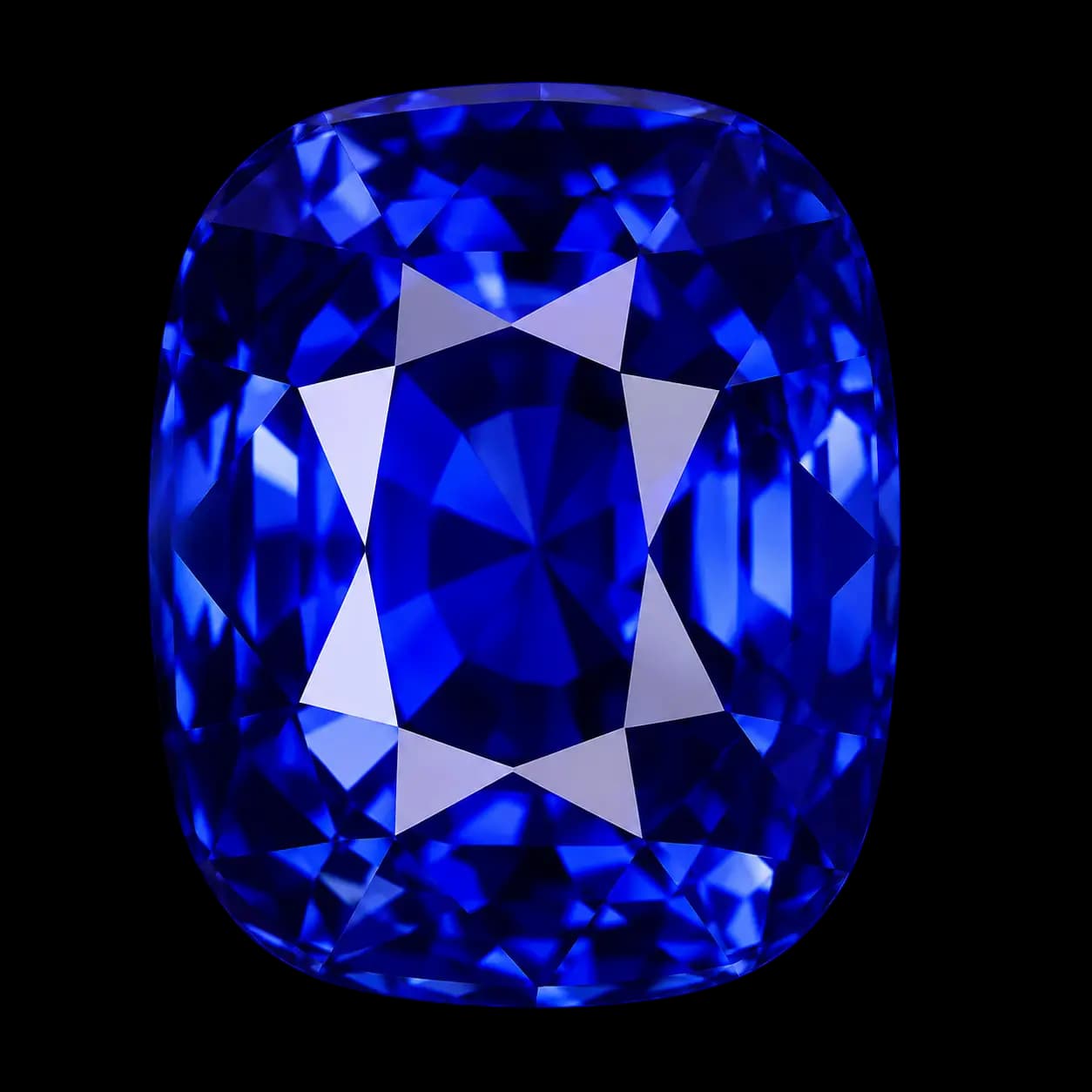
Madagascar Blue Sapphire
Madagascar Blue Sapphire is admired for its vivid blue hues, excellent brilliance, and natural beauty. This rare sapphire variety is prized by collectors and jewelry lovers worldwide.
Madagascar Blue Sapphire is a variety of corundum, one of the most durable gemstone minerals in the world. Known for its captivating blue shades and impressive brilliance, it has become a popular choice among collectors, jewelry designers, and gemstone enthusiasts.
Blue Sapphire belongs to the corundum mineral family and forms deep within the Earth's crust under high-pressure and high-temperature geological conditions. The blue color is mainly created by trace amounts of iron and titanium within the aluminium oxide crystal structure. Madagascar's diverse geological environment produces sapphires with a wide range of blue tones and attractive clarity.
Madagascar Blue Sapphire has the chemical formula Al₂O₃. It has a Mohs hardness of 9, making it one of the hardest natural gemstones after diamond. Its excellent durability, vitreous luster, and resistance to scratches make it suitable for rings, earrings, necklaces, and other fine jewelry pieces.
The most desirable Madagascar Blue Sapphires display vivid blue colors ranging from medium blue to deep royal blue. Some stones show a velvety appearance with excellent saturation, while others feature lighter shades with exceptional brightness. Color quality depends on tone, saturation, and the absence of undesirable gray or green influences.
Madagascar became an important sapphire-producing region after significant discoveries in the late 20th century. The island is now recognized as a major source of high-quality sapphires that can display characteristics comparable to sapphires from other famous origins. Madagascar gemstones are valued for their unique colors, transparency, and variety.
Natural Madagascar Blue Sapphire is widely used in luxury jewelry because of its beauty and durability. It is especially popular for engagement rings, statement jewelry, and custom-designed pieces. Many buyers appreciate it as a gemstone that combines elegance, rarity, and everyday wearability.
Collectors and jewelry buyers value Madagascar Blue Sapphire for its attractive blue color, natural origin, durability, and availability in a wide range of qualities. High-quality stones with excellent color, clarity, and certification are particularly sought after in the gemstone market.
- Mineral Family
- Corundum
- Chemical Formula
- Al₂O₃
- Mohs Hardness
- 9
- Refractive Index
- 1.760 - 1.770
- Specific Gravity
- 3.95 - 4.03
- Cleavage
- None (no true cleavage; parting may occur)
- Crystal System
- Trigonal
- Luster
- Vitreous
- Color Range
- Blue
When choosing a natural Madagascar Blue Sapphire, buyers should consider several important quality factors.
Color: Color is one of the most important factors affecting sapphire value. Premium Madagascar Blue Sapphires usually display strong blue saturation with balanced tone and excellent brightness. Stones with vivid, evenly distributed blue color are generally more desirable.
Clarity: Natural sapphires commonly contain internal characteristics formed during growth. Fine Madagascar Blue Sapphires may have excellent transparency, while minor inclusions can help confirm natural origin. Extremely clean stones are rare and often command higher prices.
Cut: A well-executed cut enhances the sapphire's brilliance, color distribution, and visual appeal. Popular cuts include oval, cushion, round, and emerald cuts. A poorly proportioned cut may reduce brightness and affect the gemstone's appearance.
Carat Weight: Larger Madagascar Blue Sapphires with strong color and good clarity are increasingly rare. As carat size increases, high-quality stones typically become more valuable due to their scarcity.
Origin: Madagascar origin is an important consideration for many collectors. A reputable gemological certificate can confirm geographic origin when available and provide details about treatment status and gemstone characteristics.
Treatments: Heat treatment is a commonly accepted enhancement method used in sapphires to improve color and clarity. Untreated Madagascar Blue Sapphires are generally rarer and may command premium prices. Buyers should always request disclosure of any treatments.
Natural vs Lab-Grown Sapphire: Natural Madagascar Blue Sapphire forms naturally in the Earth, while lab-grown sapphires are created through controlled processes. Both can have similar chemical properties, but natural stones are valued for their geological origin and rarity.
Certification and Authenticity: A reliable gemological report from recognized laboratories such as GIA, IGI, or other reputable institutions helps verify authenticity, treatment information, and gemstone characteristics. Certification provides confidence when purchasing valuable sapphires.
Price Factors: The price of Madagascar Blue Sapphire depends on color quality, clarity, carat weight, cut, origin, treatment status, and certification. Exceptional stones with vivid color and minimal treatment are among the most valuable.
Madagascar Blue Sapphire is highly durable, but proper care helps maintain its brilliance for generations.
Cleaning: Clean your sapphire jewelry using warm water, mild soap, and a soft brush. Gently remove dirt and oils, then rinse thoroughly and dry with a soft cloth.
Storage: Store Madagascar Blue Sapphire jewelry separately from other gemstones to prevent scratches. A fabric-lined jewelry box or soft pouch is recommended.
Everyday Wear Advice: With a Mohs hardness of 9, sapphire is suitable for everyday jewelry including rings and bracelets. However, avoid strong impacts that could damage the stone or its setting.
Things to Avoid: Avoid exposure to harsh chemicals, abrasive cleaners, and sudden extreme temperature changes. Ultrasonic or steam cleaning should only be used when recommended by a professional, especially for treated stones.
Madagascar Blue Sapphire is a variety of corundum, one of the most durable gemstone minerals in the world. Known for its captivating blue shades and impressive brilliance, it has become a popular choice among collectors, jewelry designers, and gemstone enthusiasts.
Blue Sapphire belongs to the corundum mineral family and forms deep within the Earth's crust under high-pressure and high-temperature geological conditions. The blue color is mainly created by trace amounts of iron and titanium within the aluminium oxide crystal structure. Madagascar's diverse geological environment produces sapphires with a wide range of blue tones and attractive clarity.
Madagascar Blue Sapphire has the chemical formula Al₂O₃. It has a Mohs hardness of 9, making it one of the hardest natural gemstones after diamond. Its excellent durability, vitreous luster, and resistance to scratches make it suitable for rings, earrings, necklaces, and other fine jewelry pieces.
The most desirable Madagascar Blue Sapphires display vivid blue colors ranging from medium blue to deep royal blue. Some stones show a velvety appearance with excellent saturation, while others feature lighter shades with exceptional brightness. Color quality depends on tone, saturation, and the absence of undesirable gray or green influences.
Madagascar became an important sapphire-producing region after significant discoveries in the late 20th century. The island is now recognized as a major source of high-quality sapphires that can display characteristics comparable to sapphires from other famous origins. Madagascar gemstones are valued for their unique colors, transparency, and variety.
Natural Madagascar Blue Sapphire is widely used in luxury jewelry because of its beauty and durability. It is especially popular for engagement rings, statement jewelry, and custom-designed pieces. Many buyers appreciate it as a gemstone that combines elegance, rarity, and everyday wearability.
Collectors and jewelry buyers value Madagascar Blue Sapphire for its attractive blue color, natural origin, durability, and availability in a wide range of qualities. High-quality stones with excellent color, clarity, and certification are particularly sought after in the gemstone market.
- Mineral Family
- Corundum
- Chemical Formula
- Al₂O₃
- Mohs Hardness
- 9
- Refractive Index
- 1.760 - 1.770
- Specific Gravity
- 3.95 - 4.03
- Cleavage
- None (no true cleavage; parting may occur)
- Crystal System
- Trigonal
- Luster
- Vitreous
- Color Range
- Blue
When choosing a natural Madagascar Blue Sapphire, buyers should consider several important quality factors.
Color: Color is one of the most important factors affecting sapphire value. Premium Madagascar Blue Sapphires usually display strong blue saturation with balanced tone and excellent brightness. Stones with vivid, evenly distributed blue color are generally more desirable.
Clarity: Natural sapphires commonly contain internal characteristics formed during growth. Fine Madagascar Blue Sapphires may have excellent transparency, while minor inclusions can help confirm natural origin. Extremely clean stones are rare and often command higher prices.
Cut: A well-executed cut enhances the sapphire's brilliance, color distribution, and visual appeal. Popular cuts include oval, cushion, round, and emerald cuts. A poorly proportioned cut may reduce brightness and affect the gemstone's appearance.
Carat Weight: Larger Madagascar Blue Sapphires with strong color and good clarity are increasingly rare. As carat size increases, high-quality stones typically become more valuable due to their scarcity.
Origin: Madagascar origin is an important consideration for many collectors. A reputable gemological certificate can confirm geographic origin when available and provide details about treatment status and gemstone characteristics.
Treatments: Heat treatment is a commonly accepted enhancement method used in sapphires to improve color and clarity. Untreated Madagascar Blue Sapphires are generally rarer and may command premium prices. Buyers should always request disclosure of any treatments.
Natural vs Lab-Grown Sapphire: Natural Madagascar Blue Sapphire forms naturally in the Earth, while lab-grown sapphires are created through controlled processes. Both can have similar chemical properties, but natural stones are valued for their geological origin and rarity.
Certification and Authenticity: A reliable gemological report from recognized laboratories such as GIA, IGI, or other reputable institutions helps verify authenticity, treatment information, and gemstone characteristics. Certification provides confidence when purchasing valuable sapphires.
Price Factors: The price of Madagascar Blue Sapphire depends on color quality, clarity, carat weight, cut, origin, treatment status, and certification. Exceptional stones with vivid color and minimal treatment are among the most valuable.
Madagascar Blue Sapphire is highly durable, but proper care helps maintain its brilliance for generations.
Cleaning: Clean your sapphire jewelry using warm water, mild soap, and a soft brush. Gently remove dirt and oils, then rinse thoroughly and dry with a soft cloth.
Storage: Store Madagascar Blue Sapphire jewelry separately from other gemstones to prevent scratches. A fabric-lined jewelry box or soft pouch is recommended.
Everyday Wear Advice: With a Mohs hardness of 9, sapphire is suitable for everyday jewelry including rings and bracelets. However, avoid strong impacts that could damage the stone or its setting.
Things to Avoid: Avoid exposure to harsh chemicals, abrasive cleaners, and sudden extreme temperature changes. Ultrasonic or steam cleaning should only be used when recommended by a professional, especially for treated stones.
Madagascar Blue Sapphire for Sale
No gems found
Try broadening your search or adjusting your filters.
Have a gem of your own? List it free - no fees