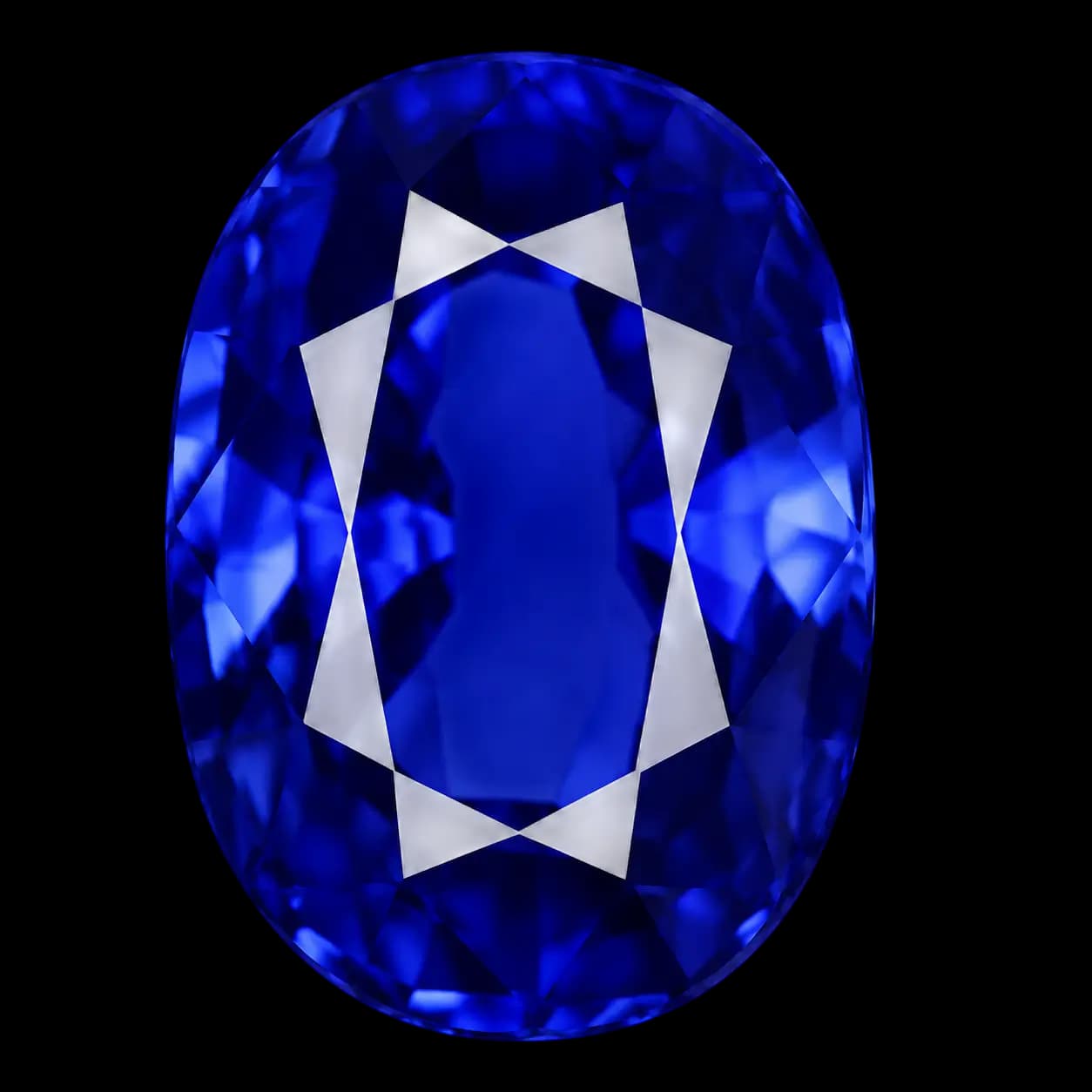
Kashmir Blue Sapphire
Kashmir Blue Sapphire is one of the world's most admired gemstones, celebrated for its rare velvety blue color, exceptional beauty, and historic significance among collectors and jewelry enthusiasts.
Kashmir Blue Sapphire is among the most prestigious varieties of sapphire, a gemstone from the corundum mineral family. It is valued worldwide for its distinctive cornflower blue color, soft velvety appearance, rarity, and remarkable historical importance.
Sapphires are the blue variety of corundum, an aluminum oxide mineral with the chemical formula Al₂O₃. Trace amounts of iron and titanium create the blue coloration found in sapphire. Kashmir Blue Sapphires are especially admired for their fine internal texture, often caused by microscopic rutile inclusions that create a silky, glowing appearance.
The famous Kashmir deposits were discovered in the late 19th century in the Himalayan region of northern India. Although these mines produced exceptional stones for a relatively short period, their supply became extremely limited, making Kashmir-origin sapphires highly sought after by collectors, museums, and gemstone connoisseurs.
The signature color of Kashmir Blue Sapphire ranges from soft cornflower blue to rich, saturated blue. The finest examples display a balanced combination of vivid color, transparency, and a subtle velvety glow rather than excessive darkness or artificial brightness.
With a Mohs hardness of 9, sapphire is one of the hardest natural gemstones after diamond, making it suitable for rings, earrings, necklaces, and other fine jewelry pieces. Modern buyers value Kashmir Blue Sapphire jewelry for its timeless elegance, rarity, and connection to gemstone history.
- Mineral Family
- Corundum
- Chemical Formula
- Al₂O₃
- Mohs Hardness
- 9
- Refractive Index
- 1.760 - 1.770
- Specific Gravity
- 3.95 - 4.03
- Cleavage
- None
- Crystal System
- Trigonal
- Luster
- Vitreous
- Color Range
- Blue
Choosing a natural Kashmir Blue Sapphire requires careful evaluation of several important quality factors.
Color: Color is the most important factor in determining value. Premium Kashmir Blue Sapphires are known for their intense yet balanced cornflower blue tones with a velvety appearance. Stones that are too dark, too gray, or overly pale generally have lower value.
Clarity: Unlike diamonds, sapphire value is not based on complete absence of inclusions. Fine Kashmir Blue Sapphires often contain microscopic inclusions that contribute to their unique silky texture. However, excessive fractures or distracting inclusions can reduce beauty and durability.
Cut: A well-executed cut enhances the sapphire’s color, brilliance, and overall appearance. Popular cuts include oval, cushion, round, and other shapes designed to maximize the gemstone’s natural color.
Carat: Larger Kashmir Blue Sapphires with exceptional color and clarity are extremely rare. Carat weight influences value, but quality factors such as color and origin often have a greater impact.
Origin: Kashmir origin is one of the most important factors for collectors. Because original Kashmir deposits are historically significant and production is extremely limited, verified origin can greatly influence value.
Treatments: Many sapphires worldwide undergo heat treatment to improve color and clarity. Natural, untreated Kashmir Blue Sapphires are exceptionally rare and typically command premium prices. Treatment disclosure is essential when purchasing.
Natural vs Lab-Grown: Natural Kashmir Blue Sapphire refers to a gemstone formed naturally in the earth. Lab-grown sapphires can have similar chemical and physical properties but do not carry the same geological rarity or collector value.
Certification and Authenticity: A reputable gemological certificate is highly recommended for valuable Kashmir Blue Sapphire purchases. Certification helps verify whether the gemstone is natural, treated or untreated, and provides important details about its characteristics.
Price Factors: Kashmir Blue Sapphire prices depend on origin verification, color quality, clarity, size, treatment status, and market demand. Exceptional untreated specimens can reach significant values at international gemstone auctions.
Kashmir Blue Sapphire is a durable gemstone suitable for regular jewelry wear, but proper care helps preserve its beauty.
Clean the gemstone using lukewarm water, mild soap, and a soft brush. Gently remove dirt and oils, then dry it with a soft microfiber cloth.
Avoid exposing Kashmir Blue Sapphire jewelry to harsh chemicals, abrasive cleaners, and sudden temperature changes. Although sapphire is highly durable, strong impacts can damage the stone or its setting.
Store sapphire jewelry separately from softer gemstones to prevent scratches. Keep pieces in a fabric-lined jewelry box or individual pouch when not being worn.
For valuable Kashmir Blue Sapphire jewelry, periodic professional inspection is recommended to check the gemstone setting and maintain long-term security.
Kashmir Blue Sapphire is among the most prestigious varieties of sapphire, a gemstone from the corundum mineral family. It is valued worldwide for its distinctive cornflower blue color, soft velvety appearance, rarity, and remarkable historical importance.
Sapphires are the blue variety of corundum, an aluminum oxide mineral with the chemical formula Al₂O₃. Trace amounts of iron and titanium create the blue coloration found in sapphire. Kashmir Blue Sapphires are especially admired for their fine internal texture, often caused by microscopic rutile inclusions that create a silky, glowing appearance.
The famous Kashmir deposits were discovered in the late 19th century in the Himalayan region of northern India. Although these mines produced exceptional stones for a relatively short period, their supply became extremely limited, making Kashmir-origin sapphires highly sought after by collectors, museums, and gemstone connoisseurs.
The signature color of Kashmir Blue Sapphire ranges from soft cornflower blue to rich, saturated blue. The finest examples display a balanced combination of vivid color, transparency, and a subtle velvety glow rather than excessive darkness or artificial brightness.
With a Mohs hardness of 9, sapphire is one of the hardest natural gemstones after diamond, making it suitable for rings, earrings, necklaces, and other fine jewelry pieces. Modern buyers value Kashmir Blue Sapphire jewelry for its timeless elegance, rarity, and connection to gemstone history.
- Mineral Family
- Corundum
- Chemical Formula
- Al₂O₃
- Mohs Hardness
- 9
- Refractive Index
- 1.760 - 1.770
- Specific Gravity
- 3.95 - 4.03
- Cleavage
- None
- Crystal System
- Trigonal
- Luster
- Vitreous
- Color Range
- Blue
Choosing a natural Kashmir Blue Sapphire requires careful evaluation of several important quality factors.
Color: Color is the most important factor in determining value. Premium Kashmir Blue Sapphires are known for their intense yet balanced cornflower blue tones with a velvety appearance. Stones that are too dark, too gray, or overly pale generally have lower value.
Clarity: Unlike diamonds, sapphire value is not based on complete absence of inclusions. Fine Kashmir Blue Sapphires often contain microscopic inclusions that contribute to their unique silky texture. However, excessive fractures or distracting inclusions can reduce beauty and durability.
Cut: A well-executed cut enhances the sapphire’s color, brilliance, and overall appearance. Popular cuts include oval, cushion, round, and other shapes designed to maximize the gemstone’s natural color.
Carat: Larger Kashmir Blue Sapphires with exceptional color and clarity are extremely rare. Carat weight influences value, but quality factors such as color and origin often have a greater impact.
Origin: Kashmir origin is one of the most important factors for collectors. Because original Kashmir deposits are historically significant and production is extremely limited, verified origin can greatly influence value.
Treatments: Many sapphires worldwide undergo heat treatment to improve color and clarity. Natural, untreated Kashmir Blue Sapphires are exceptionally rare and typically command premium prices. Treatment disclosure is essential when purchasing.
Natural vs Lab-Grown: Natural Kashmir Blue Sapphire refers to a gemstone formed naturally in the earth. Lab-grown sapphires can have similar chemical and physical properties but do not carry the same geological rarity or collector value.
Certification and Authenticity: A reputable gemological certificate is highly recommended for valuable Kashmir Blue Sapphire purchases. Certification helps verify whether the gemstone is natural, treated or untreated, and provides important details about its characteristics.
Price Factors: Kashmir Blue Sapphire prices depend on origin verification, color quality, clarity, size, treatment status, and market demand. Exceptional untreated specimens can reach significant values at international gemstone auctions.
Kashmir Blue Sapphire is a durable gemstone suitable for regular jewelry wear, but proper care helps preserve its beauty.
Clean the gemstone using lukewarm water, mild soap, and a soft brush. Gently remove dirt and oils, then dry it with a soft microfiber cloth.
Avoid exposing Kashmir Blue Sapphire jewelry to harsh chemicals, abrasive cleaners, and sudden temperature changes. Although sapphire is highly durable, strong impacts can damage the stone or its setting.
Store sapphire jewelry separately from softer gemstones to prevent scratches. Keep pieces in a fabric-lined jewelry box or individual pouch when not being worn.
For valuable Kashmir Blue Sapphire jewelry, periodic professional inspection is recommended to check the gemstone setting and maintain long-term security.
Kashmir Blue Sapphire for Sale
No gems found
Try broadening your search or adjusting your filters.
Have a gem of your own? List it free - no fees