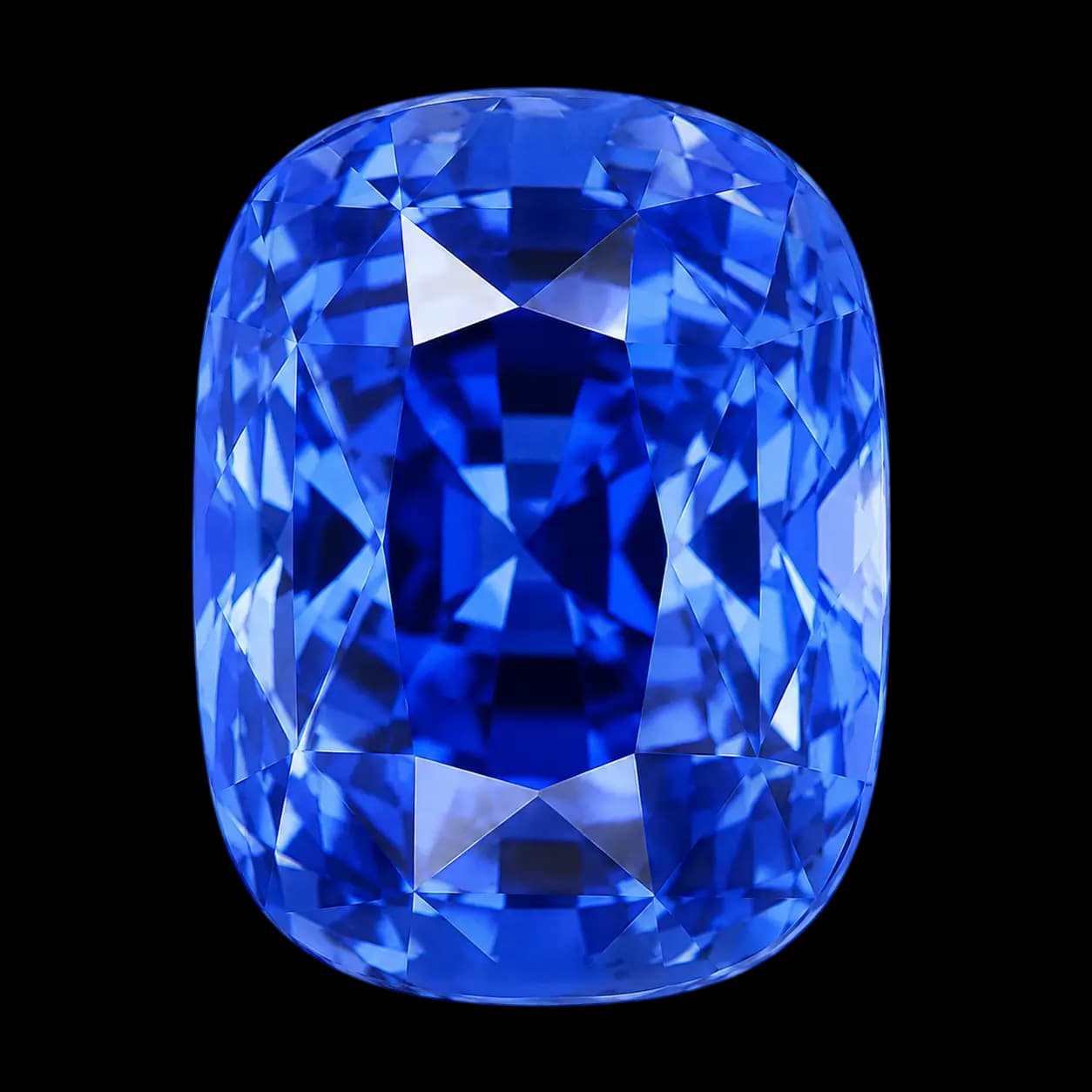
Cornflower Blue Sapphire
Cornflower Blue Sapphire is a highly admired sapphire variety known for its elegant medium blue color with a subtle violet tone. Valued for its rarity, durability, and exceptional beauty, it is a favorite among collectors and fine jewelry enthusiasts.
Cornflower Blue Sapphire is a distinguished variety of blue sapphire, recognized for its balanced, vivid blue color that resembles the soft blue petals of the cornflower flower. It belongs to the corundum mineral family, one of the most durable gemstone groups in the world.
Sapphires are varieties of corundum, with their blue color primarily caused by trace amounts of iron and titanium within the crystal structure. These gemstones form deep within the Earth under intense heat and pressure over millions of years, making each natural Cornflower Blue Sapphire a unique creation of nature.
With a Mohs hardness of 9, sapphire is one of the hardest natural gemstones after diamond, making it an excellent choice for rings, earrings, pendants, and other jewelry designed for regular wear. It displays a vitreous luster and excellent durability, although proper care is still recommended.
The most desirable Cornflower Blue Sapphire displays a medium, saturated blue tone with a velvety appearance. Stones that are too dark may appear less lively, while very light stones may lack the depth associated with premium examples.
Historically, blue sapphires have been treasured by royalty and collectors across different cultures. Notable sources include Kashmir, Sri Lanka, and Myanmar, with Kashmir sapphires especially famous for their exceptional velvety blue appearance. Sri Lankan sapphires are also highly respected for their brightness and attractive color range.
Today, Cornflower Blue Sapphire jewelry is admired worldwide for its timeless elegance. Its classic blue color makes it suitable for luxury engagement rings, statement jewelry, and collectible gemstone pieces. Buyers value natural Cornflower Blue Sapphire for its beauty, rarity, durability, and long-term appeal.
- Mineral Family
- Corundum
- Chemical Formula
- Al₂O₃
- Mohs Hardness
- 9
- Refractive Index
- 1.760 - 1.770
- Specific Gravity
- 3.95 - 4.03
- Cleavage
- None
- Crystal System
- Trigonal
- Luster
- Vitreous
- Color Range
- Blue
When choosing a natural Cornflower Blue Sapphire gemstone, buyers should evaluate several important quality factors.
Color: Color is the most significant factor affecting Cornflower Blue Sapphire value. The most desirable stones show a vivid, medium blue color with strong saturation and a subtle violet undertone. A balanced color that is neither too dark nor too pale is generally preferred by collectors and jewelry buyers.
Clarity: Natural sapphires commonly contain internal characteristics formed during growth. Fine-quality Cornflower Blue Sapphires should have good transparency and attractive appearance. Minor inclusions may be acceptable when they do not reduce beauty or durability.
Cut: A skilled cut enhances the sapphire’s color, brilliance, and overall appearance. Popular cuts include oval, cushion, round, and emerald cuts. A well-proportioned cut allows light to interact effectively with the gemstone.
Carat: Larger Cornflower Blue Sapphires are rarer and can command higher prices, especially when they combine excellent color and clarity. However, overall quality is more important than size alone.
Origin: Origin can influence collector interest and market value. Kashmir, Myanmar, and Sri Lanka are among the most recognized sapphire sources. Laboratory reports may identify geographic origin when sufficient evidence is available.
Treatments: Many blue sapphires available in the market are heat treated to improve color and clarity. Heat treatment is an accepted industry practice when properly disclosed. Untreated natural Cornflower Blue Sapphires with attractive color are rarer and often more valuable.
Natural vs Lab-Grown: Natural Cornflower Blue Sapphire forms through geological processes over millions of years. Lab-grown sapphires have similar chemical and physical properties but are created in controlled environments. Buyers should confirm whether a gemstone is natural or synthetic before purchasing.
Certification and Authenticity: A reputable gemological certificate can confirm important details such as gemstone identity, treatments, and sometimes origin. Certification from recognized laboratories helps buyers make confident purchasing decisions.
Price Factors: The price of Cornflower Blue Sapphire depends on color quality, clarity, carat weight, origin, treatment status, cut quality, and certification. Rare untreated stones with exceptional color can achieve significantly higher values.
Cornflower Blue Sapphire is highly durable and suitable for everyday jewelry, but proper care helps maintain its beauty.
Clean the gemstone using warm water, mild soap, and a soft brush. Gently remove dirt and rinse thoroughly before drying with a soft cloth.
Store sapphire jewelry separately from softer gemstones to avoid scratches. A fabric-lined jewelry box or individual pouch is recommended.
Avoid exposing sapphire jewelry to harsh chemicals, strong cleaning agents, or sudden temperature changes. Although sapphire is durable, jewelry settings should be checked regularly to ensure the stone remains secure.
Following these care practices helps preserve the brilliance and appearance of your Cornflower Blue Sapphire jewelry for generations.
Cornflower Blue Sapphire is a distinguished variety of blue sapphire, recognized for its balanced, vivid blue color that resembles the soft blue petals of the cornflower flower. It belongs to the corundum mineral family, one of the most durable gemstone groups in the world.
Sapphires are varieties of corundum, with their blue color primarily caused by trace amounts of iron and titanium within the crystal structure. These gemstones form deep within the Earth under intense heat and pressure over millions of years, making each natural Cornflower Blue Sapphire a unique creation of nature.
With a Mohs hardness of 9, sapphire is one of the hardest natural gemstones after diamond, making it an excellent choice for rings, earrings, pendants, and other jewelry designed for regular wear. It displays a vitreous luster and excellent durability, although proper care is still recommended.
The most desirable Cornflower Blue Sapphire displays a medium, saturated blue tone with a velvety appearance. Stones that are too dark may appear less lively, while very light stones may lack the depth associated with premium examples.
Historically, blue sapphires have been treasured by royalty and collectors across different cultures. Notable sources include Kashmir, Sri Lanka, and Myanmar, with Kashmir sapphires especially famous for their exceptional velvety blue appearance. Sri Lankan sapphires are also highly respected for their brightness and attractive color range.
Today, Cornflower Blue Sapphire jewelry is admired worldwide for its timeless elegance. Its classic blue color makes it suitable for luxury engagement rings, statement jewelry, and collectible gemstone pieces. Buyers value natural Cornflower Blue Sapphire for its beauty, rarity, durability, and long-term appeal.
- Mineral Family
- Corundum
- Chemical Formula
- Al₂O₃
- Mohs Hardness
- 9
- Refractive Index
- 1.760 - 1.770
- Specific Gravity
- 3.95 - 4.03
- Cleavage
- None
- Crystal System
- Trigonal
- Luster
- Vitreous
- Color Range
- Blue
When choosing a natural Cornflower Blue Sapphire gemstone, buyers should evaluate several important quality factors.
Color: Color is the most significant factor affecting Cornflower Blue Sapphire value. The most desirable stones show a vivid, medium blue color with strong saturation and a subtle violet undertone. A balanced color that is neither too dark nor too pale is generally preferred by collectors and jewelry buyers.
Clarity: Natural sapphires commonly contain internal characteristics formed during growth. Fine-quality Cornflower Blue Sapphires should have good transparency and attractive appearance. Minor inclusions may be acceptable when they do not reduce beauty or durability.
Cut: A skilled cut enhances the sapphire’s color, brilliance, and overall appearance. Popular cuts include oval, cushion, round, and emerald cuts. A well-proportioned cut allows light to interact effectively with the gemstone.
Carat: Larger Cornflower Blue Sapphires are rarer and can command higher prices, especially when they combine excellent color and clarity. However, overall quality is more important than size alone.
Origin: Origin can influence collector interest and market value. Kashmir, Myanmar, and Sri Lanka are among the most recognized sapphire sources. Laboratory reports may identify geographic origin when sufficient evidence is available.
Treatments: Many blue sapphires available in the market are heat treated to improve color and clarity. Heat treatment is an accepted industry practice when properly disclosed. Untreated natural Cornflower Blue Sapphires with attractive color are rarer and often more valuable.
Natural vs Lab-Grown: Natural Cornflower Blue Sapphire forms through geological processes over millions of years. Lab-grown sapphires have similar chemical and physical properties but are created in controlled environments. Buyers should confirm whether a gemstone is natural or synthetic before purchasing.
Certification and Authenticity: A reputable gemological certificate can confirm important details such as gemstone identity, treatments, and sometimes origin. Certification from recognized laboratories helps buyers make confident purchasing decisions.
Price Factors: The price of Cornflower Blue Sapphire depends on color quality, clarity, carat weight, origin, treatment status, cut quality, and certification. Rare untreated stones with exceptional color can achieve significantly higher values.
Cornflower Blue Sapphire is highly durable and suitable for everyday jewelry, but proper care helps maintain its beauty.
Clean the gemstone using warm water, mild soap, and a soft brush. Gently remove dirt and rinse thoroughly before drying with a soft cloth.
Store sapphire jewelry separately from softer gemstones to avoid scratches. A fabric-lined jewelry box or individual pouch is recommended.
Avoid exposing sapphire jewelry to harsh chemicals, strong cleaning agents, or sudden temperature changes. Although sapphire is durable, jewelry settings should be checked regularly to ensure the stone remains secure.
Following these care practices helps preserve the brilliance and appearance of your Cornflower Blue Sapphire jewelry for generations.
Cornflower Blue Sapphire for Sale
No gems found
Try broadening your search or adjusting your filters.
Have a gem of your own? List it free - no fees