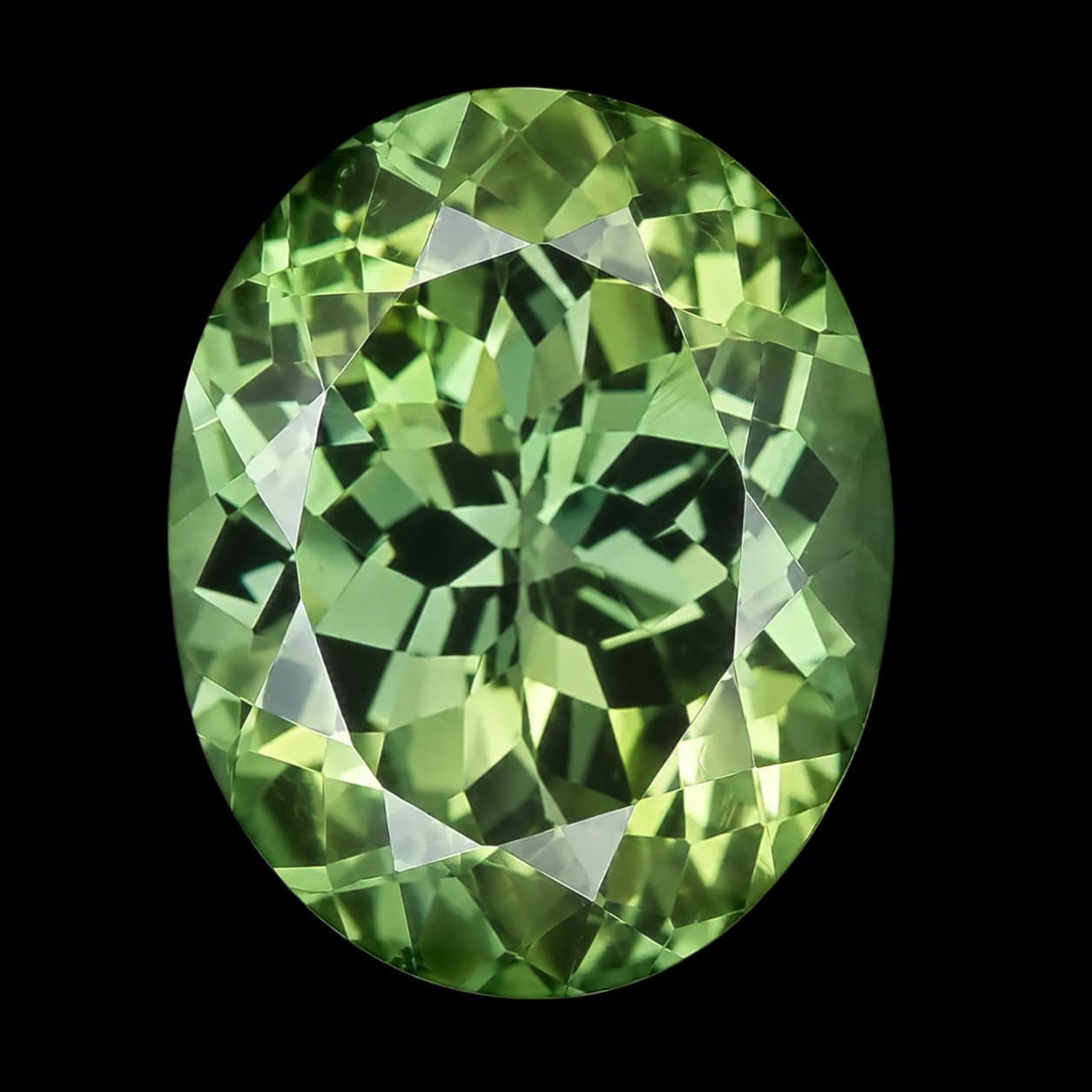
Ceylon Green Sapphire
Ceylon Green Sapphire is a rare and elegant variety of natural sapphire from Sri Lanka, admired for its distinctive green hues, exceptional durability, and timeless appeal in fine jewelry.
Ceylon Green Sapphire is a natural green variety of sapphire, belonging to the corundum mineral family. Corundum is one of the hardest natural minerals, second only to diamond, making sapphire highly suitable for everyday jewelry.
The green color of Ceylon Green Sapphire is created mainly by trace amounts of iron within the crystal structure. Unlike blue sapphire, which receives its iconic color from a combination of iron and titanium, green sapphire develops its unique appearance through different trace element interactions.
With the chemical composition Al₂O₃, Ceylon Green Sapphire has excellent hardness, a vitreous luster, and strong resistance to scratching. It crystallizes in the trigonal crystal system and typically shows transparent to translucent clarity depending on the quality of the gemstone.
Sri Lanka, historically known as Ceylon, is one of the world's most important sapphire-producing regions. Ceylon gemstones are valued internationally for their attractive colors, natural beauty, and long-standing reputation among collectors and jewelry enthusiasts.
Green sapphires from Sri Lanka can display a range of shades from soft pastel green to deeper forest and olive-green tones. Fine examples with strong saturation, good transparency, and attractive cutting are especially sought after.
Today, Ceylon Green Sapphire is used in rings, earrings, pendants, and custom jewelry designs. Buyers appreciate it as a distinctive alternative to more common colored gemstones, offering sapphire's legendary durability with a unique natural color.
- Mineral Family
- Corundum
- Chemical Formula
- Al₂O₃
- Mohs Hardness
- 9
- Refractive Index
- 1.760 - 1.770
- Specific Gravity
- 4.00
- Cleavage
- None
- Crystal System
- Trigonal
- Luster
- Vitreous
- Color Range
- Green
When buying Ceylon Green Sapphire, several factors influence quality, rarity, and value.
Color: Color is the most important factor. Premium stones typically display attractive green tones with good saturation and even distribution. Very pale or overly dark stones may have lower appeal depending on personal preference.
Clarity: Natural sapphires commonly contain internal features formed during growth. Eye-clean stones with good transparency are generally more desirable, although some inclusions can help confirm natural origin.
Cut: A skilled cut enhances the gemstone's color, brilliance, and overall appearance. Well-proportioned cuts maximize light reflection and visual appeal.
Carat: Larger Ceylon Green Sapphires with strong color and clarity are rarer and generally command higher prices.
Origin: Sri Lankan origin is highly regarded due to the country's historic gemstone production and reputation for fine sapphires.
Treatments: Some sapphires undergo heat treatment to improve color and clarity. Untreated natural Ceylon Green Sapphires are generally rarer and may carry higher value. Buyers should always request treatment disclosure.
Natural vs Lab-Grown: Natural sapphires form through geological processes over millions of years, while lab-grown sapphires are created in controlled environments. Both have the same chemical composition, but natural stones are valued for their rarity.
Certification: A reputable gemological certificate can verify gemstone identity, natural origin, treatments, and important quality characteristics.
Price Factors: Value depends on color quality, clarity, size, origin, treatment status, cut quality, and certification.
Ceylon Green Sapphire is highly durable and suitable for everyday jewelry due to its Mohs hardness of 9. To maintain its beauty, clean the gemstone with warm water, mild soap, and a soft brush. Rinse thoroughly and dry with a soft cloth.
Store sapphire jewelry separately from softer gemstones to prevent scratches. A fabric-lined jewelry box or individual pouch is recommended.
Avoid exposing the gemstone to harsh chemicals, strong cleaning agents, or sudden temperature changes. Although sapphire is durable, professional inspection of jewelry settings is recommended periodically to ensure secure mounting.
Ceylon Green Sapphire is a natural green variety of sapphire, belonging to the corundum mineral family. Corundum is one of the hardest natural minerals, second only to diamond, making sapphire highly suitable for everyday jewelry.
The green color of Ceylon Green Sapphire is created mainly by trace amounts of iron within the crystal structure. Unlike blue sapphire, which receives its iconic color from a combination of iron and titanium, green sapphire develops its unique appearance through different trace element interactions.
With the chemical composition Al₂O₃, Ceylon Green Sapphire has excellent hardness, a vitreous luster, and strong resistance to scratching. It crystallizes in the trigonal crystal system and typically shows transparent to translucent clarity depending on the quality of the gemstone.
Sri Lanka, historically known as Ceylon, is one of the world's most important sapphire-producing regions. Ceylon gemstones are valued internationally for their attractive colors, natural beauty, and long-standing reputation among collectors and jewelry enthusiasts.
Green sapphires from Sri Lanka can display a range of shades from soft pastel green to deeper forest and olive-green tones. Fine examples with strong saturation, good transparency, and attractive cutting are especially sought after.
Today, Ceylon Green Sapphire is used in rings, earrings, pendants, and custom jewelry designs. Buyers appreciate it as a distinctive alternative to more common colored gemstones, offering sapphire's legendary durability with a unique natural color.
- Mineral Family
- Corundum
- Chemical Formula
- Al₂O₃
- Mohs Hardness
- 9
- Refractive Index
- 1.760 - 1.770
- Specific Gravity
- 4.00
- Cleavage
- None
- Crystal System
- Trigonal
- Luster
- Vitreous
- Color Range
- Green
When buying Ceylon Green Sapphire, several factors influence quality, rarity, and value.
Color: Color is the most important factor. Premium stones typically display attractive green tones with good saturation and even distribution. Very pale or overly dark stones may have lower appeal depending on personal preference.
Clarity: Natural sapphires commonly contain internal features formed during growth. Eye-clean stones with good transparency are generally more desirable, although some inclusions can help confirm natural origin.
Cut: A skilled cut enhances the gemstone's color, brilliance, and overall appearance. Well-proportioned cuts maximize light reflection and visual appeal.
Carat: Larger Ceylon Green Sapphires with strong color and clarity are rarer and generally command higher prices.
Origin: Sri Lankan origin is highly regarded due to the country's historic gemstone production and reputation for fine sapphires.
Treatments: Some sapphires undergo heat treatment to improve color and clarity. Untreated natural Ceylon Green Sapphires are generally rarer and may carry higher value. Buyers should always request treatment disclosure.
Natural vs Lab-Grown: Natural sapphires form through geological processes over millions of years, while lab-grown sapphires are created in controlled environments. Both have the same chemical composition, but natural stones are valued for their rarity.
Certification: A reputable gemological certificate can verify gemstone identity, natural origin, treatments, and important quality characteristics.
Price Factors: Value depends on color quality, clarity, size, origin, treatment status, cut quality, and certification.
Ceylon Green Sapphire is highly durable and suitable for everyday jewelry due to its Mohs hardness of 9. To maintain its beauty, clean the gemstone with warm water, mild soap, and a soft brush. Rinse thoroughly and dry with a soft cloth.
Store sapphire jewelry separately from softer gemstones to prevent scratches. A fabric-lined jewelry box or individual pouch is recommended.
Avoid exposing the gemstone to harsh chemicals, strong cleaning agents, or sudden temperature changes. Although sapphire is durable, professional inspection of jewelry settings is recommended periodically to ensure secure mounting.
Ceylon Green Sapphire for Sale
No gems found
Try broadening your search or adjusting your filters.
Have a gem of your own? List it free - no fees