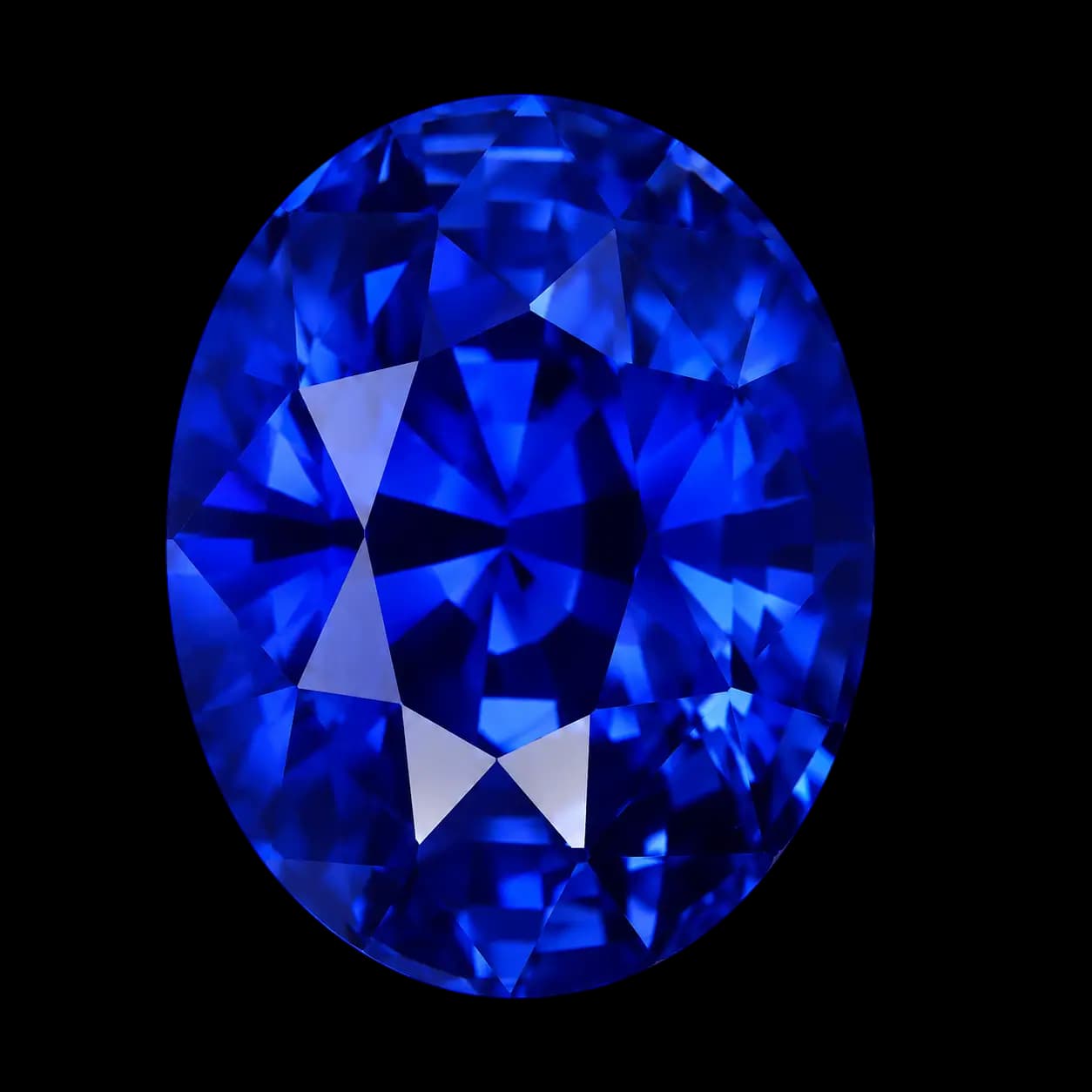
Ceylon Cornflower Blue Sapphire
Ceylon Cornflower Blue Sapphire is admired for its elegant medium blue hue, exceptional durability, and timeless appeal in fine sapphire jewelry.
Ceylon Cornflower Blue Sapphire is a premium variety of natural blue sapphire from Sri Lanka, historically known as Ceylon. It belongs to the corundum mineral family, one of the hardest natural gemstone groups after diamond.
Formed deep within the Earth under intense heat and pressure over millions of years, sapphire develops when aluminium oxide crystallizes with trace elements such as iron and titanium, which create its beautiful blue coloration. The term “cornflower blue” describes a highly desirable blue tone that is balanced, vivid, and often shows a soft velvety appearance.
As a variety of corundum, Ceylon Cornflower Blue Sapphire has excellent physical properties, including a Mohs hardness of 9, vitreous luster, and strong resistance to everyday wear. Its crystal structure is trigonal, and it has no cleavage, making it a popular choice for rings, earrings, necklaces, and other fine sapphire jewelry.
Sri Lankan sapphires have been valued for centuries due to their attractive colors, transparency, and gemstone heritage. Famous Sri Lankan sapphire examples have appeared in royal collections and major gemstone exhibitions worldwide.
Modern buyers value Ceylon Cornflower Blue Sapphire for its natural beauty, rarity, durability, and connection to one of the world's most respected sapphire-producing regions.
- Mineral Family
- Corundum
- Chemical Formula
- Al₂O₃
- Mohs Hardness
- 9
- Refractive Index
- 1.760 - 1.770
- Specific Gravity
- 3.95 - 4.03
- Cleavage
- None
- Crystal System
- Trigonal
- Luster
- Vitreous
- Color Range
- Blue
When choosing a natural Ceylon Cornflower Blue Sapphire, several factors influence quality and value.
Color: Color is the most important factor. Premium stones display a balanced cornflower blue shade with strong saturation, attractive tone, and even color distribution. Extremely dark or overly pale stones are generally less desirable.
Clarity: Natural sapphires commonly contain internal features created during formation. High-quality stones with good transparency and fewer visible inclusions are typically more valuable.
Cut: A well-executed cut improves brilliance, color presentation, and overall beauty. Popular sapphire cuts include oval, cushion, round, and emerald cuts.
Carat: Larger sapphires with excellent color and clarity are rarer and usually command higher prices.
Origin: Sri Lankan origin is highly appreciated among collectors because of the region's long sapphire history and reputation for producing attractive blue sapphires.
Treatments: Many sapphires are heat treated to improve color and clarity. Untreated natural sapphires are generally rarer and may carry premium value. Treatment disclosure is important when purchasing.
Natural vs Lab-Grown: Natural Ceylon Cornflower Blue Sapphire forms naturally in the Earth, while lab-grown sapphire is created in controlled environments. Both can have similar chemical properties, but they differ in origin and market value.
Certification: Buyers should request an independent gemological certificate confirming natural origin, gemstone identification, and any treatments.
Price Factors: Price depends on color quality, clarity, size, origin, treatment status, certification, and overall rarity.
Ceylon Cornflower Blue Sapphire is highly durable and suitable for everyday jewelry, but proper care helps maintain its beauty.
Cleaning: Clean your sapphire jewelry using warm water, mild soap, and a soft brush. Rinse carefully and dry with a soft cloth.
Storage: Store sapphire pieces separately from softer gemstones to prevent scratches. A fabric-lined jewelry box or individual pouch is recommended.
Everyday Wear: Sapphire is excellent for rings and frequently worn jewelry because of its high hardness. However, avoid strong impacts that could damage the setting or gemstone.
Avoid: Keep the gemstone away from harsh chemicals, strong cleaning agents, and sudden extreme temperature changes. Ultrasonic and steam cleaning should be used cautiously, especially for treated stones or jewelry with fragile settings.
Ceylon Cornflower Blue Sapphire is a premium variety of natural blue sapphire from Sri Lanka, historically known as Ceylon. It belongs to the corundum mineral family, one of the hardest natural gemstone groups after diamond.
Formed deep within the Earth under intense heat and pressure over millions of years, sapphire develops when aluminium oxide crystallizes with trace elements such as iron and titanium, which create its beautiful blue coloration. The term “cornflower blue” describes a highly desirable blue tone that is balanced, vivid, and often shows a soft velvety appearance.
As a variety of corundum, Ceylon Cornflower Blue Sapphire has excellent physical properties, including a Mohs hardness of 9, vitreous luster, and strong resistance to everyday wear. Its crystal structure is trigonal, and it has no cleavage, making it a popular choice for rings, earrings, necklaces, and other fine sapphire jewelry.
Sri Lankan sapphires have been valued for centuries due to their attractive colors, transparency, and gemstone heritage. Famous Sri Lankan sapphire examples have appeared in royal collections and major gemstone exhibitions worldwide.
Modern buyers value Ceylon Cornflower Blue Sapphire for its natural beauty, rarity, durability, and connection to one of the world's most respected sapphire-producing regions.
- Mineral Family
- Corundum
- Chemical Formula
- Al₂O₃
- Mohs Hardness
- 9
- Refractive Index
- 1.760 - 1.770
- Specific Gravity
- 3.95 - 4.03
- Cleavage
- None
- Crystal System
- Trigonal
- Luster
- Vitreous
- Color Range
- Blue
When choosing a natural Ceylon Cornflower Blue Sapphire, several factors influence quality and value.
Color: Color is the most important factor. Premium stones display a balanced cornflower blue shade with strong saturation, attractive tone, and even color distribution. Extremely dark or overly pale stones are generally less desirable.
Clarity: Natural sapphires commonly contain internal features created during formation. High-quality stones with good transparency and fewer visible inclusions are typically more valuable.
Cut: A well-executed cut improves brilliance, color presentation, and overall beauty. Popular sapphire cuts include oval, cushion, round, and emerald cuts.
Carat: Larger sapphires with excellent color and clarity are rarer and usually command higher prices.
Origin: Sri Lankan origin is highly appreciated among collectors because of the region's long sapphire history and reputation for producing attractive blue sapphires.
Treatments: Many sapphires are heat treated to improve color and clarity. Untreated natural sapphires are generally rarer and may carry premium value. Treatment disclosure is important when purchasing.
Natural vs Lab-Grown: Natural Ceylon Cornflower Blue Sapphire forms naturally in the Earth, while lab-grown sapphire is created in controlled environments. Both can have similar chemical properties, but they differ in origin and market value.
Certification: Buyers should request an independent gemological certificate confirming natural origin, gemstone identification, and any treatments.
Price Factors: Price depends on color quality, clarity, size, origin, treatment status, certification, and overall rarity.
Ceylon Cornflower Blue Sapphire is highly durable and suitable for everyday jewelry, but proper care helps maintain its beauty.
Cleaning: Clean your sapphire jewelry using warm water, mild soap, and a soft brush. Rinse carefully and dry with a soft cloth.
Storage: Store sapphire pieces separately from softer gemstones to prevent scratches. A fabric-lined jewelry box or individual pouch is recommended.
Everyday Wear: Sapphire is excellent for rings and frequently worn jewelry because of its high hardness. However, avoid strong impacts that could damage the setting or gemstone.
Avoid: Keep the gemstone away from harsh chemicals, strong cleaning agents, and sudden extreme temperature changes. Ultrasonic and steam cleaning should be used cautiously, especially for treated stones or jewelry with fragile settings.
Ceylon Cornflower Blue Sapphire for Sale
No gems found
Try broadening your search or adjusting your filters.
Have a gem of your own? List it free - no fees