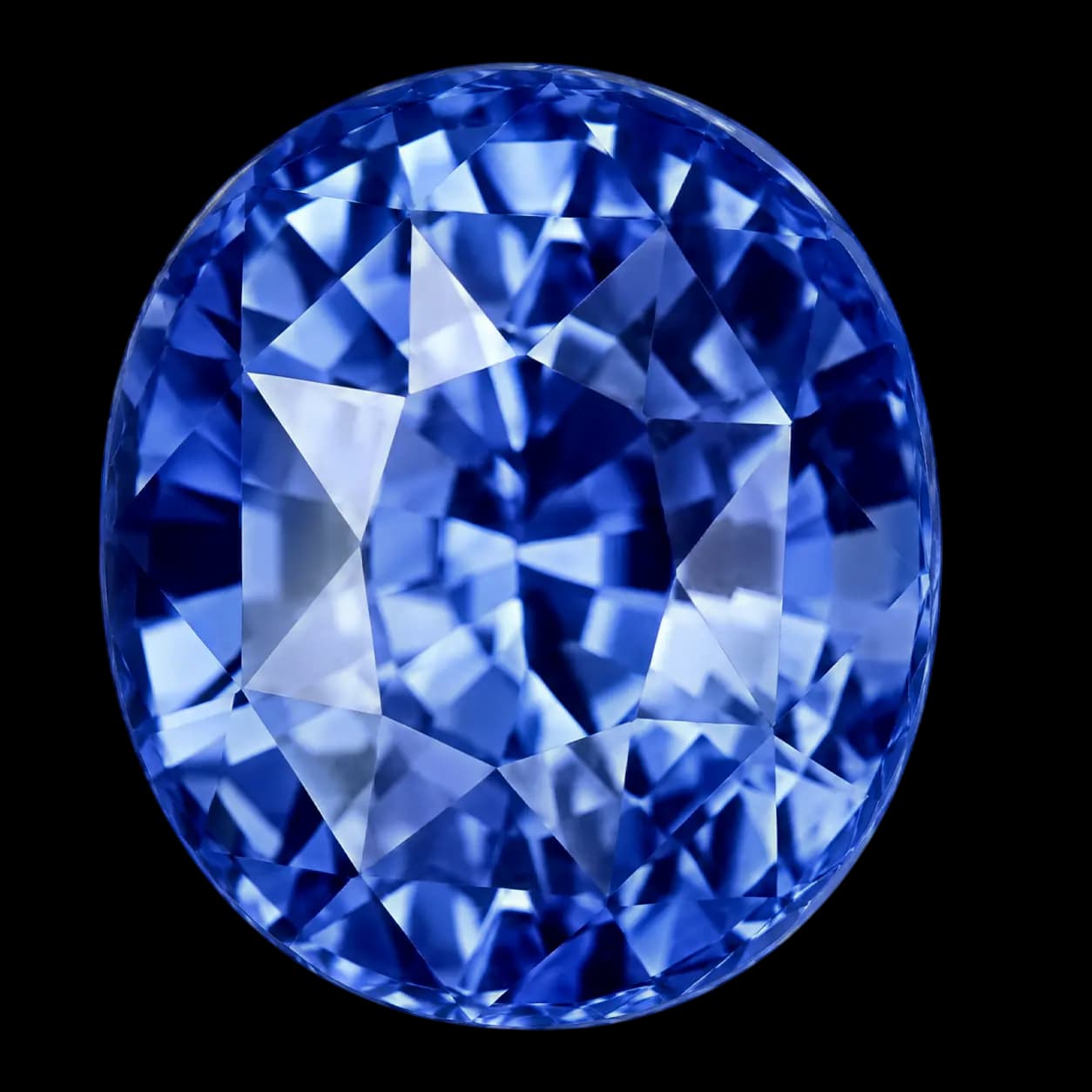
Ceylon Blue Sapphire
Ceylon Blue Sapphire is a world-renowned gemstone from Sri Lanka, admired for its vivid blue color, exceptional durability, and timeless appeal in fine jewelry.
Ceylon Blue Sapphire is the traditional name for natural blue sapphires originating from Sri Lanka, one of the world's most historic sapphire-producing regions. It belongs to the corundum mineral family, which also includes ruby, and is valued for its remarkable hardness, brilliance, and attractive blue shades.
Blue Sapphire is a variety of corundum, an aluminum oxide mineral with trace amounts of iron and titanium that create its characteristic blue coloration. These gemstones form deep within metamorphic rocks over millions of years through geological processes involving heat and pressure.
With a Mohs hardness of 9, Ceylon Blue Sapphire is one of the hardest natural gemstones after diamond, making it highly suitable for rings, earrings, pendants, and everyday jewelry. It displays a vitreous luster, excellent transparency in fine specimens, and strong resistance to scratching.
Ceylon Blue Sapphires are especially admired for their bright blue appearance, ranging from light sky blue to rich royal blue. Fine examples may display a balanced saturation and attractive brilliance, with the famous cornflower blue shade being highly desirable among collectors.
Sri Lanka has produced some of the world's most notable sapphires, including the Logan Sapphire, Star of India, and Blue Belle of Asia. These historic gems demonstrate the exceptional size and quality that can be found in Sri Lankan sapphire deposits.
Sri Lankan sapphires have been traded internationally for centuries and have been featured in royal collections and important jewelry pieces. Their reputation comes from their combination of vibrant color, clarity, and availability in larger sizes.
Today, Ceylon Blue Sapphire jewelry remains popular for engagement rings, luxury rings, earrings, necklaces, and custom-designed pieces. Its durability and classic blue color make it a preferred choice for both contemporary and heirloom jewelry.
Collectors and jewelry buyers appreciate Ceylon Blue Sapphire for its natural origin, historic importance, durability, and unique visual character. High-quality untreated stones with attractive color and strong transparency are particularly sought after.
- Mineral Family
- Corundum
- Chemical Formula
- Al₂O₃
- Mohs Hardness
- 9
- Refractive Index
- 1.760 - 1.770
- Specific Gravity
- 3.99 - 4.00
- Cleavage
- None
- Crystal System
- Trigonal
- Luster
- Vitreous
- Color Range
- Blue
Choosing a natural Ceylon Blue Sapphire requires careful consideration of color, clarity, cut, carat weight, origin, treatments, and certification.
Color: Color is the most important quality factor. Premium Ceylon Blue Sapphires typically display vivid blue hues with balanced saturation and good brightness. Stones that appear overly dark or gray may have lower visual appeal.
Clarity: Natural sapphires commonly contain internal characteristics formed during growth. Fine sapphires combine good transparency with attractive appearance. Completely flawless natural sapphires are extremely rare.
Cut: A skilled cut enhances brilliance, color distribution, and overall beauty. Popular cuts include oval, cushion, round, and emerald shapes, depending on the rough gemstone and desired design.
Carat Weight: Larger Ceylon Blue Sapphires with excellent color and clarity are increasingly rare. As carat weight increases, prices can rise significantly, especially for untreated stones.
Origin: Sri Lankan origin is an important factor for many collectors because Ceylon sapphires are known for their bright blue colors and historical significance. A reputable gemological report can help confirm geographic origin when available.
Treatments: Heat treatment is a commonly accepted enhancement method used to improve sapphire color and clarity. Untreated Ceylon Blue Sapphires with exceptional quality are rarer and often command higher prices.
Natural vs Lab-Grown Sapphire: Natural sapphires formed in the earth are valued for their rarity and geological history. Lab-grown sapphires have the same chemical composition and physical properties but are created artificially and are generally more affordable.
Certification and Authenticity: When buying a Ceylon Blue Sapphire online, choose sellers who provide independent gemological certification describing natural origin, treatments, and gemstone characteristics. Certification helps buyers make informed purchasing decisions.
Price Factors: Ceylon Blue Sapphire prices depend on color quality, clarity, carat size, origin, treatment status, and market demand. Rare untreated stones with exceptional blue color represent the highest value categories.
Ceylon Blue Sapphire is a durable gemstone suitable for regular jewelry wear, but proper care helps maintain its brilliance and protect the setting.
Cleaning: Clean sapphire jewelry using warm water, mild soap, and a soft brush or cloth. Gently remove dirt and rinse thoroughly before drying with a soft, lint-free cloth.
Storage: Store Ceylon Blue Sapphire jewelry separately from other gemstones to prevent scratches. A fabric-lined jewelry box or soft pouch is recommended.
Everyday Wear Advice: Although sapphire is highly durable, avoid strong impacts, especially on stones with inclusions or delicate cuts. Remove jewelry before activities involving harsh chemicals or heavy physical work.
Things to Avoid: Avoid prolonged exposure to strong chemicals, extreme temperature changes, and abrasive cleaning methods. If the sapphire has been treated, professional cleaning advice is recommended.
Regular inspection of jewelry settings helps ensure the gemstone remains secure and maintains its beauty over time.
Ceylon Blue Sapphire is the traditional name for natural blue sapphires originating from Sri Lanka, one of the world's most historic sapphire-producing regions. It belongs to the corundum mineral family, which also includes ruby, and is valued for its remarkable hardness, brilliance, and attractive blue shades.
Blue Sapphire is a variety of corundum, an aluminum oxide mineral with trace amounts of iron and titanium that create its characteristic blue coloration. These gemstones form deep within metamorphic rocks over millions of years through geological processes involving heat and pressure.
With a Mohs hardness of 9, Ceylon Blue Sapphire is one of the hardest natural gemstones after diamond, making it highly suitable for rings, earrings, pendants, and everyday jewelry. It displays a vitreous luster, excellent transparency in fine specimens, and strong resistance to scratching.
Ceylon Blue Sapphires are especially admired for their bright blue appearance, ranging from light sky blue to rich royal blue. Fine examples may display a balanced saturation and attractive brilliance, with the famous cornflower blue shade being highly desirable among collectors.
Sri Lanka has produced some of the world's most notable sapphires, including the Logan Sapphire, Star of India, and Blue Belle of Asia. These historic gems demonstrate the exceptional size and quality that can be found in Sri Lankan sapphire deposits.
Sri Lankan sapphires have been traded internationally for centuries and have been featured in royal collections and important jewelry pieces. Their reputation comes from their combination of vibrant color, clarity, and availability in larger sizes.
Today, Ceylon Blue Sapphire jewelry remains popular for engagement rings, luxury rings, earrings, necklaces, and custom-designed pieces. Its durability and classic blue color make it a preferred choice for both contemporary and heirloom jewelry.
Collectors and jewelry buyers appreciate Ceylon Blue Sapphire for its natural origin, historic importance, durability, and unique visual character. High-quality untreated stones with attractive color and strong transparency are particularly sought after.
- Mineral Family
- Corundum
- Chemical Formula
- Al₂O₃
- Mohs Hardness
- 9
- Refractive Index
- 1.760 - 1.770
- Specific Gravity
- 3.99 - 4.00
- Cleavage
- None
- Crystal System
- Trigonal
- Luster
- Vitreous
- Color Range
- Blue
Choosing a natural Ceylon Blue Sapphire requires careful consideration of color, clarity, cut, carat weight, origin, treatments, and certification.
Color: Color is the most important quality factor. Premium Ceylon Blue Sapphires typically display vivid blue hues with balanced saturation and good brightness. Stones that appear overly dark or gray may have lower visual appeal.
Clarity: Natural sapphires commonly contain internal characteristics formed during growth. Fine sapphires combine good transparency with attractive appearance. Completely flawless natural sapphires are extremely rare.
Cut: A skilled cut enhances brilliance, color distribution, and overall beauty. Popular cuts include oval, cushion, round, and emerald shapes, depending on the rough gemstone and desired design.
Carat Weight: Larger Ceylon Blue Sapphires with excellent color and clarity are increasingly rare. As carat weight increases, prices can rise significantly, especially for untreated stones.
Origin: Sri Lankan origin is an important factor for many collectors because Ceylon sapphires are known for their bright blue colors and historical significance. A reputable gemological report can help confirm geographic origin when available.
Treatments: Heat treatment is a commonly accepted enhancement method used to improve sapphire color and clarity. Untreated Ceylon Blue Sapphires with exceptional quality are rarer and often command higher prices.
Natural vs Lab-Grown Sapphire: Natural sapphires formed in the earth are valued for their rarity and geological history. Lab-grown sapphires have the same chemical composition and physical properties but are created artificially and are generally more affordable.
Certification and Authenticity: When buying a Ceylon Blue Sapphire online, choose sellers who provide independent gemological certification describing natural origin, treatments, and gemstone characteristics. Certification helps buyers make informed purchasing decisions.
Price Factors: Ceylon Blue Sapphire prices depend on color quality, clarity, carat size, origin, treatment status, and market demand. Rare untreated stones with exceptional blue color represent the highest value categories.
Ceylon Blue Sapphire is a durable gemstone suitable for regular jewelry wear, but proper care helps maintain its brilliance and protect the setting.
Cleaning: Clean sapphire jewelry using warm water, mild soap, and a soft brush or cloth. Gently remove dirt and rinse thoroughly before drying with a soft, lint-free cloth.
Storage: Store Ceylon Blue Sapphire jewelry separately from other gemstones to prevent scratches. A fabric-lined jewelry box or soft pouch is recommended.
Everyday Wear Advice: Although sapphire is highly durable, avoid strong impacts, especially on stones with inclusions or delicate cuts. Remove jewelry before activities involving harsh chemicals or heavy physical work.
Things to Avoid: Avoid prolonged exposure to strong chemicals, extreme temperature changes, and abrasive cleaning methods. If the sapphire has been treated, professional cleaning advice is recommended.
Regular inspection of jewelry settings helps ensure the gemstone remains secure and maintains its beauty over time.
Ceylon Blue Sapphire for Sale
No gems found
Try broadening your search or adjusting your filters.
Have a gem of your own? List it free - no fees