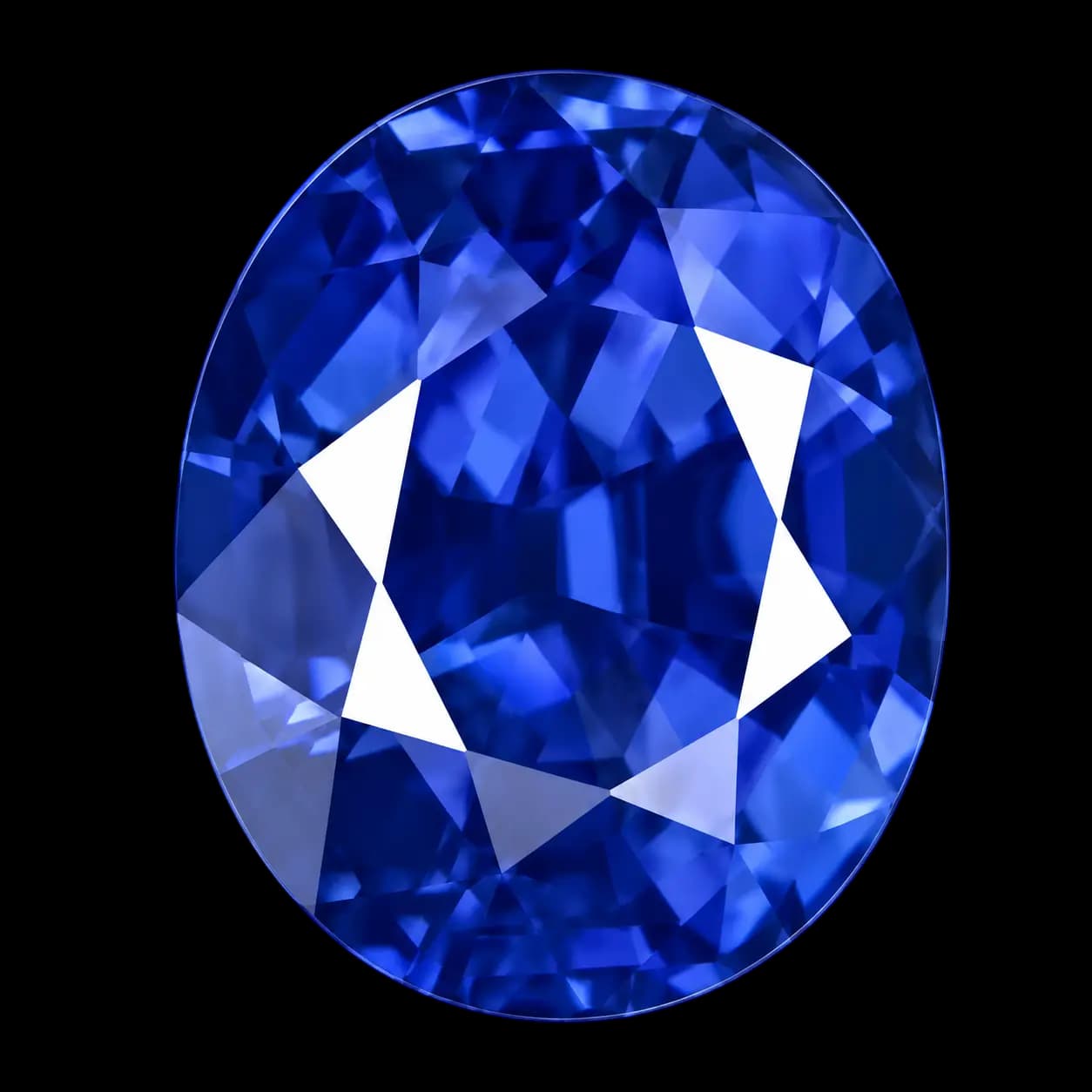
Burmese Sapphire
Burmese Sapphire is a prestigious variety of natural sapphire known for its intense blue color, exceptional brilliance, and rarity. Originating from Myanmar, these gemstones are valued by collectors and fine jewelry enthusiasts worldwide.
Burmese Sapphire is a natural variety of corundum, a mineral composed of aluminium oxide with trace elements that create its distinctive blue coloration. These gemstones are historically associated with Myanmar, formerly known as Burma, which has produced some of the world's most admired sapphires.
Formed deep within metamorphic rock environments, Burmese Sapphires develop under extreme heat and pressure over millions of years. Their crystal structure belongs to the trigonal system, and they display a vitreous luster that enhances their natural brilliance.
The most valued Burmese Sapphires are recognized for their vivid blue hues, excellent transparency, and attractive saturation. Colors may range from medium blue to deep royal blue, with some stones showing subtle violet or cyan tones. Natural inclusions can provide evidence of origin and formation.
Myanmar has been an important gemstone source for centuries, producing sapphires from regions such as Mogok, a famous gemstone area known for exceptional quality gems. Burmese Sapphire remains highly regarded due to its limited availability and unique visual characteristics.
With a Mohs hardness of 9, Burmese Sapphire is one of the most durable gemstones available, making it suitable for rings, earrings, necklaces, and other fine jewelry. Its combination of beauty, rarity, and durability places it among the most respected sapphire varieties in the global gemstone market.
Collectors appreciate Burmese Sapphire for its natural origin, historical importance, and distinctive color quality. It continues to represent a remarkable category within the world of precious gemstones.
- Mineral Family
- Corundum
- Chemical Formula
- Al₂O₃
- Mohs Hardness
- 9
- Refractive Index
- 1.760 - 1.770
- Specific Gravity
- 3.99 - 4.00
- Cleavage
- None
- Crystal System
- Trigonal
- Luster
- Vitreous
- Color Range
- Blue, Cyan, Gray
When buying Burmese Sapphire, quality evaluation should focus on color, clarity, cut, carat weight, origin, and treatment history.
Color is the most important factor affecting value. Stones with vivid, evenly distributed blue tones and strong saturation are generally more desirable. The famous Burmese blue sapphire appearance is often associated with rich color and excellent visual appeal.
Clarity also influences value. Natural sapphires commonly contain internal features formed during growth. Stones with good transparency and attractive appearance are typically more valuable.
A precise cut improves brilliance by allowing light to reflect effectively through the gemstone. Popular cuts include oval, cushion, round, and emerald cuts.
Larger Burmese Sapphires with excellent color and clarity are rare, making carat weight an important factor in pricing. Origin certification may also influence collector interest, especially for stones with documented Myanmar origin.
Some Burmese Sapphires may receive heat treatment to improve color and clarity. Buyers should always request disclosure of treatments and obtain certification from reputable gemological laboratories.
When purchasing Burmese Sapphire online, choose sellers who provide detailed gemstone information, high-quality images, certification, and transparent purchasing policies.
Burmese Sapphire is highly durable and suitable for everyday jewelry use due to its hardness of 9 on the Mohs scale.
Clean Burmese Sapphire with warm water, mild soap, and a soft brush. Avoid harsh chemicals, abrasive cleaners, and sudden temperature changes.
Ultrasonic and steam cleaning are generally safe for untreated Burmese Sapphire. However, extra care should be taken with stones that have fractures, treatments, or delicate settings.
Store Burmese Sapphire jewelry separately from softer gemstones to prevent scratches. Regular professional inspection helps maintain the gemstone and its jewelry setting.
Burmese Sapphire is a natural variety of corundum, a mineral composed of aluminium oxide with trace elements that create its distinctive blue coloration. These gemstones are historically associated with Myanmar, formerly known as Burma, which has produced some of the world's most admired sapphires.
Formed deep within metamorphic rock environments, Burmese Sapphires develop under extreme heat and pressure over millions of years. Their crystal structure belongs to the trigonal system, and they display a vitreous luster that enhances their natural brilliance.
The most valued Burmese Sapphires are recognized for their vivid blue hues, excellent transparency, and attractive saturation. Colors may range from medium blue to deep royal blue, with some stones showing subtle violet or cyan tones. Natural inclusions can provide evidence of origin and formation.
Myanmar has been an important gemstone source for centuries, producing sapphires from regions such as Mogok, a famous gemstone area known for exceptional quality gems. Burmese Sapphire remains highly regarded due to its limited availability and unique visual characteristics.
With a Mohs hardness of 9, Burmese Sapphire is one of the most durable gemstones available, making it suitable for rings, earrings, necklaces, and other fine jewelry. Its combination of beauty, rarity, and durability places it among the most respected sapphire varieties in the global gemstone market.
Collectors appreciate Burmese Sapphire for its natural origin, historical importance, and distinctive color quality. It continues to represent a remarkable category within the world of precious gemstones.
- Mineral Family
- Corundum
- Chemical Formula
- Al₂O₃
- Mohs Hardness
- 9
- Refractive Index
- 1.760 - 1.770
- Specific Gravity
- 3.99 - 4.00
- Cleavage
- None
- Crystal System
- Trigonal
- Luster
- Vitreous
- Color Range
- Blue, Cyan, Gray
When buying Burmese Sapphire, quality evaluation should focus on color, clarity, cut, carat weight, origin, and treatment history.
Color is the most important factor affecting value. Stones with vivid, evenly distributed blue tones and strong saturation are generally more desirable. The famous Burmese blue sapphire appearance is often associated with rich color and excellent visual appeal.
Clarity also influences value. Natural sapphires commonly contain internal features formed during growth. Stones with good transparency and attractive appearance are typically more valuable.
A precise cut improves brilliance by allowing light to reflect effectively through the gemstone. Popular cuts include oval, cushion, round, and emerald cuts.
Larger Burmese Sapphires with excellent color and clarity are rare, making carat weight an important factor in pricing. Origin certification may also influence collector interest, especially for stones with documented Myanmar origin.
Some Burmese Sapphires may receive heat treatment to improve color and clarity. Buyers should always request disclosure of treatments and obtain certification from reputable gemological laboratories.
When purchasing Burmese Sapphire online, choose sellers who provide detailed gemstone information, high-quality images, certification, and transparent purchasing policies.
Burmese Sapphire is highly durable and suitable for everyday jewelry use due to its hardness of 9 on the Mohs scale.
Clean Burmese Sapphire with warm water, mild soap, and a soft brush. Avoid harsh chemicals, abrasive cleaners, and sudden temperature changes.
Ultrasonic and steam cleaning are generally safe for untreated Burmese Sapphire. However, extra care should be taken with stones that have fractures, treatments, or delicate settings.
Store Burmese Sapphire jewelry separately from softer gemstones to prevent scratches. Regular professional inspection helps maintain the gemstone and its jewelry setting.
Burmese Sapphire for Sale
No gems found
Try broadening your search or adjusting your filters.
Have a gem of your own? List it free - no fees