Zultanite
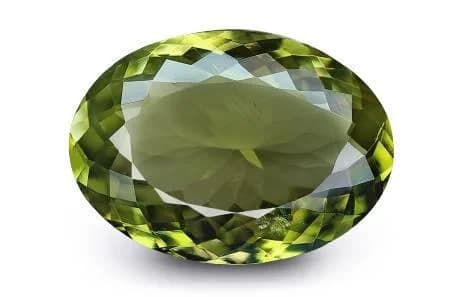
Zultanite is a rare color-changing diaspore gemstone from Turkey, prized for its shifting green, yellow, pink, and brown hues under different lighting.
Zultanite is the trade name commonly used for gem-quality color-change diaspore, a rare aluminum oxyhydroxide mineral prized for its distinctive optical character. Its chemical formula is AlO(OH), and it belongs to the orthorhombic crystal system. Zultanite is best known for changing appearance under different light sources, with colors that may move between greenish-yellow, yellow, champagne, brown, pink, and related warm tones. The effect is caused by the way trace elements interact with the gemstone's crystal structure and absorb visible light.
Gem-quality Zultanite is associated with deposits in the Anatolian region of Turkey, and Turkish color-change diaspore became particularly well known in the modern gemstone trade. Its rarity, natural color change, transparency, and limited availability have made it attractive to collectors and jewelry designers. The name Zultanite is a commercial trade name rather than the mineralogical name; gemologists identify the material as diaspore.
With a Mohs hardness of approximately 6.5 to 7, Zultanite has reasonable scratch resistance for jewelry, although its perfect cleavage and brittle character mean it should be handled more carefully than tougher gemstones. Its refractive index is approximately 1.69 to 1.75 and its specific gravity is around 3.38 to 3.39. The luster is typically vitreous to pearly. Fine material can be transparent and relatively clean, while natural inclusions can provide useful evidence of origin and authenticity.
The most desirable Zultanite usually displays an attractive body color together with a noticeable, balanced color change. In daylight or daylight-equivalent illumination, stones may show green, yellow-green, or champagne tones, while incandescent lighting can bring out warmer yellow, pinkish, brown, or reddish-brown appearances. The exact colors vary with the stone, lighting conditions, viewing direction, and cut.
Today, Zultanite jewelry includes rings, earrings, pendants, necklaces, and other statement pieces. Because its color change is central to its appeal, precision cutting and orientation are important for maximizing the optical effect. Zultanite is especially appealing to buyers who want a distinctive natural gemstone with a visual character that changes throughout the day. Collectors value fine examples for their rarity, strong color change, transparency, and provenance.
- Mineral Family
- Diaspore
- Chemical Formula
- AlO(OH)
- Mohs Hardness
- 6.5 - 7
- Refractive Index
- 1.69 - 1.75
- Specific Gravity
- 3.38 - 3.39
- Cleavage
- Perfect
- Crystal System
- Orthorhombic
- Luster
- Vitreous
- Color Range
- Green, Yellow, Orange, Pink
When buying Zultanite online, evaluate the gemstone as a combination of color, color change, clarity, cut, carat weight, origin, and authenticity rather than relying on size alone.
Color and color change: Examine the stone under both daylight or daylight-equivalent illumination and warm incandescent lighting. Look for an attractive body color and a clear, pleasing change between lighting environments. A strong and well-balanced color change can increase desirability, but personal preference also matters.
Clarity: Transparent, eye-clean Zultanite can be particularly attractive. Natural inclusions are possible and should not automatically be treated as defects. However, fractures that reach the surface deserve careful attention because diaspore has perfect cleavage and can be vulnerable to impact.
Cut: A well-executed cut should maximize brilliance, transparency, face-up color, and the visible color-change effect. Poor proportions or an unsuitable orientation can reduce the gemstone's visual appeal even when the rough material is high quality.
Carat: Larger fine-quality Zultanite can be considerably rarer than smaller stones. Compare carat weight together with color quality, clarity, cut, and strength of color change rather than using weight as the only measure of value.
Origin: Turkish origin is strongly associated with Zultanite in the trade. If origin is important to your purchase, request documentation that supports the stated provenance rather than relying only on a seller's description.
Treatments and natural status: Zultanite is valued as a natural color-change diaspore. Ask whether any treatment has been applied and request full disclosure. Do not assume that every stone marketed under a trade name has identical quality or origin.
Natural versus lab-grown: Zultanite offered in the fine-gem market is generally natural diaspore. Lab-created or imitation materials may be marketed to resemble color-changing gems, so buyers should distinguish natural diaspore from simulants and clearly disclosed laboratory materials.
Certification and authenticity: For valuable purchases, an independent gemological report can confirm the gemstone's identity and document important characteristics. A reliable seller should provide clear photographs, accurate measurements, carat weight, treatment disclosure, return terms, and transparent information about provenance. Be cautious of unusually low prices, exaggerated claims, or listings that do not clearly identify the material.
Price factors: Zultanite value depends on color, strength and quality of color change, clarity, cut, carat weight, rarity, origin, and overall visual appeal. There is no single fixed price per carat that applies to every stone, so compare genuinely comparable gems before buying Zultanite online.
Zultanite jewelry should be cared for gently because diaspore has a hardness of about 6.5 to 7 and perfect cleavage. Although it can be suitable for occasional jewelry wear, it is more vulnerable to sharp impacts than tougher gems.
Cleaning: Use lukewarm water, mild soap, and a soft lint-free cloth or very soft brush. Rinse carefully and dry with a clean cloth. Avoid abrasive cleaners and aggressive scrubbing.
Storage: Keep Zultanite in a soft jewelry pouch or a fabric-lined compartment away from harder gemstones such as diamond, sapphire, and ruby. Individual storage helps prevent scratches and accidental impacts.
Everyday wear: Rings receive the greatest exposure to knocks and should be removed for activities involving tools, sports, heavy lifting, or other impact risks. Pendants and earrings generally face less mechanical stress.
Avoid: Avoid sudden impacts, harsh chemicals, abrasive materials, and unnecessary exposure to high heat. Remove Zultanite jewelry before swimming, cleaning with household chemicals, gardening, or performing strenuous activities. If the setting becomes loose or the stone develops a visible chip or fracture, have the jewelry inspected by a qualified jeweler.
Zultanite is the trade name commonly used for gem-quality color-change diaspore, a rare aluminum oxyhydroxide mineral prized for its distinctive optical character. Its chemical formula is AlO(OH), and it belongs to the orthorhombic crystal system. Zultanite is best known for changing appearance under different light sources, with colors that may move between greenish-yellow, yellow, champagne, brown, pink, and related warm tones. The effect is caused by the way trace elements interact with the gemstone's crystal structure and absorb visible light.
Gem-quality Zultanite is associated with deposits in the Anatolian region of Turkey, and Turkish color-change diaspore became particularly well known in the modern gemstone trade. Its rarity, natural color change, transparency, and limited availability have made it attractive to collectors and jewelry designers. The name Zultanite is a commercial trade name rather than the mineralogical name; gemologists identify the material as diaspore.
With a Mohs hardness of approximately 6.5 to 7, Zultanite has reasonable scratch resistance for jewelry, although its perfect cleavage and brittle character mean it should be handled more carefully than tougher gemstones. Its refractive index is approximately 1.69 to 1.75 and its specific gravity is around 3.38 to 3.39. The luster is typically vitreous to pearly. Fine material can be transparent and relatively clean, while natural inclusions can provide useful evidence of origin and authenticity.
The most desirable Zultanite usually displays an attractive body color together with a noticeable, balanced color change. In daylight or daylight-equivalent illumination, stones may show green, yellow-green, or champagne tones, while incandescent lighting can bring out warmer yellow, pinkish, brown, or reddish-brown appearances. The exact colors vary with the stone, lighting conditions, viewing direction, and cut.
Today, Zultanite jewelry includes rings, earrings, pendants, necklaces, and other statement pieces. Because its color change is central to its appeal, precision cutting and orientation are important for maximizing the optical effect. Zultanite is especially appealing to buyers who want a distinctive natural gemstone with a visual character that changes throughout the day. Collectors value fine examples for their rarity, strong color change, transparency, and provenance.
- Mineral Family
- Diaspore
- Chemical Formula
- AlO(OH)
- Mohs Hardness
- 6.5 - 7
- Refractive Index
- 1.69 - 1.75
- Specific Gravity
- 3.38 - 3.39
- Cleavage
- Perfect
- Crystal System
- Orthorhombic
- Luster
- Vitreous
- Color Range
- Green, Yellow, Orange, Pink
When buying Zultanite online, evaluate the gemstone as a combination of color, color change, clarity, cut, carat weight, origin, and authenticity rather than relying on size alone.
Color and color change: Examine the stone under both daylight or daylight-equivalent illumination and warm incandescent lighting. Look for an attractive body color and a clear, pleasing change between lighting environments. A strong and well-balanced color change can increase desirability, but personal preference also matters.
Clarity: Transparent, eye-clean Zultanite can be particularly attractive. Natural inclusions are possible and should not automatically be treated as defects. However, fractures that reach the surface deserve careful attention because diaspore has perfect cleavage and can be vulnerable to impact.
Cut: A well-executed cut should maximize brilliance, transparency, face-up color, and the visible color-change effect. Poor proportions or an unsuitable orientation can reduce the gemstone's visual appeal even when the rough material is high quality.
Carat: Larger fine-quality Zultanite can be considerably rarer than smaller stones. Compare carat weight together with color quality, clarity, cut, and strength of color change rather than using weight as the only measure of value.
Origin: Turkish origin is strongly associated with Zultanite in the trade. If origin is important to your purchase, request documentation that supports the stated provenance rather than relying only on a seller's description.
Treatments and natural status: Zultanite is valued as a natural color-change diaspore. Ask whether any treatment has been applied and request full disclosure. Do not assume that every stone marketed under a trade name has identical quality or origin.
Natural versus lab-grown: Zultanite offered in the fine-gem market is generally natural diaspore. Lab-created or imitation materials may be marketed to resemble color-changing gems, so buyers should distinguish natural diaspore from simulants and clearly disclosed laboratory materials.
Certification and authenticity: For valuable purchases, an independent gemological report can confirm the gemstone's identity and document important characteristics. A reliable seller should provide clear photographs, accurate measurements, carat weight, treatment disclosure, return terms, and transparent information about provenance. Be cautious of unusually low prices, exaggerated claims, or listings that do not clearly identify the material.
Price factors: Zultanite value depends on color, strength and quality of color change, clarity, cut, carat weight, rarity, origin, and overall visual appeal. There is no single fixed price per carat that applies to every stone, so compare genuinely comparable gems before buying Zultanite online.
Zultanite jewelry should be cared for gently because diaspore has a hardness of about 6.5 to 7 and perfect cleavage. Although it can be suitable for occasional jewelry wear, it is more vulnerable to sharp impacts than tougher gems.
Cleaning: Use lukewarm water, mild soap, and a soft lint-free cloth or very soft brush. Rinse carefully and dry with a clean cloth. Avoid abrasive cleaners and aggressive scrubbing.
Storage: Keep Zultanite in a soft jewelry pouch or a fabric-lined compartment away from harder gemstones such as diamond, sapphire, and ruby. Individual storage helps prevent scratches and accidental impacts.
Everyday wear: Rings receive the greatest exposure to knocks and should be removed for activities involving tools, sports, heavy lifting, or other impact risks. Pendants and earrings generally face less mechanical stress.
Avoid: Avoid sudden impacts, harsh chemicals, abrasive materials, and unnecessary exposure to high heat. Remove Zultanite jewelry before swimming, cleaning with household chemicals, gardening, or performing strenuous activities. If the setting becomes loose or the stone develops a visible chip or fracture, have the jewelry inspected by a qualified jeweler.
Zultanite for Sale
No gems found
Try broadening your search or adjusting your filters.
Have a gem of your own? List it free - no fees