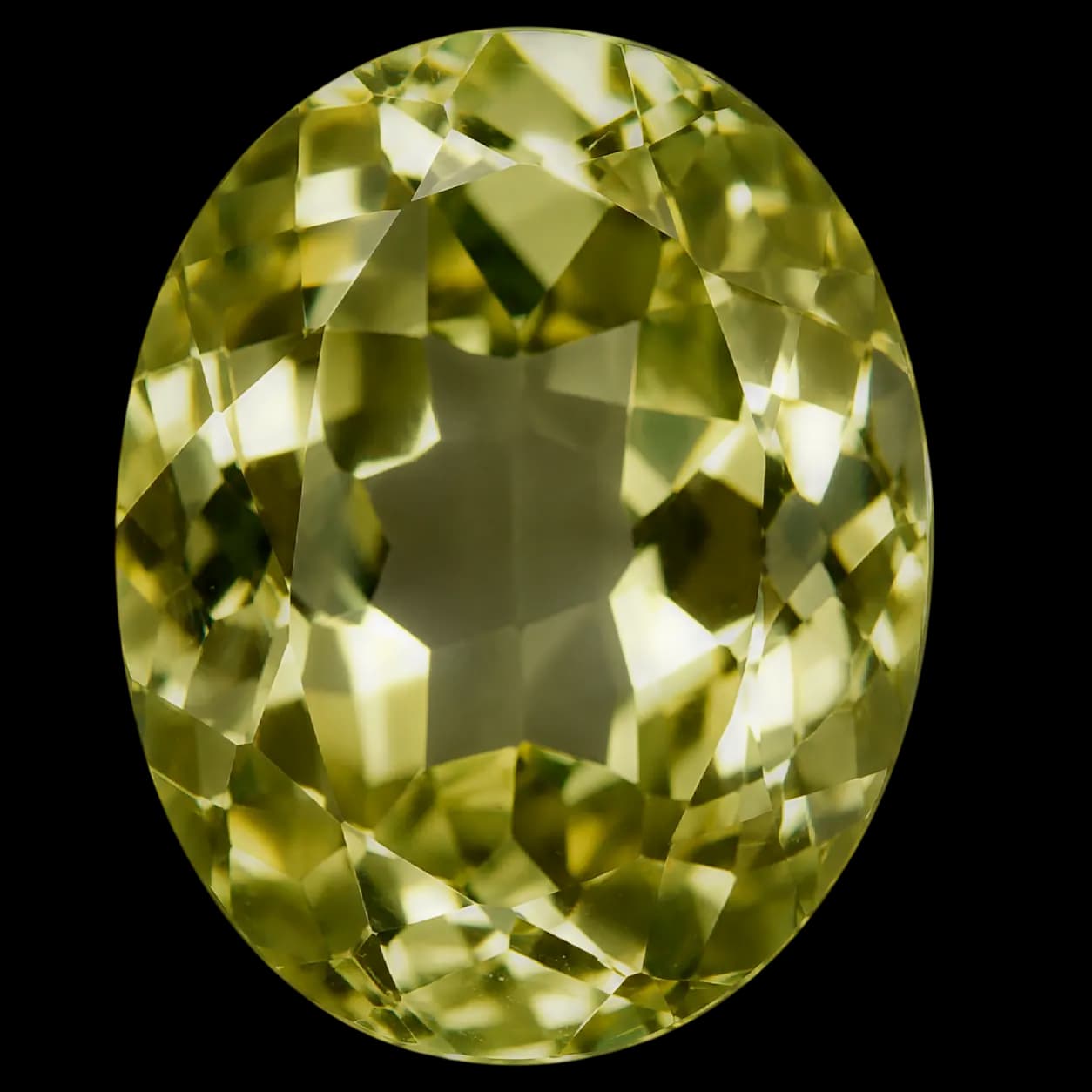
Sillimanite
Sillimanite is a rare and elegant gemstone admired for its silky appearance, attractive colors, and durability. Its unique character makes it a fascinating choice for collectors and distinctive jewelry designs.
Sillimanite is a rare aluminum silicate gemstone belonging to the Al2SiO5 mineral group, which also includes kyanite and andalusite. It forms deep within the Earth under high temperatures and pressures during metamorphic processes, commonly occurring in rocks such as schist and gneiss.
With the chemical formula Al2SiO5, Sillimanite displays a vitreous luster and a hardness of 6.5 to 7.5 on the Mohs scale, making it suitable for carefully designed jewelry pieces. It is recognized for its fibrous varieties, sometimes showing a silky or cat's-eye-like appearance due to internal inclusions.
Sillimanite occurs in several colors including white, gray, yellow, brown, green, and blue. Transparent gem-quality specimens are uncommon, increasing their appeal among collectors and gemstone enthusiasts.
Historically, Sillimanite has been studied as an important metamorphic mineral and is named after American chemist and geologist Benjamin Silliman. Fine-quality specimens have been found in regions including Sri Lanka, India, Myanmar, Madagascar, and the United States.
Modern Sillimanite jewelry remains relatively rare compared with more familiar gemstones, making it appealing for buyers seeking an unusual and distinctive natural gemstone. Its combination of rarity, natural beauty, and geological significance gives it special value among collectors.
- Mineral Family
- Sillimanite
- Chemical Formula
- Al2SiO5
- Mohs Hardness
- 6.5 - 7.5
- Refractive Index
- 1.653 - 1.684
- Specific Gravity
- 3.23 - 3.27
- Cleavage
- Distinct cleavage in two directions
- Crystal System
- Orthorhombic
- Luster
- Vitreous
- Color Range
- White, Yellow, Green, Blue, Gray, Black
When buying Sillimanite gemstone, buyers should evaluate several important quality factors.
Color: Attractive and evenly distributed colors such as blue, green, yellow, and clean white varieties are generally more desirable. Strong saturation and good transparency can increase value.
Clarity: Transparent Sillimanite is uncommon. Some specimens naturally contain inclusions that create interesting optical effects, while cleaner stones are preferred for faceted jewelry.
Cut: Skilled cutting is important to maximize brilliance and highlight the gemstone's natural character. Cabochon cuts are often used for stones with silky effects, while transparent material may be faceted.
Carat: Larger Sillimanite specimens with good color and clarity are increasingly rare, so size can significantly influence price.
Origin: Geographic origin may influence collector interest, especially for specimens from recognized gem-producing regions.
Treatments: Natural Sillimanite is generally valued in its untreated form. Buyers should ask sellers about any enhancements before purchase.
Natural vs lab-grown: Natural Sillimanite is the primary material available in the market. Buyers should verify authenticity when purchasing rare gemstone varieties.
Certification: A gemstone certificate from a reputable gemological laboratory can confirm identity, natural origin, and any treatments.
Price factors: Value depends on color quality, transparency, size, cut quality, rarity, origin, and certification.
Sillimanite jewelry should be cleaned gently using warm water, mild soap, and a soft brush or cloth. Avoid harsh chemicals, ultrasonic cleaners, and sudden temperature changes, as inclusions or cleavage can affect durability.
Store Sillimanite separately from harder gemstones to prevent scratches. Keep pieces in a soft pouch or lined jewelry box when not being worn.
Although Sillimanite has good hardness, avoid strong impacts and use extra care with rings or bracelets exposed to frequent knocks. Regular inspection of jewelry settings helps maintain long-term security.
Sillimanite is a rare aluminum silicate gemstone belonging to the Al2SiO5 mineral group, which also includes kyanite and andalusite. It forms deep within the Earth under high temperatures and pressures during metamorphic processes, commonly occurring in rocks such as schist and gneiss.
With the chemical formula Al2SiO5, Sillimanite displays a vitreous luster and a hardness of 6.5 to 7.5 on the Mohs scale, making it suitable for carefully designed jewelry pieces. It is recognized for its fibrous varieties, sometimes showing a silky or cat's-eye-like appearance due to internal inclusions.
Sillimanite occurs in several colors including white, gray, yellow, brown, green, and blue. Transparent gem-quality specimens are uncommon, increasing their appeal among collectors and gemstone enthusiasts.
Historically, Sillimanite has been studied as an important metamorphic mineral and is named after American chemist and geologist Benjamin Silliman. Fine-quality specimens have been found in regions including Sri Lanka, India, Myanmar, Madagascar, and the United States.
Modern Sillimanite jewelry remains relatively rare compared with more familiar gemstones, making it appealing for buyers seeking an unusual and distinctive natural gemstone. Its combination of rarity, natural beauty, and geological significance gives it special value among collectors.
- Mineral Family
- Sillimanite
- Chemical Formula
- Al2SiO5
- Mohs Hardness
- 6.5 - 7.5
- Refractive Index
- 1.653 - 1.684
- Specific Gravity
- 3.23 - 3.27
- Cleavage
- Distinct cleavage in two directions
- Crystal System
- Orthorhombic
- Luster
- Vitreous
- Color Range
- White, Yellow, Green, Blue, Gray, Black
When buying Sillimanite gemstone, buyers should evaluate several important quality factors.
Color: Attractive and evenly distributed colors such as blue, green, yellow, and clean white varieties are generally more desirable. Strong saturation and good transparency can increase value.
Clarity: Transparent Sillimanite is uncommon. Some specimens naturally contain inclusions that create interesting optical effects, while cleaner stones are preferred for faceted jewelry.
Cut: Skilled cutting is important to maximize brilliance and highlight the gemstone's natural character. Cabochon cuts are often used for stones with silky effects, while transparent material may be faceted.
Carat: Larger Sillimanite specimens with good color and clarity are increasingly rare, so size can significantly influence price.
Origin: Geographic origin may influence collector interest, especially for specimens from recognized gem-producing regions.
Treatments: Natural Sillimanite is generally valued in its untreated form. Buyers should ask sellers about any enhancements before purchase.
Natural vs lab-grown: Natural Sillimanite is the primary material available in the market. Buyers should verify authenticity when purchasing rare gemstone varieties.
Certification: A gemstone certificate from a reputable gemological laboratory can confirm identity, natural origin, and any treatments.
Price factors: Value depends on color quality, transparency, size, cut quality, rarity, origin, and certification.
Sillimanite jewelry should be cleaned gently using warm water, mild soap, and a soft brush or cloth. Avoid harsh chemicals, ultrasonic cleaners, and sudden temperature changes, as inclusions or cleavage can affect durability.
Store Sillimanite separately from harder gemstones to prevent scratches. Keep pieces in a soft pouch or lined jewelry box when not being worn.
Although Sillimanite has good hardness, avoid strong impacts and use extra care with rings or bracelets exposed to frequent knocks. Regular inspection of jewelry settings helps maintain long-term security.
Sillimanite for Sale
No gems found
Try broadening your search or adjusting your filters.
Have a gem of your own? List it free - no fees