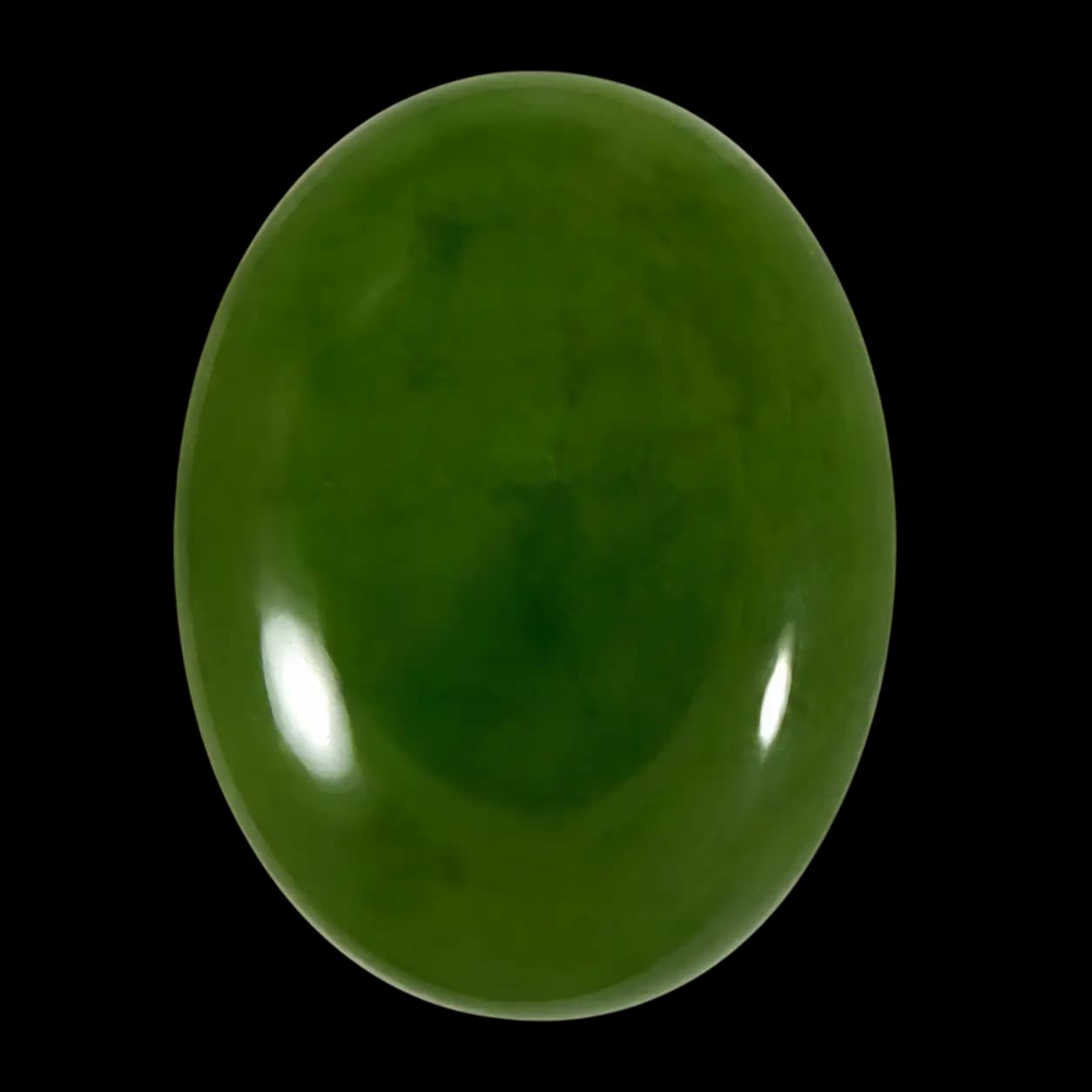
Serpentine
Serpentine is a distinctive natural gemstone known for its rich green shades, waxy luster, and unique patterns. Valued for carvings and jewelry, it offers a beautiful connection to Earth's geological history.
Serpentine is a gemstone and ornamental material belonging to the serpentine mineral group, a family of magnesium silicate hydroxide minerals. Unlike many gemstones that occur as individual minerals, Serpentine represents a group of closely related minerals including antigorite, lizardite, and chrysotile.
Serpentine forms through metamorphic processes when ultramafic rocks, which are rich in magnesium and iron, react with water under specific geological conditions. Its chemical composition is generally represented by Mg3Si2O5(OH)4, although variations occur depending on the mineral variety.
Natural Serpentine is commonly found in shades of green, ranging from pale yellow-green to deep forest green. Some specimens display brown, black, white, or yellow tones, along with attractive veining, mottled patterns, or chatoyant effects. The stone is often compared with jade because of its similar appearance, but Serpentine has different physical properties including lower hardness and density.
Important varieties include antigorite, lizardite, and chrysotile. Some fine ornamental Serpentine materials, such as bowenite, are especially valued for carving and decorative objects. Significant deposits have been found in locations including the United States, Canada, the United Kingdom, Italy, Russia, China, Korea, and New Zealand.
Throughout history, Serpentine has been used for sculptures, decorative items, and architectural materials. Today, natural Serpentine is used in cabochon jewelry, beads, pendants, bracelets, and collector specimens. Buyers appreciate Serpentine gemstone for its natural patterns, earthy colors, affordability, and distinctive appearance.
- Mineral Family
- Serpentine
- Chemical Formula
- Mg3Si2O5(OH)4
- Mohs Hardness
- 2.5 - 5.5
- Refractive Index
- 1.54 - 1.56
- Specific Gravity
- 2.44 - 2.62
- Cleavage
- Perfect to good in some varieties
- Crystal System
- Monoclinic
- Luster
- Greasy
- Color Range
- Green, Yellow, Black, White
When buying Serpentine gemstone, several factors influence quality and value.
Color: The most desirable Serpentine specimens usually display attractive, even green shades with appealing natural patterns. Rich green tones and distinctive markings can increase collector interest.
Clarity: Serpentine is generally opaque or translucent. Natural inclusions, veins, and patterns are common and often contribute to its character rather than reducing its appeal.
Cut: Due to its moderate hardness and opaque appearance, Serpentine is commonly shaped into cabochons, beads, carvings, and decorative forms. Smooth polishing enhances its waxy luster.
Carat: Larger Serpentine pieces are widely available because the material is often used for carvings and ornamental objects. Value depends more on quality, pattern, and craftsmanship than size alone.
Origin: Geographic origin may influence collector interest, especially for rare varieties and distinctive patterns. Reliable sellers should provide accurate origin information when available.
Treatments: Some Serpentine materials may be stabilized or enhanced for durability and appearance. Buyers should always ask whether a gemstone has undergone any treatment.
Natural vs lab-grown: Natural Serpentine is valued for its geological formation and unique patterns. Synthetic Serpentine is uncommon in the gemstone market.
Certification: A reputable gemological report can help confirm identity, treatments, and characteristics. Always purchase from trusted gemstone sellers when buying Serpentine online.
Serpentine gemstone requires careful handling because its hardness can vary and some varieties are relatively soft.
Clean Serpentine jewelry using a soft cloth and lukewarm water. Avoid ultrasonic cleaners, steam cleaning, harsh chemicals, and abrasive materials that may damage the surface.
Store Serpentine separately from harder gemstones such as diamonds, sapphires, and rubies to prevent scratches. Keep pieces in a soft pouch or lined jewelry box.
For everyday wear, Serpentine jewelry is best suited for earrings, pendants, and occasional-wear pieces. Rings and bracelets should be worn carefully to reduce exposure to impacts and scratches.
Serpentine is a gemstone and ornamental material belonging to the serpentine mineral group, a family of magnesium silicate hydroxide minerals. Unlike many gemstones that occur as individual minerals, Serpentine represents a group of closely related minerals including antigorite, lizardite, and chrysotile.
Serpentine forms through metamorphic processes when ultramafic rocks, which are rich in magnesium and iron, react with water under specific geological conditions. Its chemical composition is generally represented by Mg3Si2O5(OH)4, although variations occur depending on the mineral variety.
Natural Serpentine is commonly found in shades of green, ranging from pale yellow-green to deep forest green. Some specimens display brown, black, white, or yellow tones, along with attractive veining, mottled patterns, or chatoyant effects. The stone is often compared with jade because of its similar appearance, but Serpentine has different physical properties including lower hardness and density.
Important varieties include antigorite, lizardite, and chrysotile. Some fine ornamental Serpentine materials, such as bowenite, are especially valued for carving and decorative objects. Significant deposits have been found in locations including the United States, Canada, the United Kingdom, Italy, Russia, China, Korea, and New Zealand.
Throughout history, Serpentine has been used for sculptures, decorative items, and architectural materials. Today, natural Serpentine is used in cabochon jewelry, beads, pendants, bracelets, and collector specimens. Buyers appreciate Serpentine gemstone for its natural patterns, earthy colors, affordability, and distinctive appearance.
- Mineral Family
- Serpentine
- Chemical Formula
- Mg3Si2O5(OH)4
- Mohs Hardness
- 2.5 - 5.5
- Refractive Index
- 1.54 - 1.56
- Specific Gravity
- 2.44 - 2.62
- Cleavage
- Perfect to good in some varieties
- Crystal System
- Monoclinic
- Luster
- Greasy
- Color Range
- Green, Yellow, Black, White
When buying Serpentine gemstone, several factors influence quality and value.
Color: The most desirable Serpentine specimens usually display attractive, even green shades with appealing natural patterns. Rich green tones and distinctive markings can increase collector interest.
Clarity: Serpentine is generally opaque or translucent. Natural inclusions, veins, and patterns are common and often contribute to its character rather than reducing its appeal.
Cut: Due to its moderate hardness and opaque appearance, Serpentine is commonly shaped into cabochons, beads, carvings, and decorative forms. Smooth polishing enhances its waxy luster.
Carat: Larger Serpentine pieces are widely available because the material is often used for carvings and ornamental objects. Value depends more on quality, pattern, and craftsmanship than size alone.
Origin: Geographic origin may influence collector interest, especially for rare varieties and distinctive patterns. Reliable sellers should provide accurate origin information when available.
Treatments: Some Serpentine materials may be stabilized or enhanced for durability and appearance. Buyers should always ask whether a gemstone has undergone any treatment.
Natural vs lab-grown: Natural Serpentine is valued for its geological formation and unique patterns. Synthetic Serpentine is uncommon in the gemstone market.
Certification: A reputable gemological report can help confirm identity, treatments, and characteristics. Always purchase from trusted gemstone sellers when buying Serpentine online.
Serpentine gemstone requires careful handling because its hardness can vary and some varieties are relatively soft.
Clean Serpentine jewelry using a soft cloth and lukewarm water. Avoid ultrasonic cleaners, steam cleaning, harsh chemicals, and abrasive materials that may damage the surface.
Store Serpentine separately from harder gemstones such as diamonds, sapphires, and rubies to prevent scratches. Keep pieces in a soft pouch or lined jewelry box.
For everyday wear, Serpentine jewelry is best suited for earrings, pendants, and occasional-wear pieces. Rings and bracelets should be worn carefully to reduce exposure to impacts and scratches.
Serpentine for Sale
No gems found
Try broadening your search or adjusting your filters.
Have a gem of your own? List it free - no fees