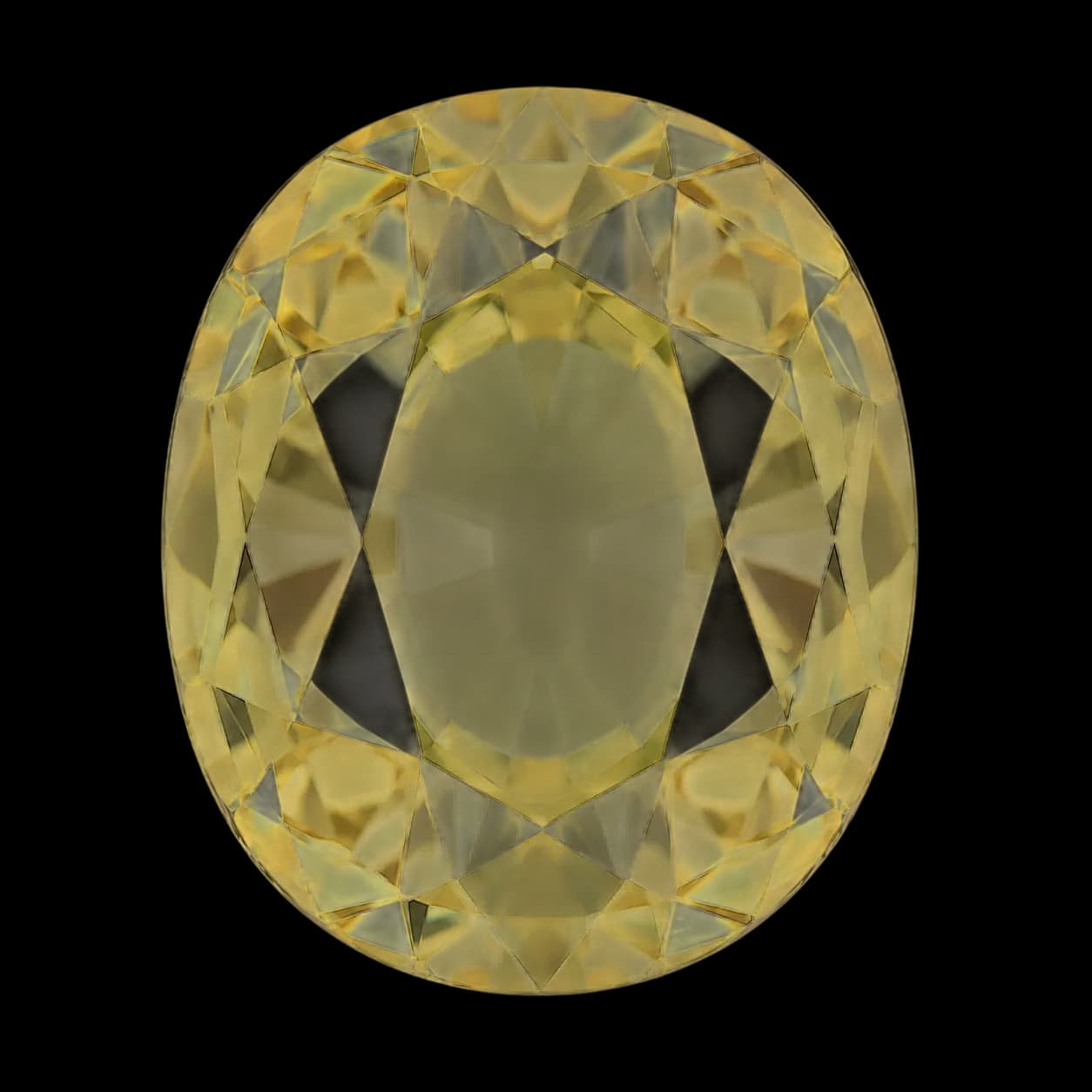
Scapolite
Scapolite is a rare gemstone admired for its warm yellow, violet, pink, and lavender hues, glassy brilliance, and distinctive character. Its rarity and elegant appearance make natural Scapolite a unique choice for collectors and fine jewelry designs.
Scapolite is a rare gemstone from the scapolite mineral group, a series of minerals that includes marialite and meionite. It is valued by collectors and jewelry enthusiasts for its unusual colors, transparent crystals, and limited availability compared with more common gemstones.
Scapolite forms mainly in metamorphic rocks, where heat and pressure transform existing minerals deep within the Earth. It can also occur in certain igneous environments. Its chemical composition varies across the scapolite series, with sodium-rich marialite and calcium-rich meionite representing the main end members.
The gemstone is known for its tetragonal crystal system, vitreous luster, and colors ranging from golden yellow and honey tones to violet, pink, lavender, white, and gray. Some rare Scapolite specimens may display chatoyancy, creating a cat's-eye effect caused by aligned internal inclusions.
Important physical properties of Scapolite include a Mohs hardness of 5 to 6, making it suitable for carefully worn jewelry pieces but less resistant to scratches than harder gemstones. It has distinct cleavage, so protective settings are recommended for rings and frequently worn pieces.
Notable sources of Scapolite include Madagascar, Tanzania, Myanmar, Canada, Brazil, Sri Lanka, and other locations worldwide. Fine examples with strong color, transparency, and attractive cutting are especially appreciated by collectors.
Throughout history, Scapolite has remained a collector gemstone rather than a traditional jewelry stone due to its rarity and relatively soft nature. Today, modern designers use Scapolite in rings, pendants, earrings, and custom jewelry pieces where individuality and uncommon beauty are desired.
Buyers value natural Scapolite because each gemstone offers a distinctive combination of color, clarity, and rarity. For those seeking an unusual gemstone beyond commonly available choices, Scapolite provides a refined and exclusive option.
- Mineral Family
- Scapolite
- Chemical Formula
- Na4Al3Si9O24Cl to Ca4Al6Si6O24CO3
- Mohs Hardness
- 5 - 6
- Refractive Index
- 1.540 - 1.590
- Specific Gravity
- 2.60 - 2.74
- Cleavage
- Distinct cleavage in two directions
- Crystal System
- Tetragonal
- Luster
- Vitreous
- Color Range
- Yellow, Purple, Pink, Orange, White, Gray
When you buy Scapolite online, evaluating quality carefully helps you choose a gemstone with lasting visual appeal.
Color: Color is one of the most important factors affecting Scapolite value. Popular varieties include golden yellow, honey yellow, violet, pink, and lavender. Stones with strong saturation, even distribution, and attractive tones are generally more desirable.
Clarity: Transparent Scapolite with fewer visible inclusions is considered higher quality. Some natural inclusions are expected because of the gemstone's formation and may help confirm its authenticity. Rare cat's-eye Scapolite is valued for its visible optical effect.
Cut: A skilled cut improves brilliance, symmetry, and color display. Scapolite crystals are often shaped into oval, cushion, round, or custom cuts depending on the rough material available.
Carat: Larger Scapolite gemstones with good color and clarity are uncommon. Size influences price, but quality characteristics such as transparency and color often have a stronger impact.
Origin: Scapolite occurs in several countries, including Madagascar, Tanzania, Myanmar, Canada, Brazil, and Sri Lanka. Origin may add collector interest, but gemstone quality remains the primary value factor.
Treatments: Natural Scapolite is generally sold without significant enhancement. Buyers should ask about any treatments and choose sellers who provide transparent gemstone information.
Natural vs Lab-Grown: Natural Scapolite is valued because of its geological rarity. Lab-grown alternatives are not commonly encountered in the market compared with many other gemstones.
Certification: A reputable gemological certificate can confirm gemstone identity, natural origin information where applicable, and important characteristics. Certification is especially recommended for valuable or collector-grade stones.
Authenticity: Purchase Scapolite from trusted gemstone sellers who provide detailed descriptions, photographs, and laboratory documentation when appropriate. Compare color, clarity, and pricing before making a decision.
Scapolite requires gentle care because of its moderate hardness and distinct cleavage.
Cleaning: Clean Scapolite jewelry using lukewarm water, mild soap, and a soft cloth or soft brush. Avoid harsh chemicals and abrasive cleaners that may affect the gemstone surface.
Storage: Store Scapolite separately in a soft pouch or lined jewelry box to prevent scratches from harder gemstones such as sapphire, ruby, or diamond.
Everyday Wear: Scapolite is best suited for earrings, pendants, and occasional-wear rings. Remove Scapolite jewelry before activities that may involve impacts, pressure, or rough handling.
Avoid ultrasonic and steam cleaners unless recommended by a professional jeweler, as internal features and cleavage may make some stones vulnerable to cleaning stress.
With proper care, natural Scapolite jewelry can maintain its clarity, polish, and distinctive beauty for many years.
Scapolite is a rare gemstone from the scapolite mineral group, a series of minerals that includes marialite and meionite. It is valued by collectors and jewelry enthusiasts for its unusual colors, transparent crystals, and limited availability compared with more common gemstones.
Scapolite forms mainly in metamorphic rocks, where heat and pressure transform existing minerals deep within the Earth. It can also occur in certain igneous environments. Its chemical composition varies across the scapolite series, with sodium-rich marialite and calcium-rich meionite representing the main end members.
The gemstone is known for its tetragonal crystal system, vitreous luster, and colors ranging from golden yellow and honey tones to violet, pink, lavender, white, and gray. Some rare Scapolite specimens may display chatoyancy, creating a cat's-eye effect caused by aligned internal inclusions.
Important physical properties of Scapolite include a Mohs hardness of 5 to 6, making it suitable for carefully worn jewelry pieces but less resistant to scratches than harder gemstones. It has distinct cleavage, so protective settings are recommended for rings and frequently worn pieces.
Notable sources of Scapolite include Madagascar, Tanzania, Myanmar, Canada, Brazil, Sri Lanka, and other locations worldwide. Fine examples with strong color, transparency, and attractive cutting are especially appreciated by collectors.
Throughout history, Scapolite has remained a collector gemstone rather than a traditional jewelry stone due to its rarity and relatively soft nature. Today, modern designers use Scapolite in rings, pendants, earrings, and custom jewelry pieces where individuality and uncommon beauty are desired.
Buyers value natural Scapolite because each gemstone offers a distinctive combination of color, clarity, and rarity. For those seeking an unusual gemstone beyond commonly available choices, Scapolite provides a refined and exclusive option.
- Mineral Family
- Scapolite
- Chemical Formula
- Na4Al3Si9O24Cl to Ca4Al6Si6O24CO3
- Mohs Hardness
- 5 - 6
- Refractive Index
- 1.540 - 1.590
- Specific Gravity
- 2.60 - 2.74
- Cleavage
- Distinct cleavage in two directions
- Crystal System
- Tetragonal
- Luster
- Vitreous
- Color Range
- Yellow, Purple, Pink, Orange, White, Gray
When you buy Scapolite online, evaluating quality carefully helps you choose a gemstone with lasting visual appeal.
Color: Color is one of the most important factors affecting Scapolite value. Popular varieties include golden yellow, honey yellow, violet, pink, and lavender. Stones with strong saturation, even distribution, and attractive tones are generally more desirable.
Clarity: Transparent Scapolite with fewer visible inclusions is considered higher quality. Some natural inclusions are expected because of the gemstone's formation and may help confirm its authenticity. Rare cat's-eye Scapolite is valued for its visible optical effect.
Cut: A skilled cut improves brilliance, symmetry, and color display. Scapolite crystals are often shaped into oval, cushion, round, or custom cuts depending on the rough material available.
Carat: Larger Scapolite gemstones with good color and clarity are uncommon. Size influences price, but quality characteristics such as transparency and color often have a stronger impact.
Origin: Scapolite occurs in several countries, including Madagascar, Tanzania, Myanmar, Canada, Brazil, and Sri Lanka. Origin may add collector interest, but gemstone quality remains the primary value factor.
Treatments: Natural Scapolite is generally sold without significant enhancement. Buyers should ask about any treatments and choose sellers who provide transparent gemstone information.
Natural vs Lab-Grown: Natural Scapolite is valued because of its geological rarity. Lab-grown alternatives are not commonly encountered in the market compared with many other gemstones.
Certification: A reputable gemological certificate can confirm gemstone identity, natural origin information where applicable, and important characteristics. Certification is especially recommended for valuable or collector-grade stones.
Authenticity: Purchase Scapolite from trusted gemstone sellers who provide detailed descriptions, photographs, and laboratory documentation when appropriate. Compare color, clarity, and pricing before making a decision.
Scapolite requires gentle care because of its moderate hardness and distinct cleavage.
Cleaning: Clean Scapolite jewelry using lukewarm water, mild soap, and a soft cloth or soft brush. Avoid harsh chemicals and abrasive cleaners that may affect the gemstone surface.
Storage: Store Scapolite separately in a soft pouch or lined jewelry box to prevent scratches from harder gemstones such as sapphire, ruby, or diamond.
Everyday Wear: Scapolite is best suited for earrings, pendants, and occasional-wear rings. Remove Scapolite jewelry before activities that may involve impacts, pressure, or rough handling.
Avoid ultrasonic and steam cleaners unless recommended by a professional jeweler, as internal features and cleavage may make some stones vulnerable to cleaning stress.
With proper care, natural Scapolite jewelry can maintain its clarity, polish, and distinctive beauty for many years.
Scapolite for Sale
No gems found
Try broadening your search or adjusting your filters.
Have a gem of your own? List it free - no fees