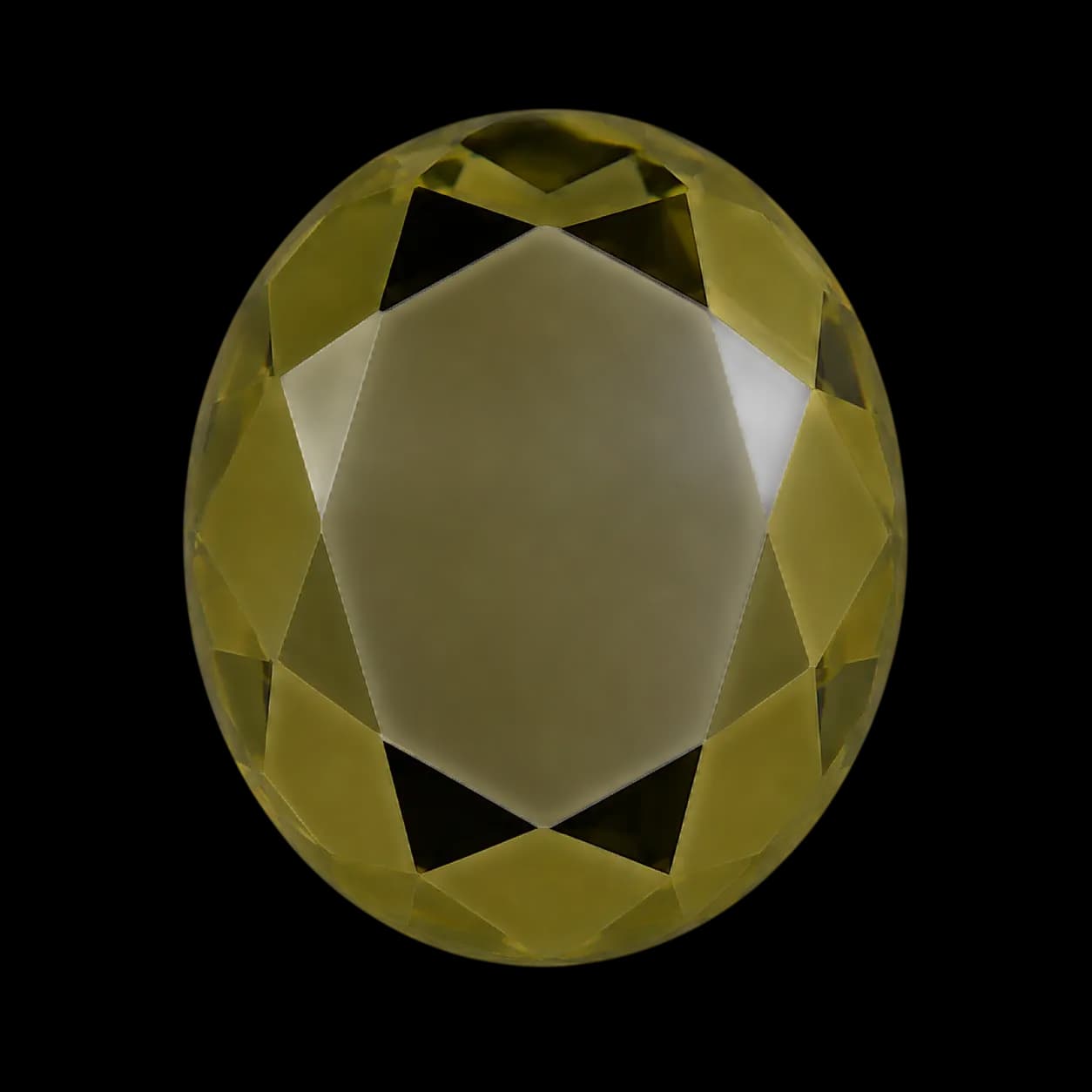
Pyrite
Natural Pyrite is admired for its brilliant metallic golden luster, geometric crystal formations, and collectible appeal. Popular in jewelry and mineral collections, it combines striking beauty with impressive durability.
Pyrite, commonly known as 'Fool's Gold,' is one of the world's most recognizable metallic minerals. Despite its resemblance to gold, Pyrite is an iron sulfide mineral with the chemical formula FeS2 and is valued for its brilliant metallic luster, cubic crystal habit, and affordability rather than precious metal content.
Pyrite belongs to the sulfide mineral family and forms in a wide variety of geological environments, including hydrothermal veins, sedimentary rocks, metamorphic deposits, and volcanic systems. Over millions of years, iron and sulfur combine under suitable pressure and temperature conditions to create its distinctive cubic and pyritohedral crystals.
Natural Pyrite typically displays a rich brass-yellow to pale gold color with a highly reflective metallic surface. It has a Mohs hardness of 6 to 6.5, making it harder than many decorative minerals, although it can chip if struck due to its brittle nature. Its high density and metallic shine make it easy to distinguish from many imitations.
Major commercial sources include Peru, Spain, Italy, the United States, China, Canada, and Russia. Peruvian Pyrite is especially prized for its mirror-like crystal faces, while Spanish deposits produce exceptional museum-quality cubes.
Throughout history, Pyrite has been used as a fire-starting material because striking it against steel produces sparks. Ancient civilizations also polished Pyrite into reflective objects resembling mirrors.
Today, natural Pyrite is widely used in rings, pendants, earrings, bracelets, cufflinks, decorative carvings, and premium mineral collections. Buyers appreciate Pyrite for its distinctive metallic appearance, fascinating crystal geometry, accessibility, and its resemblance to gold without the associated cost.
- Mineral Family
- Pyrite
- Chemical Formula
- FeS2
- Mohs Hardness
- 6 - 6.5
- Refractive Index
- 3.08 - 4.5
- Specific Gravity
- 4.9 - 5.2
- Cleavage
- Indistinct
- Crystal System
- Cubic
- Luster
- Metallic
- Color Range
- Yellow
When buying a natural Pyrite gemstone, prioritize crystal quality, metallic luster, and overall condition rather than size alone.
Color: Premium Pyrite displays an even brass-yellow to golden metallic color with a bright reflective surface. Avoid heavily oxidized or dull specimens if appearance is important.
Clarity: Since Pyrite is opaque, clarity refers to surface quality. Look for clean crystal faces with minimal fractures, chips, or excessive tarnish.
Cut: Pyrite is available as natural crystal cubes, polished cabochons, beads, carvings, and faceted decorative stones. Choose the style that best suits your intended jewelry or collection.
Carat and Size: Larger crystals with sharp natural geometry generally command higher prices, particularly if they remain undamaged.
Origin: Peru and Spain produce some of the finest collector-quality Pyrite, although beautiful material is also mined in several other countries.
Treatments: Most Pyrite sold today is untreated. Some specimens may receive a protective coating or polishing to enhance appearance and reduce surface oxidation. Reputable sellers should disclose any treatments.
Natural vs. Lab-Grown: Genuine laboratory-grown Pyrite gemstones are extremely uncommon in the jewelry market. Nearly all commercial Pyrite is naturally mined.
Certification: For valuable specimens or fine jewelry, request a certificate from a recognized gemological laboratory confirming identity and any disclosed treatments.
Price Factors: Crystal perfection, metallic luster, origin, specimen size, craftsmanship, rarity of crystal formations, and jewelry design have the greatest influence on value.
Pyrite is relatively durable but requires proper care because prolonged exposure to moisture can promote surface oxidation.
Clean Pyrite using a soft, dry or slightly damp microfiber cloth. If necessary, use mild soap with minimal water, then dry the gemstone immediately and thoroughly. Avoid soaking Pyrite or exposing it to harsh household cleaners, bleach, acids, ultrasonic cleaners, or steam cleaning.
Store Pyrite separately in a soft jewelry pouch or lined jewelry box to reduce scratching of softer gemstones and protect its polished metallic surface.
Remove Pyrite jewelry before swimming, bathing, exercising, or performing household cleaning. Keep it away from humid storage conditions for long-term preservation.
With proper care, natural Pyrite jewelry can maintain its brilliant metallic appearance for many years.
Pyrite, commonly known as 'Fool's Gold,' is one of the world's most recognizable metallic minerals. Despite its resemblance to gold, Pyrite is an iron sulfide mineral with the chemical formula FeS2 and is valued for its brilliant metallic luster, cubic crystal habit, and affordability rather than precious metal content.
Pyrite belongs to the sulfide mineral family and forms in a wide variety of geological environments, including hydrothermal veins, sedimentary rocks, metamorphic deposits, and volcanic systems. Over millions of years, iron and sulfur combine under suitable pressure and temperature conditions to create its distinctive cubic and pyritohedral crystals.
Natural Pyrite typically displays a rich brass-yellow to pale gold color with a highly reflective metallic surface. It has a Mohs hardness of 6 to 6.5, making it harder than many decorative minerals, although it can chip if struck due to its brittle nature. Its high density and metallic shine make it easy to distinguish from many imitations.
Major commercial sources include Peru, Spain, Italy, the United States, China, Canada, and Russia. Peruvian Pyrite is especially prized for its mirror-like crystal faces, while Spanish deposits produce exceptional museum-quality cubes.
Throughout history, Pyrite has been used as a fire-starting material because striking it against steel produces sparks. Ancient civilizations also polished Pyrite into reflective objects resembling mirrors.
Today, natural Pyrite is widely used in rings, pendants, earrings, bracelets, cufflinks, decorative carvings, and premium mineral collections. Buyers appreciate Pyrite for its distinctive metallic appearance, fascinating crystal geometry, accessibility, and its resemblance to gold without the associated cost.
- Mineral Family
- Pyrite
- Chemical Formula
- FeS2
- Mohs Hardness
- 6 - 6.5
- Refractive Index
- 3.08 - 4.5
- Specific Gravity
- 4.9 - 5.2
- Cleavage
- Indistinct
- Crystal System
- Cubic
- Luster
- Metallic
- Color Range
- Yellow
When buying a natural Pyrite gemstone, prioritize crystal quality, metallic luster, and overall condition rather than size alone.
Color: Premium Pyrite displays an even brass-yellow to golden metallic color with a bright reflective surface. Avoid heavily oxidized or dull specimens if appearance is important.
Clarity: Since Pyrite is opaque, clarity refers to surface quality. Look for clean crystal faces with minimal fractures, chips, or excessive tarnish.
Cut: Pyrite is available as natural crystal cubes, polished cabochons, beads, carvings, and faceted decorative stones. Choose the style that best suits your intended jewelry or collection.
Carat and Size: Larger crystals with sharp natural geometry generally command higher prices, particularly if they remain undamaged.
Origin: Peru and Spain produce some of the finest collector-quality Pyrite, although beautiful material is also mined in several other countries.
Treatments: Most Pyrite sold today is untreated. Some specimens may receive a protective coating or polishing to enhance appearance and reduce surface oxidation. Reputable sellers should disclose any treatments.
Natural vs. Lab-Grown: Genuine laboratory-grown Pyrite gemstones are extremely uncommon in the jewelry market. Nearly all commercial Pyrite is naturally mined.
Certification: For valuable specimens or fine jewelry, request a certificate from a recognized gemological laboratory confirming identity and any disclosed treatments.
Price Factors: Crystal perfection, metallic luster, origin, specimen size, craftsmanship, rarity of crystal formations, and jewelry design have the greatest influence on value.
Pyrite is relatively durable but requires proper care because prolonged exposure to moisture can promote surface oxidation.
Clean Pyrite using a soft, dry or slightly damp microfiber cloth. If necessary, use mild soap with minimal water, then dry the gemstone immediately and thoroughly. Avoid soaking Pyrite or exposing it to harsh household cleaners, bleach, acids, ultrasonic cleaners, or steam cleaning.
Store Pyrite separately in a soft jewelry pouch or lined jewelry box to reduce scratching of softer gemstones and protect its polished metallic surface.
Remove Pyrite jewelry before swimming, bathing, exercising, or performing household cleaning. Keep it away from humid storage conditions for long-term preservation.
With proper care, natural Pyrite jewelry can maintain its brilliant metallic appearance for many years.
Pyrite for Sale
No gems found
Try broadening your search or adjusting your filters.
Have a gem of your own? List it free - no fees