Pearl
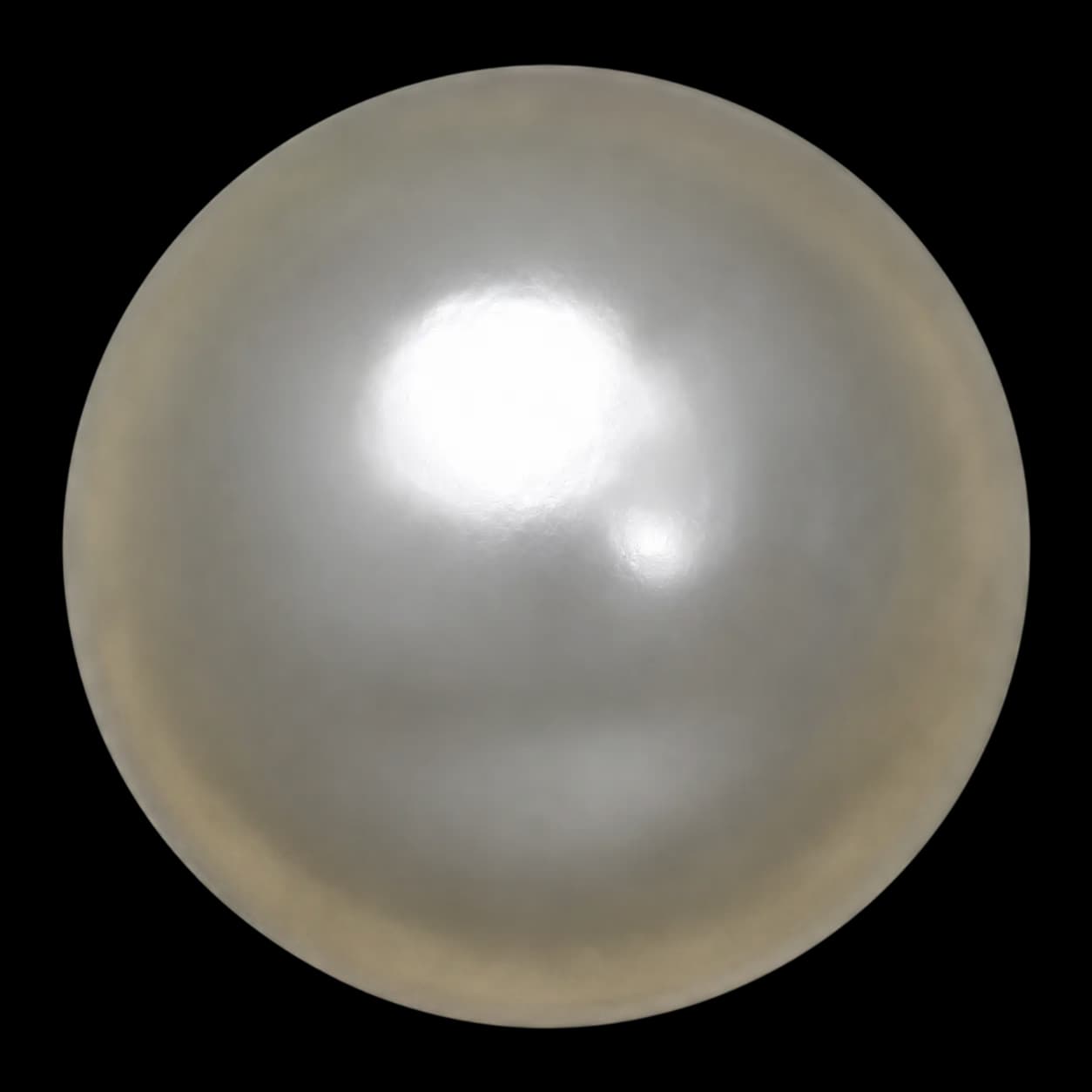
Pearl is a timeless organic gemstone admired for its soft luster, elegant colors, and natural beauty. From classic pearl necklaces to modern jewelry designs, it remains a symbol of refined sophistication.
Pearl is a unique organic gemstone formed inside mollusks such as oysters and freshwater mussels. Unlike minerals that grow through geological processes beneath the Earth, pearls develop through layers of nacre deposited around an irritant or implanted nucleus within the mollusk.
Pearls belong to the organic gemstone family and are primarily composed of calcium carbonate in the form of aragonite, combined with conchiolin, a natural organic substance that binds the layers of nacre together. Their distinctive beauty comes from the interaction of light with thousands of microscopic nacre layers, creating their characteristic pearly luster.
Pearls have a Mohs hardness of approximately 2.5 to 4.5, making them softer than most traditional gemstones. They have a pearly luster, no cleavage, and a specific gravity ranging from 2.60 to 2.85. Due to their organic composition, pearls require careful handling and maintenance compared with harder gemstones.
Natural and cultured pearls occur in a wide range of colors including white, cream, pink, golden, silver, gray, and black. Popular pearl varieties include Akoya pearls known for their classic white appearance, South Sea pearls valued for their impressive size and golden or white tones, Tahitian pearls recognized for their exotic dark colors, and freshwater pearls appreciated for their variety and accessibility.
Pearls have been treasured for thousands of years across civilizations. Famous examples include La Peregrina, one of the world's most celebrated pearls, and the Hope Pearl, known for its exceptional size and unique coloration. Historical pearl jewelry has been associated with royalty, collectors, and luxury fashion houses worldwide.
Pearls remain one of the most popular gemstones for jewelry, appearing in necklaces, earrings, rings, bracelets, and contemporary designer pieces. Their elegant appearance makes them suitable for both formal occasions and everyday luxury styling.
Buyers value Pearl gemstones for their natural origin, graceful appearance, rarity of certain varieties, and ability to add timeless elegance to any jewelry collection.
- Mineral Family
- Pearl
- Chemical Formula
- CaCO3
- Mohs Hardness
- 2.5 - 4.5
- Refractive Index
- 1.52 - 1.69
- Specific Gravity
- 2.60 - 2.85
- Cleavage
- None
- Crystal System
- Orthorhombic
- Luster
- Pearly
- Color Range
- White, Pink, Yellow, Gray, Black
When choosing a Pearl gemstone, several quality factors influence appearance, rarity, and price.
Color: Pearl color preference depends on personal style and variety. White and cream pearls are classic choices, while golden South Sea pearls and dark Tahitian pearls are valued for their distinctive appearance. Natural overtones such as pink, silver, or green can enhance a pearl's visual appeal.
Luster: Luster is one of the most important quality factors for pearls. High-quality pearls display a bright, reflective surface with deep inner glow. Pearls with dull or chalky surfaces generally have lower value.
Surface Quality: Because pearls form naturally, minor surface characteristics are common. Pearls with fewer blemishes, cleaner surfaces, and attractive nacre quality are generally more valuable.
Shape: Round pearls are traditionally the most sought after because they are rarer to produce. Other shapes, including oval, drop, button, and baroque pearls, are popular for artistic and contemporary jewelry designs.
Size and Carat: Larger pearls are generally rarer and can command higher prices, especially among premium varieties such as South Sea pearls. Size should be considered together with luster, surface quality, and pearl type.
Origin and Type: The origin and type of pearl significantly affect value. South Sea, Tahitian, Akoya, and freshwater pearls each have unique characteristics. Natural pearls are extremely rare, while cultured pearls are the primary source of modern pearl jewelry.
Treatments: Some pearls may undergo treatments such as bleaching, dyeing, or coating to enhance appearance. Buyers should ask for treatment disclosure before purchasing.
Natural vs Cultured Pearl: Natural pearls form without human intervention and are exceptionally rare. Cultured pearls are created through controlled farming processes and represent the majority of pearls available in the jewelry market.
Certification and Authenticity: A reputable gemological certificate can help confirm pearl type, treatment information, and authenticity. When buying Pearl online, choose sellers who provide transparent descriptions, certification options, and clear return policies.
Price Factors: Pearl prices depend on type, size, luster, surface quality, shape, color, origin, and rarity. Premium South Sea and Tahitian pearls typically command higher prices due to their size and distinctive characteristics.
Pearls require gentle care because their nacre surface is softer than most gemstones.
Cleaning Pearl: Clean Pearl jewelry using a soft, damp cloth after wearing it to remove oils and dust. Avoid ultrasonic cleaners, steam cleaners, and harsh chemicals, as they may damage the nacre surface.
Storage: Store pearls separately in a soft pouch or lined jewelry box to prevent scratches. Avoid storing them with harder gemstones or metal jewelry that may damage their surface.
Everyday Wear Advice: Pearls are suitable for elegant everyday jewelry when handled carefully. Put on pearl jewelry after applying perfumes, cosmetics, or sprays to reduce chemical exposure.
Things to Avoid: Avoid prolonged contact with acids, detergents, excessive heat, direct sunlight, and chlorinated water. Regular gentle care helps preserve the pearl's natural luster for generations.
Pearl is a unique organic gemstone formed inside mollusks such as oysters and freshwater mussels. Unlike minerals that grow through geological processes beneath the Earth, pearls develop through layers of nacre deposited around an irritant or implanted nucleus within the mollusk.
Pearls belong to the organic gemstone family and are primarily composed of calcium carbonate in the form of aragonite, combined with conchiolin, a natural organic substance that binds the layers of nacre together. Their distinctive beauty comes from the interaction of light with thousands of microscopic nacre layers, creating their characteristic pearly luster.
Pearls have a Mohs hardness of approximately 2.5 to 4.5, making them softer than most traditional gemstones. They have a pearly luster, no cleavage, and a specific gravity ranging from 2.60 to 2.85. Due to their organic composition, pearls require careful handling and maintenance compared with harder gemstones.
Natural and cultured pearls occur in a wide range of colors including white, cream, pink, golden, silver, gray, and black. Popular pearl varieties include Akoya pearls known for their classic white appearance, South Sea pearls valued for their impressive size and golden or white tones, Tahitian pearls recognized for their exotic dark colors, and freshwater pearls appreciated for their variety and accessibility.
Pearls have been treasured for thousands of years across civilizations. Famous examples include La Peregrina, one of the world's most celebrated pearls, and the Hope Pearl, known for its exceptional size and unique coloration. Historical pearl jewelry has been associated with royalty, collectors, and luxury fashion houses worldwide.
Pearls remain one of the most popular gemstones for jewelry, appearing in necklaces, earrings, rings, bracelets, and contemporary designer pieces. Their elegant appearance makes them suitable for both formal occasions and everyday luxury styling.
Buyers value Pearl gemstones for their natural origin, graceful appearance, rarity of certain varieties, and ability to add timeless elegance to any jewelry collection.
- Mineral Family
- Pearl
- Chemical Formula
- CaCO3
- Mohs Hardness
- 2.5 - 4.5
- Refractive Index
- 1.52 - 1.69
- Specific Gravity
- 2.60 - 2.85
- Cleavage
- None
- Crystal System
- Orthorhombic
- Luster
- Pearly
- Color Range
- White, Pink, Yellow, Gray, Black
When choosing a Pearl gemstone, several quality factors influence appearance, rarity, and price.
Color: Pearl color preference depends on personal style and variety. White and cream pearls are classic choices, while golden South Sea pearls and dark Tahitian pearls are valued for their distinctive appearance. Natural overtones such as pink, silver, or green can enhance a pearl's visual appeal.
Luster: Luster is one of the most important quality factors for pearls. High-quality pearls display a bright, reflective surface with deep inner glow. Pearls with dull or chalky surfaces generally have lower value.
Surface Quality: Because pearls form naturally, minor surface characteristics are common. Pearls with fewer blemishes, cleaner surfaces, and attractive nacre quality are generally more valuable.
Shape: Round pearls are traditionally the most sought after because they are rarer to produce. Other shapes, including oval, drop, button, and baroque pearls, are popular for artistic and contemporary jewelry designs.
Size and Carat: Larger pearls are generally rarer and can command higher prices, especially among premium varieties such as South Sea pearls. Size should be considered together with luster, surface quality, and pearl type.
Origin and Type: The origin and type of pearl significantly affect value. South Sea, Tahitian, Akoya, and freshwater pearls each have unique characteristics. Natural pearls are extremely rare, while cultured pearls are the primary source of modern pearl jewelry.
Treatments: Some pearls may undergo treatments such as bleaching, dyeing, or coating to enhance appearance. Buyers should ask for treatment disclosure before purchasing.
Natural vs Cultured Pearl: Natural pearls form without human intervention and are exceptionally rare. Cultured pearls are created through controlled farming processes and represent the majority of pearls available in the jewelry market.
Certification and Authenticity: A reputable gemological certificate can help confirm pearl type, treatment information, and authenticity. When buying Pearl online, choose sellers who provide transparent descriptions, certification options, and clear return policies.
Price Factors: Pearl prices depend on type, size, luster, surface quality, shape, color, origin, and rarity. Premium South Sea and Tahitian pearls typically command higher prices due to their size and distinctive characteristics.
Pearls require gentle care because their nacre surface is softer than most gemstones.
Cleaning Pearl: Clean Pearl jewelry using a soft, damp cloth after wearing it to remove oils and dust. Avoid ultrasonic cleaners, steam cleaners, and harsh chemicals, as they may damage the nacre surface.
Storage: Store pearls separately in a soft pouch or lined jewelry box to prevent scratches. Avoid storing them with harder gemstones or metal jewelry that may damage their surface.
Everyday Wear Advice: Pearls are suitable for elegant everyday jewelry when handled carefully. Put on pearl jewelry after applying perfumes, cosmetics, or sprays to reduce chemical exposure.
Things to Avoid: Avoid prolonged contact with acids, detergents, excessive heat, direct sunlight, and chlorinated water. Regular gentle care helps preserve the pearl's natural luster for generations.
Pearl for Sale
No gems found
Try broadening your search or adjusting your filters.
Have a gem of your own? List it free - no fees