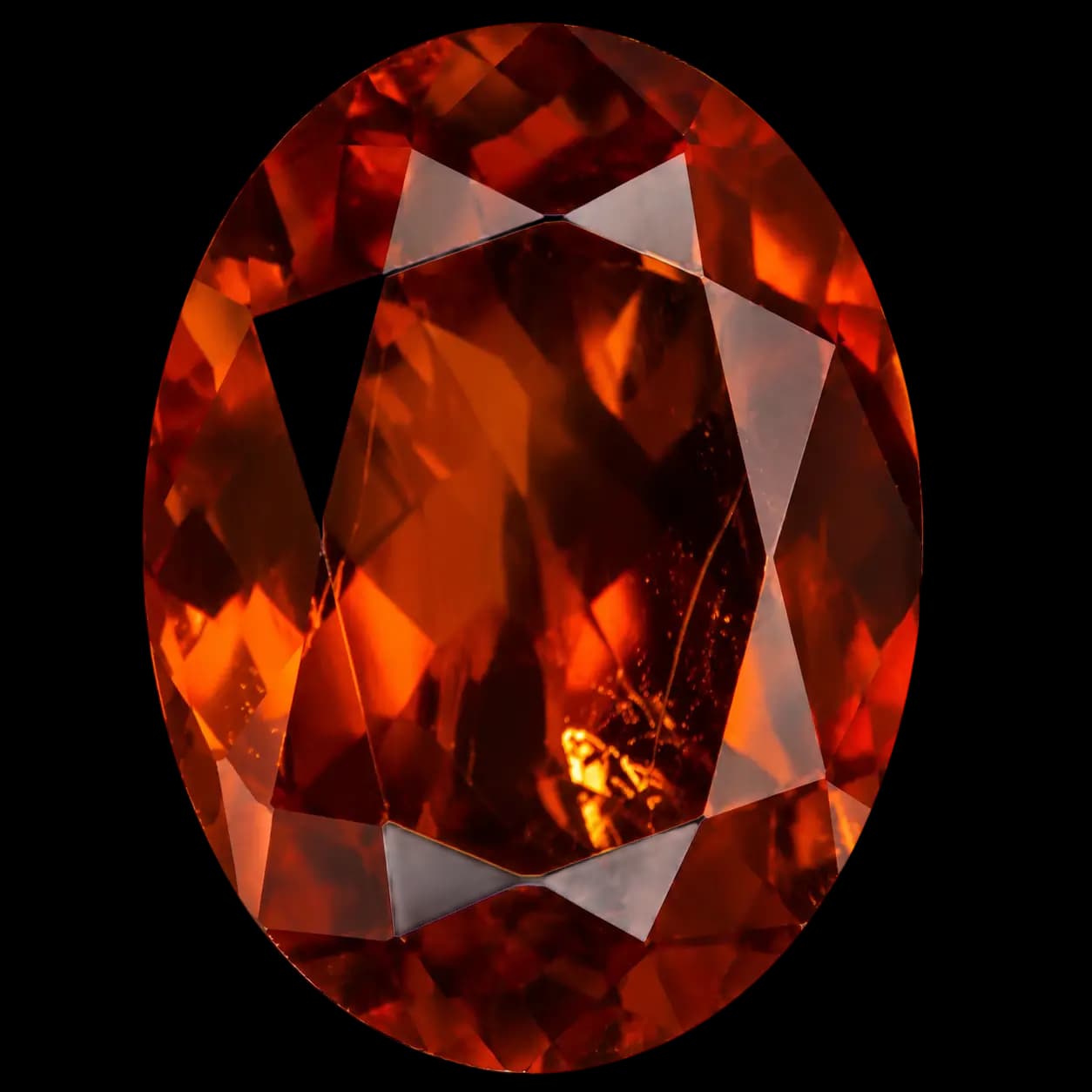
Monazite
Monazite is a rare phosphate mineral admired for its warm earthy colors, scientific importance, and collector appeal. Its unique composition makes it a fascinating natural specimen.
Monazite is a rare phosphate mineral known for its distinctive composition, geological importance, and attractive warm-toned colors. Unlike traditional jewelry gemstones, monazite is primarily valued by mineral collectors, researchers, and museums because of its unique chemical structure and role in understanding Earth's geological history.
Monazite belongs to the phosphate mineral family and is composed mainly of rare earth elements such as cerium, lanthanum, and neodymium combined with phosphate. Thorium and uranium may occur naturally within its structure, which gives some specimens measurable radioactivity and makes monazite scientifically significant for geological dating.
Monazite forms mainly in igneous and metamorphic rocks, particularly in granite and pegmatite environments. Over geological time, weathering can release monazite grains that accumulate in heavy mineral sands along coastal regions and river deposits. Important sources include India, Brazil, Australia, Madagascar, Sri Lanka, and the United States.
Natural monazite commonly appears in reddish-brown, orange, yellow, and brown shades. The color is influenced by the rare earth elements present within the crystal structure. Specimens may range from transparent to translucent, with a resinous to vitreous luster that gives polished examples a distinctive appearance.
Monazite crystals are generally appreciated in their natural form rather than as everyday jewelry stones. Some specimens are faceted or polished for collector purposes, while larger crystals are displayed in museums and mineral collections. Its importance extends beyond beauty, as monazite has contributed greatly to scientific studies involving mineral formation, rare earth elements, and geological timelines.
Collectors value natural monazite because each specimen represents a record of Earth's geological processes. Its unusual chemistry, rarity, and scientific relevance make it a remarkable addition to mineral collections.
- Mineral Family
- Phosphate
- Chemical Formula
- (Ce,La,Nd,Th)PO4
- Mohs Hardness
- 5 - 5.5
- Refractive Index
- 1.790 - 1.850
- Specific Gravity
- 4.6 - 5.4
- Cleavage
- Distinct
- Crystal System
- Monoclinic
- Luster
- Resinous
- Color Range
- Orange, Yellow, Red
When buying monazite, collectors should focus on authenticity, specimen quality, origin, and documentation rather than traditional gemstone grading standards.
Color: The most desirable monazite specimens often display rich reddish-brown, orange, yellow, or brown tones with attractive crystal form and surface quality. Color preference depends on individual collector interests.
Clarity: Monazite can range from transparent to translucent. Clear crystals with well-defined shapes are generally more attractive for collectors, while inclusions and natural features are often considered part of the specimen's character.
Cut: Unlike popular faceted gemstones, monazite is rarely cut for commercial jewelry use. Collector specimens are usually preserved in their natural crystal form, although some pieces may be polished or faceted for educational and display purposes.
Carat and Size: Larger, well-formed crystals are generally more desirable because they showcase the mineral's crystal structure and rarity. Weight alone does not determine value.
Origin: Specimens from notable mineral localities can be especially interesting to collectors. Geographic origin, crystal quality, and documented provenance may influence value.
Treatments: Natural monazite specimens are usually untreated. Any alteration should be clearly disclosed by sellers, as collectors generally prefer original natural material.
Natural vs Synthetic: Natural monazite is a naturally occurring mineral. Synthetic monazite is not commonly available in the collector market.
Certification and Authenticity: A reliable mineral dealer, detailed specimen information, and professional identification reports can help confirm authenticity. Due to its radioactive nature, responsible handling and proper labeling are important.
Price Factors: Monazite value depends on rarity, crystal quality, size, origin, condition, and collector demand. Unlike commercial gemstones, pricing is usually based on specimen characteristics rather than standard gemstone grading.
Monazite specimens should be handled carefully because of their moderate hardness and natural cleavage.
Cleaning: Clean monazite gently using a soft brush and mild water if appropriate. Avoid harsh chemicals, ultrasonic cleaners, and steam cleaning, which may damage the specimen.
Storage: Store monazite separately from harder minerals to prevent scratches. Keep specimens in a secure display box or mineral case with proper labeling.
Everyday Wear: Monazite is not recommended for regular jewelry wear because it is relatively soft compared with common jewelry gemstones and some specimens contain naturally occurring radioactive elements.
Avoid: Avoid prolonged unnecessary handling, dropping the specimen, exposure to strong chemicals, and improper storage. Collectors should follow responsible mineral handling practices.
Monazite is a rare phosphate mineral known for its distinctive composition, geological importance, and attractive warm-toned colors. Unlike traditional jewelry gemstones, monazite is primarily valued by mineral collectors, researchers, and museums because of its unique chemical structure and role in understanding Earth's geological history.
Monazite belongs to the phosphate mineral family and is composed mainly of rare earth elements such as cerium, lanthanum, and neodymium combined with phosphate. Thorium and uranium may occur naturally within its structure, which gives some specimens measurable radioactivity and makes monazite scientifically significant for geological dating.
Monazite forms mainly in igneous and metamorphic rocks, particularly in granite and pegmatite environments. Over geological time, weathering can release monazite grains that accumulate in heavy mineral sands along coastal regions and river deposits. Important sources include India, Brazil, Australia, Madagascar, Sri Lanka, and the United States.
Natural monazite commonly appears in reddish-brown, orange, yellow, and brown shades. The color is influenced by the rare earth elements present within the crystal structure. Specimens may range from transparent to translucent, with a resinous to vitreous luster that gives polished examples a distinctive appearance.
Monazite crystals are generally appreciated in their natural form rather than as everyday jewelry stones. Some specimens are faceted or polished for collector purposes, while larger crystals are displayed in museums and mineral collections. Its importance extends beyond beauty, as monazite has contributed greatly to scientific studies involving mineral formation, rare earth elements, and geological timelines.
Collectors value natural monazite because each specimen represents a record of Earth's geological processes. Its unusual chemistry, rarity, and scientific relevance make it a remarkable addition to mineral collections.
- Mineral Family
- Phosphate
- Chemical Formula
- (Ce,La,Nd,Th)PO4
- Mohs Hardness
- 5 - 5.5
- Refractive Index
- 1.790 - 1.850
- Specific Gravity
- 4.6 - 5.4
- Cleavage
- Distinct
- Crystal System
- Monoclinic
- Luster
- Resinous
- Color Range
- Orange, Yellow, Red
When buying monazite, collectors should focus on authenticity, specimen quality, origin, and documentation rather than traditional gemstone grading standards.
Color: The most desirable monazite specimens often display rich reddish-brown, orange, yellow, or brown tones with attractive crystal form and surface quality. Color preference depends on individual collector interests.
Clarity: Monazite can range from transparent to translucent. Clear crystals with well-defined shapes are generally more attractive for collectors, while inclusions and natural features are often considered part of the specimen's character.
Cut: Unlike popular faceted gemstones, monazite is rarely cut for commercial jewelry use. Collector specimens are usually preserved in their natural crystal form, although some pieces may be polished or faceted for educational and display purposes.
Carat and Size: Larger, well-formed crystals are generally more desirable because they showcase the mineral's crystal structure and rarity. Weight alone does not determine value.
Origin: Specimens from notable mineral localities can be especially interesting to collectors. Geographic origin, crystal quality, and documented provenance may influence value.
Treatments: Natural monazite specimens are usually untreated. Any alteration should be clearly disclosed by sellers, as collectors generally prefer original natural material.
Natural vs Synthetic: Natural monazite is a naturally occurring mineral. Synthetic monazite is not commonly available in the collector market.
Certification and Authenticity: A reliable mineral dealer, detailed specimen information, and professional identification reports can help confirm authenticity. Due to its radioactive nature, responsible handling and proper labeling are important.
Price Factors: Monazite value depends on rarity, crystal quality, size, origin, condition, and collector demand. Unlike commercial gemstones, pricing is usually based on specimen characteristics rather than standard gemstone grading.
Monazite specimens should be handled carefully because of their moderate hardness and natural cleavage.
Cleaning: Clean monazite gently using a soft brush and mild water if appropriate. Avoid harsh chemicals, ultrasonic cleaners, and steam cleaning, which may damage the specimen.
Storage: Store monazite separately from harder minerals to prevent scratches. Keep specimens in a secure display box or mineral case with proper labeling.
Everyday Wear: Monazite is not recommended for regular jewelry wear because it is relatively soft compared with common jewelry gemstones and some specimens contain naturally occurring radioactive elements.
Avoid: Avoid prolonged unnecessary handling, dropping the specimen, exposure to strong chemicals, and improper storage. Collectors should follow responsible mineral handling practices.
Monazite for Sale
No gems found
Try broadening your search or adjusting your filters.
Have a gem of your own? List it free - no fees