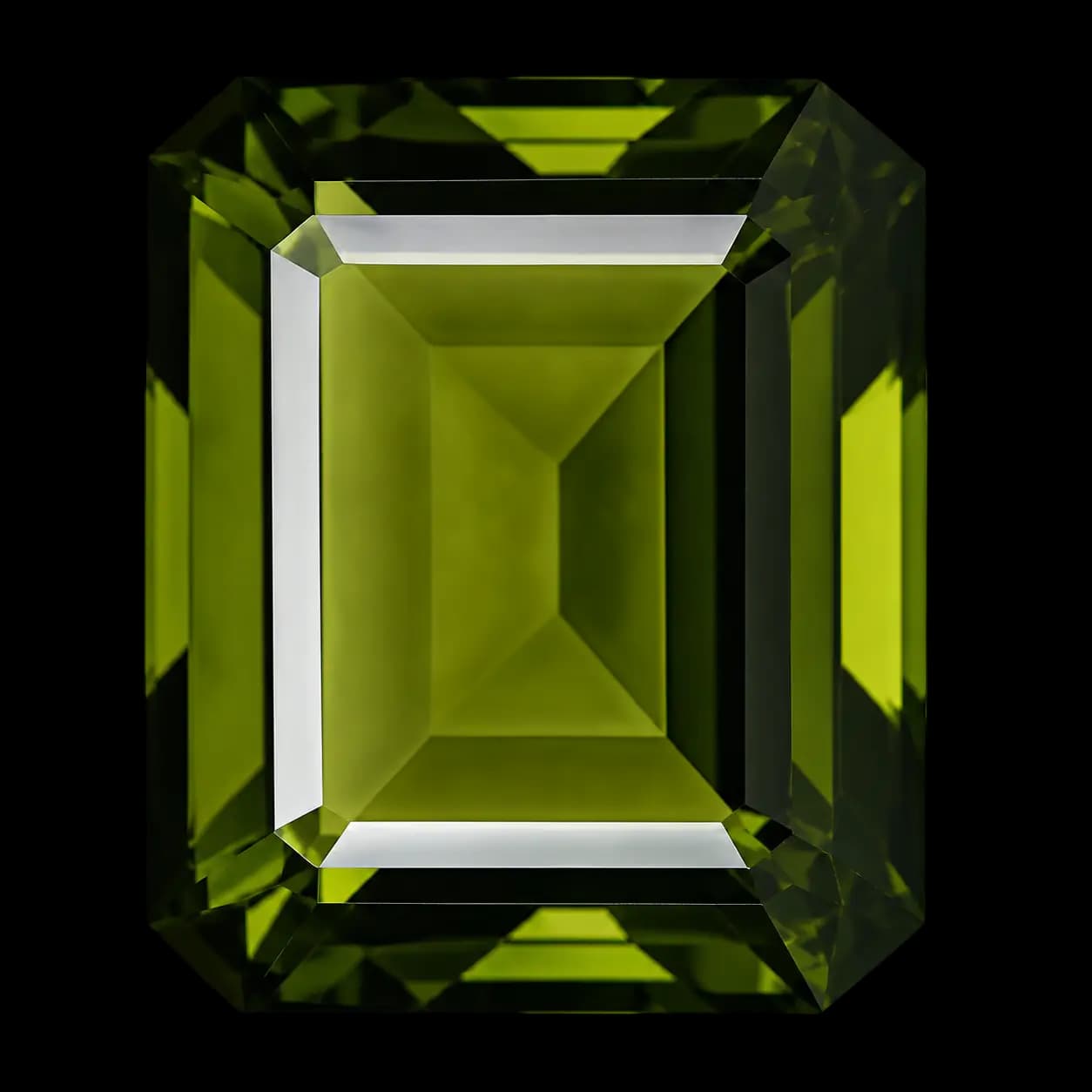
Moldavite
Moldavite is a rare natural green tektite formed by an ancient meteorite impact. Known for its unique texture, origin, and collectible appeal, it is treasured by gem enthusiasts worldwide.
Moldavite is a rare natural gemstone belonging to the tektite family. Unlike traditional minerals formed through geological crystallization, Moldavite was created approximately 15 million years ago during the impact event that formed the Ries crater in present-day Germany. The intense heat and pressure from this impact melted terrestrial rock and scattered molten glass-like material across parts of Central Europe.
Moldavite is an amorphous silica-rich material with a chemical composition primarily consisting of silicon dioxide (SiO2), along with aluminium oxide and other minor elements. It is valued for its unusual origin, natural textures, and connection to one of Earth's most fascinating geological events.
The gemstone is most commonly found in the Czech Republic, particularly in the Moldau River region, from which its name is derived. It can also occur in areas of Austria and Germany within the known strewn field.
Natural Moldavite displays a range of green shades, including deep forest green, olive green, bottle green, and green with brownish tones. Its surface often features distinctive sculpted textures, grooves, and natural patterns created during its formation.
Moldavite has a Mohs hardness of approximately 5.5, making it suitable for carefully designed jewelry pieces such as pendants, earrings, and collector pieces. It has a vitreous luster and a refractive index between 1.48 and 1.54. Since Moldavite is amorphous, it does not have a crystal structure or cleavage.
Moldavite has fascinated scientists, collectors, and jewelry enthusiasts for centuries because of its extraterrestrial connection. Archaeological discoveries suggest that Moldavite was used as a decorative material and tool during prehistoric periods. Today, fine specimens are highly sought after by mineral collectors and gemstone lovers.
Moldavite jewelry is appreciated for its distinctive appearance and rarity. Raw Moldavite pendants are especially popular because they preserve the gemstone’s natural texture, while polished and faceted pieces highlight its transparency and green color. It is commonly used in pendants, earrings, rings, and collector jewelry.
Buyers value Moldavite gemstone for its unusual formation story, limited availability, natural beauty, and status as one of the world's most recognizable tektites.
- Mineral Family
- Tektite
- Chemical Formula
- SiO2
- Mohs Hardness
- 5.5
- Refractive Index
- 1.48 - 1.54
- Specific Gravity
- 2.32 - 2.38
- Cleavage
- None
- Crystal System
- Amorphous
- Luster
- Vitreous
- Color Range
- Green
When choosing a natural Moldavite gemstone, buyers should consider several quality factors.
Color: High-quality Moldavite typically displays attractive medium to deep green shades. Olive green, forest green, and bottle green varieties are commonly appreciated. Extremely bright or unnaturally vivid green colors may indicate glass imitations.
Clarity: Natural Moldavite commonly contains internal features such as bubbles, flow structures, and natural textures created during formation. These characteristics are part of its identity and help distinguish genuine specimens from imitations.
Cut and Shape: Many collectors prefer Moldavite in its natural rough form because its surface textures and sculpted patterns are unique. Faceted Moldavite is less common and requires careful cutting due to its moderate hardness.
Carat Weight: Larger Moldavite specimens are increasingly rare, especially clean and well-formed pieces with attractive color and texture. Weight, shape, quality, and rarity all influence value.
Origin: The most recognized Moldavite deposits are located in the Czech Republic. Origin documentation can increase buyer confidence, especially for collectible specimens.
Treatments: Natural Moldavite is generally not treated. Buyers should be cautious of colored glass sold as Moldavite, as imitation material is common in the market.
Natural vs Lab-Grown: Authentic Moldavite is a natural impact glass and is not commercially produced as a laboratory-grown gemstone. Synthetic glass imitations may be sold as alternatives but do not have the same geological origin.
Certification and Authenticity: A reputable gemological certificate can help verify authenticity. Professional testing can examine characteristics such as refractive index, specific gravity, and internal features.
Price Factors: Moldavite prices depend on origin, weight, color, texture, transparency, shape, and rarity. Well-preserved specimens with distinctive natural patterns often command higher prices.
Moldavite should be handled carefully because its hardness is moderate compared with many traditional jewelry gemstones.
Clean Moldavite using warm water, mild soap, and a soft cloth. Avoid harsh chemicals, ultrasonic cleaners, steam cleaners, and abrasive materials that may damage the surface.
Store Moldavite jewelry separately from harder gemstones such as diamonds, sapphires, and rubies to prevent scratches. A soft pouch or lined jewelry box is recommended.
Moldavite jewelry is best suited for occasional wear, especially in rings that may experience frequent impacts. Pendants and earrings are generally safer choices for everyday use.
Avoid exposing Moldavite to sudden temperature changes or strong impacts to preserve its natural beauty.
Moldavite is a rare natural gemstone belonging to the tektite family. Unlike traditional minerals formed through geological crystallization, Moldavite was created approximately 15 million years ago during the impact event that formed the Ries crater in present-day Germany. The intense heat and pressure from this impact melted terrestrial rock and scattered molten glass-like material across parts of Central Europe.
Moldavite is an amorphous silica-rich material with a chemical composition primarily consisting of silicon dioxide (SiO2), along with aluminium oxide and other minor elements. It is valued for its unusual origin, natural textures, and connection to one of Earth's most fascinating geological events.
The gemstone is most commonly found in the Czech Republic, particularly in the Moldau River region, from which its name is derived. It can also occur in areas of Austria and Germany within the known strewn field.
Natural Moldavite displays a range of green shades, including deep forest green, olive green, bottle green, and green with brownish tones. Its surface often features distinctive sculpted textures, grooves, and natural patterns created during its formation.
Moldavite has a Mohs hardness of approximately 5.5, making it suitable for carefully designed jewelry pieces such as pendants, earrings, and collector pieces. It has a vitreous luster and a refractive index between 1.48 and 1.54. Since Moldavite is amorphous, it does not have a crystal structure or cleavage.
Moldavite has fascinated scientists, collectors, and jewelry enthusiasts for centuries because of its extraterrestrial connection. Archaeological discoveries suggest that Moldavite was used as a decorative material and tool during prehistoric periods. Today, fine specimens are highly sought after by mineral collectors and gemstone lovers.
Moldavite jewelry is appreciated for its distinctive appearance and rarity. Raw Moldavite pendants are especially popular because they preserve the gemstone’s natural texture, while polished and faceted pieces highlight its transparency and green color. It is commonly used in pendants, earrings, rings, and collector jewelry.
Buyers value Moldavite gemstone for its unusual formation story, limited availability, natural beauty, and status as one of the world's most recognizable tektites.
- Mineral Family
- Tektite
- Chemical Formula
- SiO2
- Mohs Hardness
- 5.5
- Refractive Index
- 1.48 - 1.54
- Specific Gravity
- 2.32 - 2.38
- Cleavage
- None
- Crystal System
- Amorphous
- Luster
- Vitreous
- Color Range
- Green
When choosing a natural Moldavite gemstone, buyers should consider several quality factors.
Color: High-quality Moldavite typically displays attractive medium to deep green shades. Olive green, forest green, and bottle green varieties are commonly appreciated. Extremely bright or unnaturally vivid green colors may indicate glass imitations.
Clarity: Natural Moldavite commonly contains internal features such as bubbles, flow structures, and natural textures created during formation. These characteristics are part of its identity and help distinguish genuine specimens from imitations.
Cut and Shape: Many collectors prefer Moldavite in its natural rough form because its surface textures and sculpted patterns are unique. Faceted Moldavite is less common and requires careful cutting due to its moderate hardness.
Carat Weight: Larger Moldavite specimens are increasingly rare, especially clean and well-formed pieces with attractive color and texture. Weight, shape, quality, and rarity all influence value.
Origin: The most recognized Moldavite deposits are located in the Czech Republic. Origin documentation can increase buyer confidence, especially for collectible specimens.
Treatments: Natural Moldavite is generally not treated. Buyers should be cautious of colored glass sold as Moldavite, as imitation material is common in the market.
Natural vs Lab-Grown: Authentic Moldavite is a natural impact glass and is not commercially produced as a laboratory-grown gemstone. Synthetic glass imitations may be sold as alternatives but do not have the same geological origin.
Certification and Authenticity: A reputable gemological certificate can help verify authenticity. Professional testing can examine characteristics such as refractive index, specific gravity, and internal features.
Price Factors: Moldavite prices depend on origin, weight, color, texture, transparency, shape, and rarity. Well-preserved specimens with distinctive natural patterns often command higher prices.
Moldavite should be handled carefully because its hardness is moderate compared with many traditional jewelry gemstones.
Clean Moldavite using warm water, mild soap, and a soft cloth. Avoid harsh chemicals, ultrasonic cleaners, steam cleaners, and abrasive materials that may damage the surface.
Store Moldavite jewelry separately from harder gemstones such as diamonds, sapphires, and rubies to prevent scratches. A soft pouch or lined jewelry box is recommended.
Moldavite jewelry is best suited for occasional wear, especially in rings that may experience frequent impacts. Pendants and earrings are generally safer choices for everyday use.
Avoid exposing Moldavite to sudden temperature changes or strong impacts to preserve its natural beauty.
Moldavite for Sale
No gems found
Try broadening your search or adjusting your filters.
Have a gem of your own? List it free - no fees