Lapis Lazuli
Lapis Lazuli is a captivating blue gemstone admired for its deep ultramarine color, golden pyrite accents, ancient heritage, and distinctive appeal in jewelry and collections.
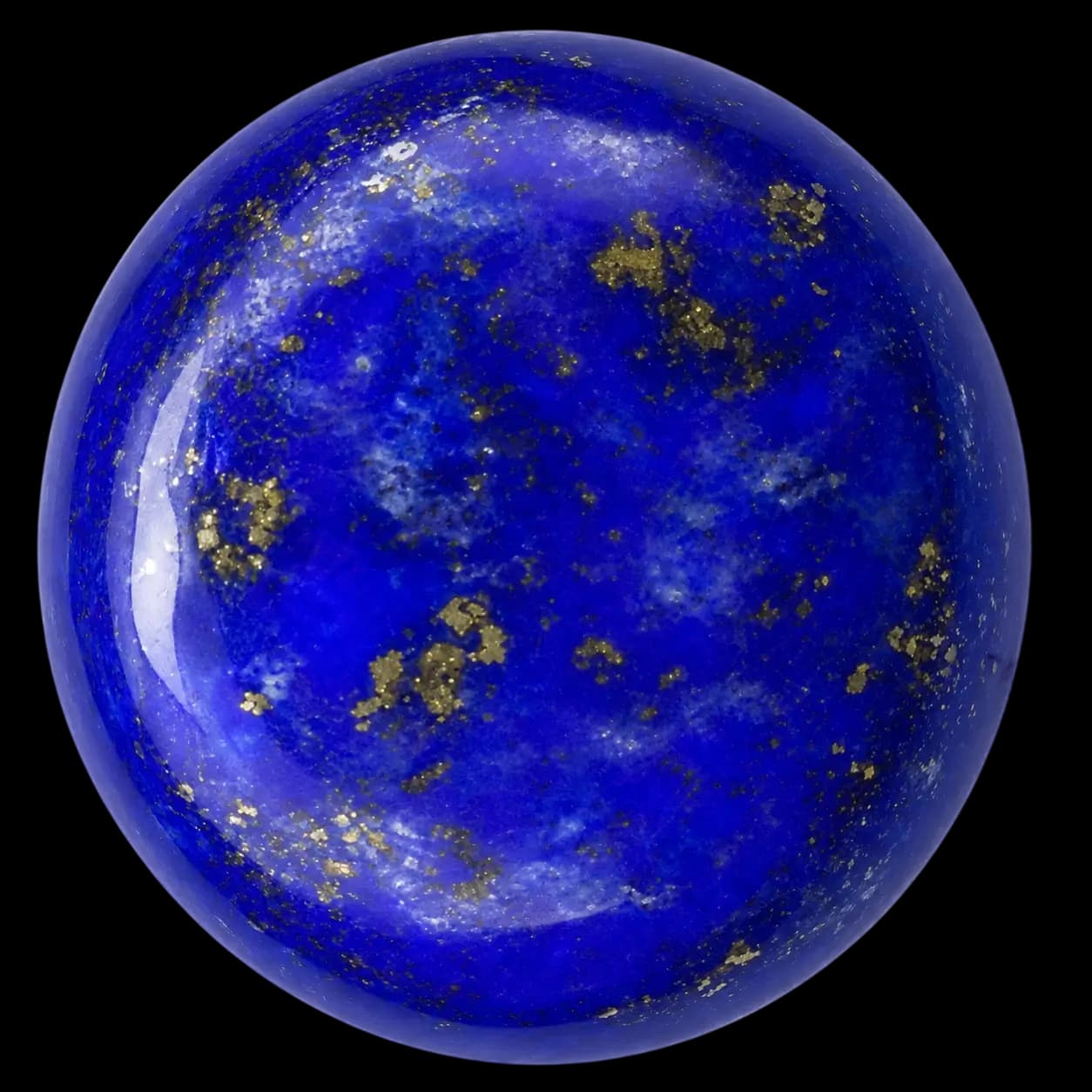
Lapis Lazuli is a striking opaque gemstone known for its intense blue color and unique natural patterns. Unlike traditional single-mineral gemstones, Lapis Lazuli is a rock composed of several minerals, with lazurite responsible for its famous blue appearance. It belongs to the sodalite group of minerals and is one of the oldest ornamental stones known to humanity.
Lapis Lazuli forms through metamorphic processes where limestone undergoes heat, pressure, and mineral alteration over millions of years. Its composition mainly includes lazurite, along with calcite, pyrite, and other minerals. The presence of pyrite creates the characteristic golden flecks that enhance its visual appeal, while calcite appears as white streaks or patches.
Lapis Lazuli has a Mohs hardness of approximately 5 to 5.5, making it suitable for jewelry pieces that receive moderate wear, such as pendants, earrings, and occasional-use rings. It has no cleavage and typically displays a dull to vitreous luster when polished.
The most desirable Lapis Lazuli displays a rich, even ultramarine blue color. Premium specimens usually have strong blue saturation with balanced golden pyrite inclusions and minimal white calcite. Variations may range from light blue to deep royal blue depending on mineral composition.
The finest natural Lapis Lazuli has historically come from the Badakhshan region of Afghanistan, where deposits have been mined for thousands of years. Other sources include Chile, Russia, Pakistan, and regions of Central Asia. Ancient civilizations used Lapis Lazuli for carvings, decorative objects, jewelry, and as a pigment known as ultramarine in fine artworks.
Today, Lapis Lazuli jewelry remains popular among designers and collectors because of its bold color and natural character. It is commonly fashioned into cabochons, beads, pendants, rings, bracelets, and artistic carvings. Buyers value Lapis Lazuli for its individuality, historical significance, and distinctive appearance.
- Mineral Family
- Lapis Lazuli
- Chemical Formula
- Na3Ca(Si3Al3)O12S
- Mohs Hardness
- 5 - 5.5
- Refractive Index
- 1.50 (approximately)
- Specific Gravity
- 2.7 - 2.9
- Cleavage
- None
- Crystal System
- Cubic
- Luster
- Vitreous
- Color Range
- Blue
When choosing a natural Lapis Lazuli gemstone, buyers should evaluate several factors that influence quality and price.
Color:Color is the most important factor when buying Lapis Lazuli. The most valued stones display a deep, vivid blue tone with good color consistency. Strong ultramarine shades with attractive natural pyrite details are generally preferred.
Clarity and Pattern: Since Lapis Lazuli is opaque, clarity is evaluated differently from transparent gemstones. Buyers look for balanced patterns, smooth surfaces, and attractive distribution of pyrite and calcite. Excessive white calcite patches may reduce value, while appealing golden pyrite accents can increase desirability.
Cut and Shape: Lapis Lazuli is commonly cut as cabochons, beads, and decorative carvings. A quality polish, smooth surface, and well-balanced shape enhance the stone's beauty. Artistic carvings made from fine material can also command premium prices.
Carat and Size: Unlike many transparent gemstones, Lapis Lazuli is often available in larger sizes. Price depends more on quality, color, and craftsmanship rather than carat weight alone.
Origin: Afghanistan is historically recognized as the source of some of the finest Lapis Lazuli specimens, especially those with intense blue color and attractive pyrite. Chile and other locations also produce commercially important material.
Treatments and Authenticity: Some Lapis Lazuli may be dyed, coated, or treated to enhance color. Buyers should ask whether the stone is natural and whether any treatments have been applied. A reputable seller should provide transparent information and authenticity documentation.
Natural vs Imitation: Natural Lapis Lazuli shows organic variations in color and mineral patterns. Synthetic materials, dyed stones, and imitations may appear overly uniform or artificial. Buying from trusted gemstone suppliers and requesting certification where appropriate helps ensure confidence.
Lapis Lazuli requires gentle care because of its moderate hardness and porous nature.
Cleaning: Clean Lapis Lazuli jewelry using a soft damp cloth and mild soap if necessary. Avoid ultrasonic cleaners, steam cleaning, and harsh chemicals, as they may damage the surface or affect treatments.
Storage: Store Lapis Lazuli separately from harder gemstones such as diamonds and sapphires to prevent scratches. A soft pouch or lined jewelry box is recommended.
Everyday Wear Advice: Lapis Lazuli jewelry is ideal for careful everyday use, especially earrings, pendants, and bracelets. Rings should be worn with extra care because they are more exposed to impacts and scratches.
Things to Avoid: Avoid prolonged exposure to perfumes, cosmetics, cleaning chemicals, and excessive moisture. Remove Lapis Lazuli jewelry before swimming, bathing, or household cleaning to preserve its natural beauty.
Lapis Lazuli is a striking opaque gemstone known for its intense blue color and unique natural patterns. Unlike traditional single-mineral gemstones, Lapis Lazuli is a rock composed of several minerals, with lazurite responsible for its famous blue appearance. It belongs to the sodalite group of minerals and is one of the oldest ornamental stones known to humanity.
Lapis Lazuli forms through metamorphic processes where limestone undergoes heat, pressure, and mineral alteration over millions of years. Its composition mainly includes lazurite, along with calcite, pyrite, and other minerals. The presence of pyrite creates the characteristic golden flecks that enhance its visual appeal, while calcite appears as white streaks or patches.
Lapis Lazuli has a Mohs hardness of approximately 5 to 5.5, making it suitable for jewelry pieces that receive moderate wear, such as pendants, earrings, and occasional-use rings. It has no cleavage and typically displays a dull to vitreous luster when polished.
The most desirable Lapis Lazuli displays a rich, even ultramarine blue color. Premium specimens usually have strong blue saturation with balanced golden pyrite inclusions and minimal white calcite. Variations may range from light blue to deep royal blue depending on mineral composition.
The finest natural Lapis Lazuli has historically come from the Badakhshan region of Afghanistan, where deposits have been mined for thousands of years. Other sources include Chile, Russia, Pakistan, and regions of Central Asia. Ancient civilizations used Lapis Lazuli for carvings, decorative objects, jewelry, and as a pigment known as ultramarine in fine artworks.
Today, Lapis Lazuli jewelry remains popular among designers and collectors because of its bold color and natural character. It is commonly fashioned into cabochons, beads, pendants, rings, bracelets, and artistic carvings. Buyers value Lapis Lazuli for its individuality, historical significance, and distinctive appearance.
- Mineral Family
- Lapis Lazuli
- Chemical Formula
- Na3Ca(Si3Al3)O12S
- Mohs Hardness
- 5 - 5.5
- Refractive Index
- 1.50 (approximately)
- Specific Gravity
- 2.7 - 2.9
- Cleavage
- None
- Crystal System
- Cubic
- Luster
- Vitreous
- Color Range
- Blue
When choosing a natural Lapis Lazuli gemstone, buyers should evaluate several factors that influence quality and price.
Color:Color is the most important factor when buying Lapis Lazuli. The most valued stones display a deep, vivid blue tone with good color consistency. Strong ultramarine shades with attractive natural pyrite details are generally preferred.
Clarity and Pattern: Since Lapis Lazuli is opaque, clarity is evaluated differently from transparent gemstones. Buyers look for balanced patterns, smooth surfaces, and attractive distribution of pyrite and calcite. Excessive white calcite patches may reduce value, while appealing golden pyrite accents can increase desirability.
Cut and Shape: Lapis Lazuli is commonly cut as cabochons, beads, and decorative carvings. A quality polish, smooth surface, and well-balanced shape enhance the stone's beauty. Artistic carvings made from fine material can also command premium prices.
Carat and Size: Unlike many transparent gemstones, Lapis Lazuli is often available in larger sizes. Price depends more on quality, color, and craftsmanship rather than carat weight alone.
Origin: Afghanistan is historically recognized as the source of some of the finest Lapis Lazuli specimens, especially those with intense blue color and attractive pyrite. Chile and other locations also produce commercially important material.
Treatments and Authenticity: Some Lapis Lazuli may be dyed, coated, or treated to enhance color. Buyers should ask whether the stone is natural and whether any treatments have been applied. A reputable seller should provide transparent information and authenticity documentation.
Natural vs Imitation: Natural Lapis Lazuli shows organic variations in color and mineral patterns. Synthetic materials, dyed stones, and imitations may appear overly uniform or artificial. Buying from trusted gemstone suppliers and requesting certification where appropriate helps ensure confidence.
Lapis Lazuli requires gentle care because of its moderate hardness and porous nature.
Cleaning: Clean Lapis Lazuli jewelry using a soft damp cloth and mild soap if necessary. Avoid ultrasonic cleaners, steam cleaning, and harsh chemicals, as they may damage the surface or affect treatments.
Storage: Store Lapis Lazuli separately from harder gemstones such as diamonds and sapphires to prevent scratches. A soft pouch or lined jewelry box is recommended.
Everyday Wear Advice: Lapis Lazuli jewelry is ideal for careful everyday use, especially earrings, pendants, and bracelets. Rings should be worn with extra care because they are more exposed to impacts and scratches.
Things to Avoid: Avoid prolonged exposure to perfumes, cosmetics, cleaning chemicals, and excessive moisture. Remove Lapis Lazuli jewelry before swimming, bathing, or household cleaning to preserve its natural beauty.
Lapis Lazuli for Sale
No gems found
Try broadening your search or adjusting your filters.
Have a gem of your own? List it free - no fees