Clinohumite
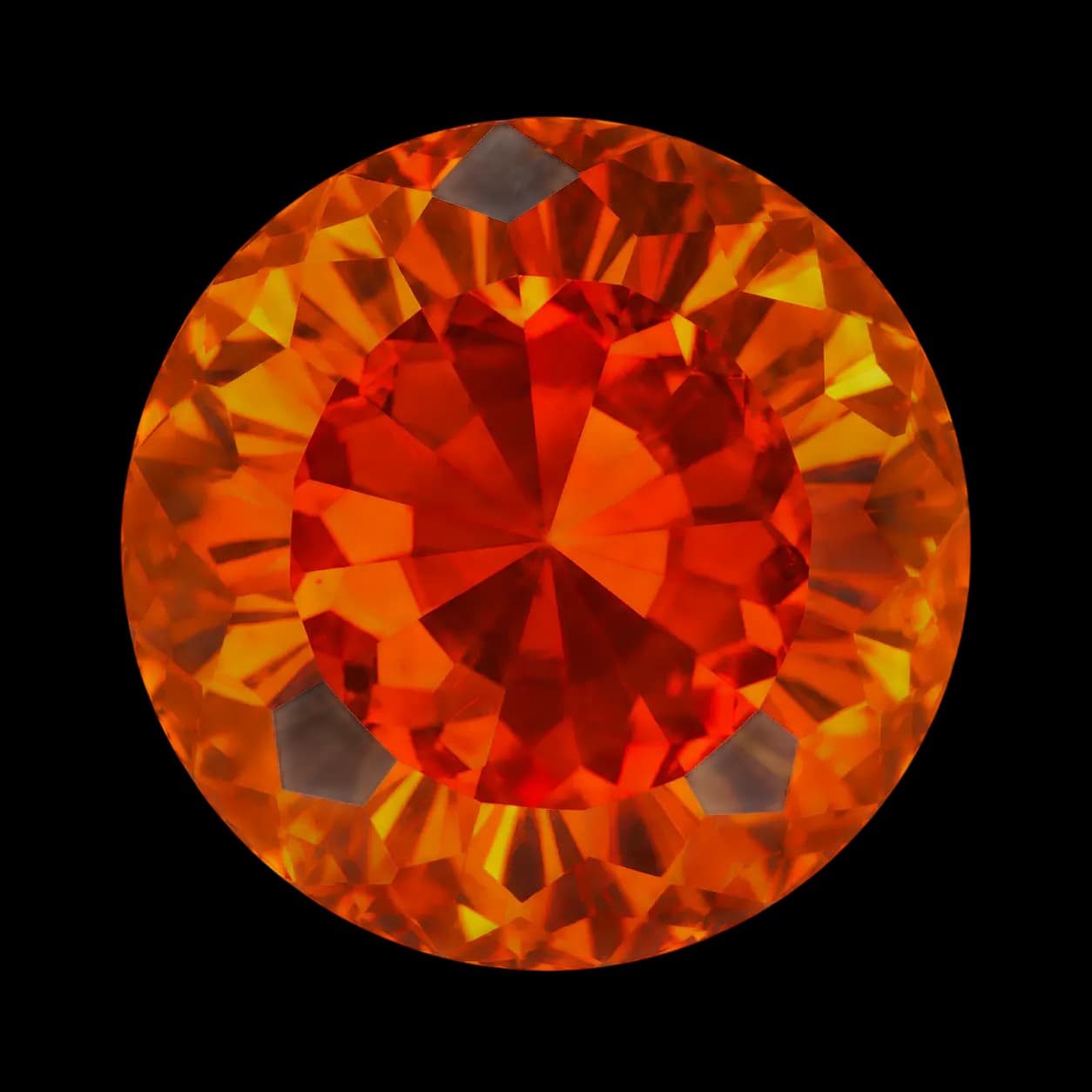
Clinohumite is a rare gemstone admired for its warm golden-orange colors, exceptional rarity, and collector appeal. Its unique beauty makes it a distinctive choice for fine jewelry.
Clinohumite is a rare gemstone from the humite mineral group, valued for its attractive golden, orange, yellow, and brown hues. It is a magnesium silicate mineral that forms under high-pressure geological conditions, often within metamorphic rocks associated with the Earth's mantle.
With the chemical composition Mg9(SiO4)4F2, Clinohumite is recognized for its vitreous luster, moderate hardness, and distinctive warm coloration. Gem-quality Clinohumite is uncommon, making fine specimens highly desirable among collectors and gemstone enthusiasts.
The most notable sources of gem-quality Clinohumite include the Pamir Mountains of Tajikistan, with additional occurrences reported in Russia, Myanmar, Tanzania, and other mineral-rich regions. Tajikistan is especially famous for producing transparent crystals with attractive golden-orange shades.
Clinohumite displays colors ranging from pale yellow and orange to deep honey, amber, and brown tones. The finest examples typically show strong saturation, good transparency, and an attractive cut that enhances their natural brilliance.
Historically, Clinohumite was primarily appreciated as a mineral specimen before becoming recognized as a collectible gemstone. Today, natural Clinohumite is used in rings, earrings, pendants, and collector jewelry pieces. Due to its rarity and distinctive appearance, it appeals to buyers looking for an unusual alternative to more common colored gemstones.
- Mineral Family
- Clinohumite
- Chemical Formula
- Mg9(SiO4)4F2
- Mohs Hardness
- 6 - 6.5
- Refractive Index
- 1.63 - 1.67
- Specific Gravity
- 3.15 - 3.35
- Cleavage
- Perfect in one direction
- Crystal System
- Monoclinic
- Luster
- Vitreous
- Color Range
- Orange, Yellow, Green
When buying Clinohumite gemstone, several factors influence quality, rarity, and price.
Color: Color is one of the most important value factors. Rich golden-orange, honey, and amber shades with strong saturation are generally preferred. Stones with attractive and evenly distributed color are especially desirable.
Clarity: Transparent Clinohumite specimens are rare. Eye-clean stones with good transparency are highly valued, while natural inclusions may occur due to the gemstone's geological formation.
Cut: A skilled cut can enhance Clinohumite’s warm tones and improve light reflection. Popular cuts include oval, cushion, round, and other shapes that maximize the gemstone's color and brilliance.
Carat: Larger Clinohumite crystals suitable for faceting are uncommon. As size increases, fine-quality stones become increasingly rare and valuable.
Origin: Origin can influence collector interest. Clinohumite from notable localities such as Tajikistan is often sought after because of its limited availability and attractive gem quality.
Treatments: Natural Clinohumite is generally valued in its untreated state. Buyers should always ask about any treatments or enhancements before purchase.
Natural vs Lab-Grown: Natural Clinohumite is rare, and commercially available stones are typically natural. Buyers should confirm authenticity through reliable gemstone testing.
Certification: A reputable gemological certificate can verify the gemstone identity, natural status, and any disclosed treatments. Certification provides confidence when purchasing valuable gemstones.
Price Factors: Clinohumite prices depend on color quality, transparency, size, origin, cut quality, and overall rarity. Exceptional specimens with strong color and clarity command premium prices.
Clinohumite jewelry should be handled with care due to its moderate hardness and perfect cleavage.
Clean Clinohumite using warm water, mild soap, and a soft brush. Avoid harsh chemicals, ultrasonic cleaners, and steam cleaning, as they may damage the gemstone.
Store Clinohumite jewelry separately from harder gemstones to prevent scratches. A soft jewelry pouch or lined box is recommended.
Although suitable for occasional jewelry wear, Clinohumite is best protected from strong impacts, sudden temperature changes, and rough daily activities. Rings and bracelets should receive extra care because they are more exposed to accidental knocks.
Clinohumite is a rare gemstone from the humite mineral group, valued for its attractive golden, orange, yellow, and brown hues. It is a magnesium silicate mineral that forms under high-pressure geological conditions, often within metamorphic rocks associated with the Earth's mantle.
With the chemical composition Mg9(SiO4)4F2, Clinohumite is recognized for its vitreous luster, moderate hardness, and distinctive warm coloration. Gem-quality Clinohumite is uncommon, making fine specimens highly desirable among collectors and gemstone enthusiasts.
The most notable sources of gem-quality Clinohumite include the Pamir Mountains of Tajikistan, with additional occurrences reported in Russia, Myanmar, Tanzania, and other mineral-rich regions. Tajikistan is especially famous for producing transparent crystals with attractive golden-orange shades.
Clinohumite displays colors ranging from pale yellow and orange to deep honey, amber, and brown tones. The finest examples typically show strong saturation, good transparency, and an attractive cut that enhances their natural brilliance.
Historically, Clinohumite was primarily appreciated as a mineral specimen before becoming recognized as a collectible gemstone. Today, natural Clinohumite is used in rings, earrings, pendants, and collector jewelry pieces. Due to its rarity and distinctive appearance, it appeals to buyers looking for an unusual alternative to more common colored gemstones.
- Mineral Family
- Clinohumite
- Chemical Formula
- Mg9(SiO4)4F2
- Mohs Hardness
- 6 - 6.5
- Refractive Index
- 1.63 - 1.67
- Specific Gravity
- 3.15 - 3.35
- Cleavage
- Perfect in one direction
- Crystal System
- Monoclinic
- Luster
- Vitreous
- Color Range
- Orange, Yellow, Green
When buying Clinohumite gemstone, several factors influence quality, rarity, and price.
Color: Color is one of the most important value factors. Rich golden-orange, honey, and amber shades with strong saturation are generally preferred. Stones with attractive and evenly distributed color are especially desirable.
Clarity: Transparent Clinohumite specimens are rare. Eye-clean stones with good transparency are highly valued, while natural inclusions may occur due to the gemstone's geological formation.
Cut: A skilled cut can enhance Clinohumite’s warm tones and improve light reflection. Popular cuts include oval, cushion, round, and other shapes that maximize the gemstone's color and brilliance.
Carat: Larger Clinohumite crystals suitable for faceting are uncommon. As size increases, fine-quality stones become increasingly rare and valuable.
Origin: Origin can influence collector interest. Clinohumite from notable localities such as Tajikistan is often sought after because of its limited availability and attractive gem quality.
Treatments: Natural Clinohumite is generally valued in its untreated state. Buyers should always ask about any treatments or enhancements before purchase.
Natural vs Lab-Grown: Natural Clinohumite is rare, and commercially available stones are typically natural. Buyers should confirm authenticity through reliable gemstone testing.
Certification: A reputable gemological certificate can verify the gemstone identity, natural status, and any disclosed treatments. Certification provides confidence when purchasing valuable gemstones.
Price Factors: Clinohumite prices depend on color quality, transparency, size, origin, cut quality, and overall rarity. Exceptional specimens with strong color and clarity command premium prices.
Clinohumite jewelry should be handled with care due to its moderate hardness and perfect cleavage.
Clean Clinohumite using warm water, mild soap, and a soft brush. Avoid harsh chemicals, ultrasonic cleaners, and steam cleaning, as they may damage the gemstone.
Store Clinohumite jewelry separately from harder gemstones to prevent scratches. A soft jewelry pouch or lined box is recommended.
Although suitable for occasional jewelry wear, Clinohumite is best protected from strong impacts, sudden temperature changes, and rough daily activities. Rings and bracelets should receive extra care because they are more exposed to accidental knocks.
Clinohumite for Sale
No gems found
Try broadening your search or adjusting your filters.
Have a gem of your own? List it free - no fees